Where to Find Iron in Minecraft: Practical Steps
Learn practical, step-by-step methods to locate iron ore in Minecraft, mine efficiently, and smelt ingots for tools, armor, and farming. This guide covers cave hunting, mining techniques, safety tips, and early-game crafting with iron.


To answer where find iron minecraft, according to Craft Guide, you’ll search underground caves and tunnel along stone layers to encounter iron ore veins. Start with a stone pickaxe, then smelt ore into iron ingots for tools and armor. Bring torches, eat to stay safe, and consider Fortune enchantment for more drops. Preparation and careful mining are key.
Understanding Iron Ore in Minecraft
Iron ore is a foundational resource in Minecraft, essential for durable tools, armor, and many redstone contraptions. If you're asking where find iron minecraft, the answer starts with understanding ore generation and the best early-game strategies. According to Craft Guide, iron ore tends to be found underground in stone layers and exposed caverns, often hiding in plain sight behind a wall of gray stone or deepslate. When you mine iron ore with a suitable pickaxe, you’ll obtain iron ore blocks that can be smelted into ingots. Craft Guide’s approach emphasizes steady, deliberate mining over sprinting through caverns. Look for natural tunnels that reveal ore-rich seams, listen for mobs in dark corridors, and carve safe paths with torches. Stay patient; patience pays off when you coax ore from stubborn rock. Throughout your journey, remember Craft Guide’s emphasis on safety and method over guesswork.
Prompted by Terrain: Spawning and Exposure
Iron ore blocks spawn in underground stone layers across most biomes, and exposed rock faces in caves often reveal rich seams. If you’re still wondering where find iron minecraft, you’ll improve your odds by following natural cave systems rather than blindly digging—these fissures expose ore while you travel. Always scout ahead, light your way, and keep a steady pace to avoid triggering mobs or falling into lava. The more caves you explore, the higher your chances of striking multiple iron veins in a single outing.
Early Game Focus: Preparation and Mindset
Before you start mining for iron, set a clear plan and gather essential supplies. Craft Guide recommends a calm, methodical approach: carry a sturdy pickaxe (stone or better), a stack of torches to illuminate tunnels, and enough food to sustain you through long expeditions. Consider bringing extra picks and a water bucket to deal with lava pockets. Your mindset matters as much as your gear: patience and careful lighting reduce danger and boost ore yields. And remember, the Craft Guide team emphasizes learning from each expedition to refine your next route.
A Practical Mining Plan: Efficient Iron Ore Hunting
A structured plan helps turn underground exploration into reliable iron gains. Start with a central tunnel and create short branch tunnels (spurs) every few blocks to maximize exposure of ore veins. Place torches regularly to keep mobs at bay and to map your path back. Keep your head above lava pools by placing blocks as you go and bookmarking safe exit routes. If you encounter multiple veins in a single branch, mine steadily to collect more ore per trip. After collecting ore, return to the surface to smelt it into ingots and craft essential iron gear. Craft Guide’s approach is to mine with intention, not recklessly, so you preserve your resources and health.
Smelting Iron and Using Iron in Early Game
Once you’ve gathered iron ore, smelt it in a furnace using coal or charcoal. Iron ingots are the currency of early progress, unlocking durable tools, buckets for water handling, and basic armor. In addition to tools, iron ingots enable you to create important items like an anvil for combining enchantments later on. Craft a basic iron pickaxe first; it dramatically speeds up future mining. Iron tools also boost your mobility and efficiency when traversing dangerous underground terrain. If you have access to a blast furnace in your world, use it to accelerate smelting times. The key is to convert ore into usable ingots and then upgrade your toolkit methodically.
Common Challenges and How to Overcome Them
Mining underground comes with risks: darkness invites mobs, lava pockets threaten your progress, and ore counts can feel sparse. A reliable tactic is to map your route with torches on the right-hand side as you progress, ensuring easy backtracking. If you encounter lava, block it off with cobblestone or use a water bucket to neutralize the hazard. Fortune enchantment, available in some versions, can increase ore drops, though it’s not guaranteed in all playstyles. Stay adaptable, switch to safer branches, and pace yourself to avoid fatigue.
Safety Tips and Common Mistakes
Avoid rushing through caverns; rushing leads to missteps and injuries. Always light your path, carry a water bucket to halt lava flows, and never mine blindly beneath you. A common mistake is ignoring inventory management; bring extra fuel, tools, and a crafting table so you can repair and produce as you go. Don’t neglect health, hunger, and daylight cycles—plan your return trips to avoid nighttime ambushes. Finally, practice sustainable mining: expose more ore with fewer digs by using branching strategies, and never neglect safety checks before mining in unknown tunnels.
Crafting with Iron: Tools and Armor Progressions
Iron ingots unlock a new tier of crafting options that steadily expand your capabilities. Start with iron tools—pickaxe, sword, and axe—for more efficient mining, combat, and resource collection. A bucket becomes invaluable for managing water in tunnels, while a shield offers extra protection in crowded caves. Upgrading to iron armor increases your survivability as you explore more dangerous regions. With iron gear, you’ll access deeper, richer cave networks and encounter higher-yield ore pockets. Plan your progression: prioritize tools first, then armor, and finally specialty items like an anvil for enchantment work.
Quick Recap: Test Yourself with Small Wins
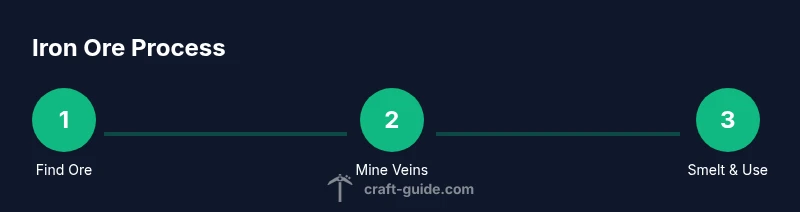
Small wins add up: find a cave, mine a vein, smelt the ore, craft essential gear, and repeat. As you gain experience, you’ll discover better routes and more efficient mining techniques. Remember that consistency and safety beat speed; take time to light, map, and return with a haul of iron ingots ready for upgrades.
Next Steps: A Simple Progression Path
- Prepare gear and plan a route. 2) Explore a cave or ravine and expose ore. 3) Mine iron ore with a sturdy pickaxe and light up your tunnels. 4) Smelt ore into ingots and craft iron gear. 5) Return with a larger, guaranteed stock of iron ingots for ongoing upgrades. By following this method, you’ll steadily improve your early-game arsenal and your ability to explore deeper caverns.
Tools & Materials
- Stone pickaxe (or better)(Essential for mining iron ore; upgrade to iron or diamond for faster results.)
- Torches(Bring 40–60 to light underground networks and prevent mob spawns.)
- Food(Keep hunger bar full to sustain you through long expeditions.)
- Extra pickaxe(Useful if your primary tool breaks during a run.)
- Water bucket(Helpful to turn lava into safe paths in mines.)
Steps
Estimated time: 45-70 minutes
- 1
Prepare gear and plan your route
Assemble a stone pickaxe (upgradeable), a stack of torches, food, and spare tools. Decide on a cave or ravine route and mark your map or coordinates for later return. Clear small debris to create safe corridors before you descend.
Tip: Always carry a spare pickaxe and a full stack of torches. - 2
Find a suitable starting point
Enter a cave system or explore a ravine where stone and ore are exposed. Avoid risky lava pools by scouting with a torch-lit perimeter and moving slowly to spot ore seams.
Tip: Place torches on the right-hand side to easily trace your path back. - 3
Begin branch mining for iron
Dig a central corridor and create short branches to reveal ore veins without excessive digging. This maximizes ore exposure while minimizing danger.
Tip: Keep the ceiling high enough to dodge falling gravel. - 4
Light up and secure your tunnels
Place torches every few blocks to prevent hostile mobs from spawning. Use a water bucket to manage nearby lava if you encounter it.
Tip: Backtrack frequently to avoid getting lost. - 5
Collect and return to the surface
Gather all iron ore veins you find, then head back to the surface before nightfall. Smelt ore in a furnace using coal or charcoal.
Tip: Carry a crafting table and furnace with you or build a small base near mined areas. - 6
Smelt iron ore into ingots
Place iron ore in the furnace with fuel to obtain iron ingots. Upgrade to a blast furnace later for faster smelting when available.
Tip: If you’ve unlocked a furnace upgrade, use it to speed up production. - 7
Upgrade gear with your ingots
Craft a new iron pickaxe, buckets, and armor pieces. This unlocks safer mining and more efficient resource gathering in future trips.
Tip: Prioritize the pickaxe, bucket, and basic armor first.
People Also Ask
What is the best place to look for iron ore in Minecraft?
Iron ore is most commonly found underground in cave systems and ravines. Focus on exposed stone sections in caverns for quicker results.
Iron ore is usually underground in caves and ravines; start by exploring exposed stone sections.
Does Fortune affect iron ore drops?
Fortune can increase ore drops for several ore blocks, including iron ore, depending on version. It can yield more iron ore per vein.
Fortune can increase iron drops, depending on version.
Can you find iron ore on the surface?
Surface iron is rare; most iron is obtained underground. Surface veins may exist in exposed cliffs but are not reliable.
Iron on the surface is rare; you’ll usually find it underground.
What’s the quickest way to start with iron in a new world?
Begin by locating a cave, mining iron ore with a stone pickaxe, then smelting in a furnace to obtain ingots. Use iron tools to speed up further mining.
Mine iron ore and smelt it to get iron ingots quickly.
What are the essential iron items to craft early?
Craft a new iron pickaxe, bucket, and armor pieces. These tools unlock faster mining, water handling, and protection against mobs.
Iron lets you craft better tools and protection early on.
Should I carry a furnace with me on mining trips?
Carrying a portable furnace helps you smelt ore on-site, reducing back-and-forth trips to your base.
A furnace on hand saves time during mining.
Watch Video
The Essentials
- Mine iron ore from underground stone layers in caves.
- Bring a sturdy pickaxe, torches, and food.
- Smelt ore into ingots for tools and armor.
- Light and map tunnels to stay safe and efficient.