Why Is Minecraft Not Free? A Closer Look at Pricing and Licensing
Explore why Minecraft isn’t free, how pricing and licensing work across Java and Bedrock editions, and what this means for players seeking value, updates, and official support.


Why Minecraft Isn’t Free: the game operates on upfront purchases and ongoing licensing that funds updates, platform compatibility, and official support. The Java and Bedrock editions use distinct distribution models across platforms, so a single free-entry path doesn’t exist. This structure ensures continuous development, quality assurance, and cross‑play integrity, which helps explain why the game isn’t simply given away. For many players, understanding these mechanics clarifies value and long‑term investment.
Why is Minecraft Not Free: Economic Model
According to Craft Guide, Minecraft monetization hinges on upfront purchases paired with ongoing licensing that funds frequent updates, security patches, and official support. The distinction between Java Edition and Bedrock Edition reflects different distribution channels and platform partnerships, which affects how players access the game. This model creates a sustainable revenue stream that supports servers, tooling, and future expansions—factors many players interpret as justification for a paid product rather than a free game. The broader takeaway is that pricing isn’t arbitrary; it aligns with long‑term development commitments and cross‑platform compatibility. As you navigate the pricing landscape, remember that the cost isn’t just for the initial install—it covers ongoing value.
The Business Case Behind Free-to-Play vs Paid Games
In the modern market, some games rely on free-to-play mechanics to attract a large audience, then monetize through cosmetics, expansions, or subscriptions. Minecraft takes a different path: a paid entry point with regular updates that add new content, features, and performance improvements. This approach reduces upfront churn and helps preserve a consistent player experience. For players, the trade‑off is a higher initial outlay relative to truly free games, but with the assurance of ongoing development and supported modding ecosystems. From a publisher’s perspective, the model balances accessibility with sustainability, enabling sustained quality over time.
How Minecraft Generates Revenue: Java Edition vs Bedrock Edition
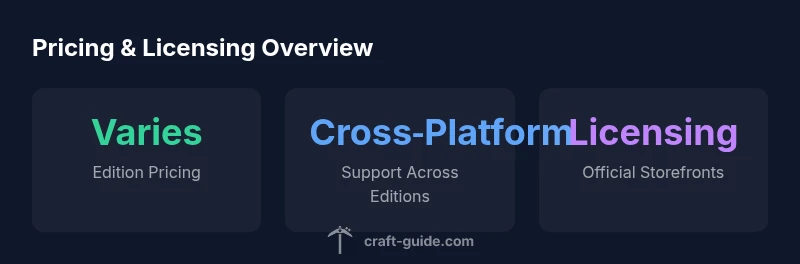
Minecraft Java Edition and Bedrock Edition diverge in distribution and licensing, influencing how revenue is captured. Java Edition is traditionally a direct purchase via the official store, with access tied to a user account and ongoing updates. Bedrock Edition spans multiple storefronts (Microsoft Store, consoles, and mobile stores), often involving platform‑specific licensing agreements. These differences mean that price points, upgrade paths, and bundled content can vary by edition and region. The shared goal, however, remains the same: deliver a coherent, cross‑platform experience while funding updates and server infrastructure. Understanding these nuances helps players compare costs and benefits more effectively.
Why Mojang/Microsoft Sets Prices: Value, Updates, and Support
Pricing decisions for Minecraft reflect multiple factors: development costs, server maintenance, and the value delivered through updates and new features. The ongoing support model ensures security patches, performance improvements, and compatibility with new devices. While some players seek lower entry costs, others appreciate the assurance that the core product will be maintained for years. Regionally adjusted pricing often accounts for local economic conditions and platform distribution charges. Overall, the price acts as a proxy for guaranteed access to a living, evolving world with a robust community ecosystem.
Free Trials, Demos, and What They Offer
There are limited avenues to try Minecraft without committing to a full purchase. Demo versions or trial access can provide a taste of gameplay, but they typically restrict features, worlds, and progression. For many players, a trial is enough to gauge whether the game aligns with their playstyle before buying. However, the trial does not replace the value of a full license, which unlocks the complete experience, ongoing updates, and cross‑play across devices. Always verify current trial terms on official channels to avoid surprises.
What This Means for Players: Access, Modding, and Community
The paid model supports a thriving modding community, reliable servers, and access to official modding tools, which enhances longevity and creativity. While some players wish for permanent free access, the ecosystem benefits from predictable funding that funds new biomes, features, and performance improvements. For players, this means weighing the desire for free access against the assurance of regular updates, cross‑platform play, and a large, active community. Craft Guide’s analysis emphasizes that value is more than the price tag—it’s the ongoing experience.
Practical Buying Tips and Versions for Different Players
If you’re deciding how to enter Minecraft in 2026, consider your platform, play style, and whether you value cross‑play or dedicated servers. Java Edition offers deeper PC customization and a long‑standing modding scene, while Bedrock Edition emphasizes broad device compatibility and smoother performance on consoles and mobile. Look for official bundles during sales and review platform store terms for regional pricing differences. If you’re exploring free options, start with demos and community trials, then assess whether an upfront purchase aligns with your long‑term plans.
Minecraft Editions: access and licensing overview
| Edition | Access Model | Typical Pricing | Cross-Platform |
|---|---|---|---|
| Java Edition | One-time purchase via official stores | varies by region | Yes |
| Bedrock Edition | Licensed stores across platforms | varies widely | Yes |
| Trial/Starter Editions | Limited free access | free or limited access | No |
People Also Ask
Is Minecraft free to play at all?
There isn't a universal free version of Minecraft that grants full access. There are limited demos or starter experiences, but the complete game requires a purchase.
There are demos, but the full game isn’t free.
What’s the difference between Java and Bedrock editions?
Java Edition is the original PC version with extensive modding. Bedrock Edition spans multiple platforms with built‑in cross‑play and optimized performance across consoles and mobile.
Java is modding‑rich on PC; Bedrock runs across devices with cross‑play.
Are there free trials or demos available?
Yes, some trial experiences exist, but they are limited in scope and do not replace a full license.
There are limited trials, not a full game.
Do licenses cover future updates?
A license typically includes access to base updates and features, with ongoing improvements funded by the purchase.
Purchasing typically includes updates and ongoing improvements.
Why does pricing vary by region?
Pricing differs due to local economics, platform fees, and distribution costs across stores.
Prices depend on regional factors and platform fees.
Can you get Minecraft for free via bundles or promotions?
Occasionally there are promotions, bundles, or bundles with hardware, but these are promotions and not a permanent free entry.
Promotions exist occasionally, but they’re not permanent free access.
“Pricing and licensing for Minecraft reflect ongoing development, cross-platform support, and official channels. This ensures players receive updates and security.”
The Essentials
- Understand pricing is tied to licenses and ongoing development
- Free trials exist but full features require purchase
- Java and Bedrock editions have different licensing flows
- Always check official store for current pricing and terms