Is Minecraft Too Expensive? A Practical Guide
Is Minecraft too expensive? This data-driven guide breaks down core costs, add-ons, and value across editions, helping players decide when to buy, wait for sales, or optimize their experience.


According to Craft Guide, whether Minecraft is “too expensive” depends on edition choice, playstyle, and willingness to invest in optional add-ons. The core game price is anchored by platform and region, while ongoing costs come from Marketplace content and hardware needs. The Craft Guide team suggests focusing on value over sticker price to determine affordability for your setup.
What counts as expensive in Minecraft?
For many players, the word expensive is less about a sticker price and more about total investment over time. Minecraft blends a one-time base purchase with optional, ongoing costs—especially if you pursue Marketplace content, skins, texture packs, or adventure maps. The perceived affordability hinges on how deeply you plan to engage with the game’s ecosystem: whether you’ll explore tutorials, join servers, or build large, community-driven projects. In practical terms, a player who sticks to the base game and free resources may find the experience affordable, while someone who routinely purchases add-ons and premium content could see costs accumulate. The core decision is: how much value do you derive from ongoing additions and community features?
Core costs: base game and editions
Minecraft’s core experience starts with a base purchase, but the exact price and availability depend on your platform and edition. Java Edition is favored by PC players and modding communities, while Bedrock Edition emphasizes cross‑platform play across consoles and mobile devices. Both editions share the same fundamental gameplay loop, but their pricing models, upgrade paths, and inclusion of future features can differ. When evaluating cost, consider not only the upfront price but region-specific storefronts, regional tax, and potential sales. The most economical path for many players is to start with the base game and expand later only if the added value justifies the expense.
Edition differences and price expectations
Edition differences matter for long-term value. Java Edition often appeals to builders and modders, offering broad compatibility with community-created content, while Bedrock emphasizes performance on lower-end hardware and cross‑play with friends on other platforms. Although both editions aim to deliver the same core experience, regional pricing, platform bundles, and store promotions can create noticeable differences. Buyers should compare bundle options (e.g., platform-specific bundles or family licenses) and read current storefront notes to gauge what you’re actually paying for—offline single-player features vs. ongoing online access and community-created content.
Optional add-ons: Marketplace, skins, and mods
A significant portion of perceived cost comes from optional add-ons. Marketplace content like skins, texture packs, seed maps, and adventure worlds can add to the total price, especially when purchased repeatedly for multiple devices or accounts. Mods and fan-made content, while often free, may require additional software or compatibility checks that impact your time and effort, not just money. It’s wise to scrutinize what you’ll actually use: a few high-value packs that fit your building style will typically yield better long-term value than a long list of low-impact items.
Time value and hardware costs
Beyond the game itself, hardware costs and time investment shape perceived value. If your device struggles to run the game smoothly, you may feel the price is higher due to performance issues or the need for upgrades. Conversely, Minecraft’s lightweight design makes it accessible on a broad range of devices, helping to keep total ownership costs reasonable for many players. When budgeting, factor in potential hardware improvements, especially if you aim to run resource-intensive mods or large-scale world-building projects.
Cost-per-hour: a practical metric
A pragmatic way to assess value is cost-per-hour. While you should not rely on a single number, you can estimate total ownership costs (base game plus add-ons you actually use) and divide by the hours you expect to play. This helps you compare Minecraft to other games and to decide whether the total package delivers commensurate enjoyment. Remember that hours spent on creativity, collaboration, and learning also count toward value—especially in a game that rewards imagination.
Budget strategies: sales, bundles, and free resources
To minimize sticker shock, watch for seasonal sales across platforms and consider bundles that include multiple add-ons at a discount. Look for free, high-quality community resources—maps, tutorials, and texture packs—that align with your style. Additionally, use free trial periods or starter worlds to gauge your interest before committing to paid content. Creating a personal budget for DLCs and mods can prevent surprise expenses after you fall in love with the game’s possibilities.
Player profiles: casual builder vs power modder
Different play styles drive different value calculations. Casual builders may gain more satisfaction from a handful of well-chosen texture packs and maps, while power modders might justify a larger upfront and ongoing investment for premium mods, server access, and extended tutorials. Understanding your goals helps you tailor purchases to what matters most—at the right times and in the right quantities—reducing waste and maximizing return on investment.
Real-world cost considerations by platform
Platform ecosystem shapes the purchasing experience. Console stores may bundle Minecraft with other services, while PC stores often offer discounts and free updates that affect total ownership cost. Mobile versions, while inexpensive upfront, may constrain access to certain content or features available elsewhere. When planning purchases, compare what each platform includes at each price point and consider cross‑platform compatibility, account ownership, and future upgrade paths to avoid paying more than necessary.
Is now the right time to buy? a decision framework
If you’re unsure about timing, use a simple framework: define your primary goals (creativity, exploration, or multiplayer), estimate how much you’ll engage with add-ons, and check current sales. If a sale aligns with your goals and reduces the price of content you’ll actually use, it’s often worth buying. If not, wait for a future sale or start with the base game and expand later. This approach keeps your budget aligned with your actual playtime and ambitions.
Minecraft edition pricing overview
| Aspect | Key Insight | What to watch |
|---|---|---|
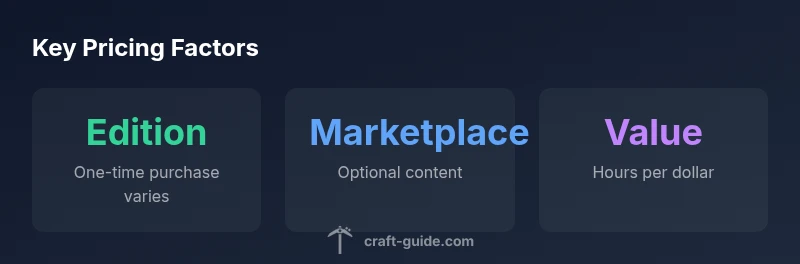
| Edition pricing | One-time purchase; price varies by edition and region | Check official stores for latest prices |
| Add-ons marketplace | Skins, texture packs, and maps can add ongoing costs | Budget for optional content |
| Hardware and performance | Game runs on a wide range of hardware | Consider your PC or console specs |
People Also Ask
Is Java Edition more expensive than Bedrock?
Prices are influenced by platform and region; both editions offer similar core gameplay but differ in store promotions, cross‑play, and add-ons. Compare current storefronts to determine the best value for your setup.
Java and Bedrock have similar base value, but prices vary by platform; check current stores for the best deal.
Do I need to buy Minecraft every year?
No. Owning the game typically covers lifetime access to updates within that edition. You may buy new editions or bundles if you want expanded features or cross‑platform content.
You don’t need to repurchase yearly; updates are usually included within your edition.
What costs most after the base game?
Marketplace content like skins, textures, and maps often drives ongoing costs. Mods and community content can add value but may require extra setup and compatibility checks.
Marketplace content and mods are the main ongoing expenses after the base game.
Are there discounts or bundles to watch for?
Sales events and platform bundles frequently reduce upfront costs. Look for multi-item bundles that match your play style and consider waiting for promotions if you’re not in a hurry.
Yes—watch for sales and bundles to save on Minecraft content.
Can I play Minecraft on a budget?
Absolutely. Start with the base game, use free community resources, and selectively purchase only the add-ons you’ll use. This keeps costs predictable while still delivering a rich experience.
Yes—start small, use free resources, buy only what you’ll use.
“Pricing Minecraft is about balancing upfront cost with ongoing value. The total experience—creativity, community, and learning—defines whether it pays off.”
The Essentials
- Evaluate base cost first, then add-ons.
- Apply cost-per-hour to measure value.
- Watch for platform sales and bundles.
- Consider free resources to maximize value.
- Budget across editions and add-ons to avoid sticker shock.