How to Make XP Farm Minecraft: A Practical Guide
Learn how to make xp farm minecraft with a beginner-friendly mob grinder and furnace setup. This Craft Guide tutorial covers material lists, step-by-step builds, efficiency tips, safety reminders, and maintenance for steady XP gains.


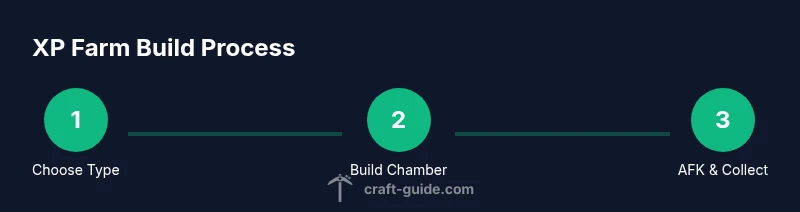
You're about to learn how to make xp farm minecraft that delivers steady experience. This quick guide covers a practical, beginner-friendly setup and the essential materials, then outlines the core steps: choose a farm type, gather resources, build the mob chamber and collection system, and keep the setup AFK-safe for reliable XP. Follow these steps for reliable XP gains.
Understanding XP farms in Minecraft
XP farms are designs that maximize how efficiently you gain experience by organizing mob spawns, drops, or furnace processing. If you're curious how to make xp farm minecraft, this guide lays out practical, beginner-friendly options and clear design principles. The core idea is to create a controlled spawning area or an efficient processing loop where mobs drop XP or items that can be converted into XP. The Craft Guide team emphasizes simplicity and reliability, focusing on builds you can complete in a weekend and expand later as you gain experience. Understanding spawn mechanics, lighting, and path design helps you predict XP yields without needing specialized equipment.
Types of XP farms you can build
There are several common approaches to XP farming, each with trade-offs in size, complexity, and XP output. Mob-spawner farms leverage dungeon spawners or naturally occurring spawns to generate consistent XP. Furnace (smelting) based farms convert ore or ingested items into XP through smelting, offering compact layouts but different resource costs. Water-flow mob grinders use timing and drops to bring mobs to a central collection point and maximize XP per hour. The best option for your world depends on your version, resources, and whether you prefer passive AFK farming or active grinding. Craft Guide analysis shows that mob-spawner farms typically deliver steadier XP in vanilla gameplay, while furnace farms excel in compact builds.
Planning your design around version and biome
Minecraft versions evolve, and XP farming mechanics can shift with updates. Before you start, decide whether you want a dungeon-spawner based design, a surface-spawn grinder, or a furnace-driven loop. Consider biome spawn rates, available blocks, and your tolerance for building height. In some versions, light levels and water flow behave differently, so plan a test build in a safe area to confirm your flow works as expected. Craft Guide recommends keeping a simple, modular layout so you can upgrade sections later without rebuilding the entire farm.
Materials and resources you’ll need
A functional XP farm relies on sturdy construction, safe mob routing, and efficient XP collection. Gather blocks for the chamber walls, transparent panes for visibility, water buckets to transport mobs, fences and signs to control flow, and chests/hoppers for item management. If you’re including a furnace-based loop, stock furnaces, fuel (coal or charcoal), and fuel-compatible inputs. A basic starter kit can be assembled quickly, then expanded into a larger farm as you gain accuracy in mob spawns and XP timing.
Common pitfalls and how to avoid them
Low XP yields often come from poorly lit areas, accidental blocking of spawns, or leaks in the collection system. Double-check lighting around the spawn zone and ensure the chamber maintains dark conditions where needed. Avoid accidental water or lava flows that interrupt mob routing. Always test for bottlenecks by observing spawn rates, collection speed, and XP output over a few minutes, then iterate. Craft Guide highlights that small, deliberate tests prevent large rebuilds later in your project.
How to evaluate XP farm efficiency
Measuring efficiency helps you decide when to scale up or refactor. Track XP per hour and compare it against your current materials and maintenance time. Take notes on spawn rates, drop rates, and any downtime caused by mobs pathing incorrectly. Efficiency improves with optimized drop paths, reduced mob backtracking, and streamlined AFK zones. Craft Guide’s approach is to quantify with simple, repeatable checks so you can reliably decide when to expand or upgrade.
Quick-start blueprint for a beginner mob-spawner XP farm
A straightforward mob-spawner XP farm uses a dungeon or surface spawner with a compact chamber and an AFK platform. It funnels mobs into a central kill chamber or smelting loop, using water flows and signs to direct movement. This design prioritizes simplicity, making it ideal for new players while still offering solid XP returns. You’ll build the core from a few practical blocks, then grow it later as you master spawner behavior and spawn rates. Craft Guide has found that starting with a dungeon-spawner approach provides predictable yields and a stable evolution path.
Safety, maintenance, and long-term upkeep
Remember safety first: avoid mob spawns in unauthorized areas, keep the AFK zone away from your base, and ensure water currents don’t push mobs into dangerous zones. Maintain blocks and lighting to prevent unintended spawns outside the farm. Schedule periodic checks to replace damaged blocks, clear clogs in the collection system, and verify XP output remains steady after game updates. A well-maintained farm stays efficient and enjoyable over months of play.
Tools & Materials
- Stone bricks or cobblestone(For building the main chamber and tunnel walls)
- Glass panes(Visibility for monitoring mobs and flow)
- Water buckets(Create flow paths and elevator for mobs)
- Ladders or scaffolding(Access elevated areas during build)
- Signs and/or trapdoors(Control water flow and block placement)
- Chests(Storage for items before processing)
- Hoppers (optional)(Direct drops to collection or furnaces)
- Furnaces (optional if furnace-based)(Smelting XP path if using furnace loop)
- Coal or charcoal(Fuel for furnaces if used)
- Building materials (wood/stone)(Frame works and AFK platform)
Steps
Estimated time: 30-60 minutes to build (not including testing/expansion)
- 1
Choose XP farm type
Decide between a mob-spawner grinder and a furnace-based loop. Consider your world size, version, and how hands-on you want to be. This choice shapes your layout, block count, and maintenance load.
Tip: Select a type you can comfortably build in your current world and scale later. - 2
Gather essential materials
Collect blocks for walls, glass for visibility, water buckets, signs, and chests. If you plan a furnace loop, bring furnaces and fuel. Organize all items in a central staging area before starting.
Tip: Prepare a single crate or chest setup to avoid back-and-forth trips. - 3
Build the spawning chamber
Construct a dark, enclosed space with a clear path to the trap or grinder. Use glass to monitor mob flow and ensure the chamber doesn’t expose mobs to unwanted lighting.
Tip: Keep the spawn surface compact to maximize spawn density without overflow. - 4
Create the collection and drop system
Install water channels or lava lifts as appropriate and direct mobs toward your kill/processing zone. Place chests and optionally hoppers to collect drops and feed furnaces.
Tip: Test water flow first, then adjust drop height for optimal XP timing. - 5
Set up AFK and safety features
Position your AFK platform where you stay in loaded chunks but safe from hostile mobs. Include lighting to prevent stray spawns outside the farm and ensure you have a clear exit path.
Tip: AFK in a stable, well-lit location to maintain consistent XP gains. - 6
Test, optimize, and expand
Run the farm for several minutes to measure XP per hour, then look for bottlenecks in spawns or flow. Expand by adding more spawn areas or upgrading to a furnace loop if you started with mobs.
Tip: Keep a log of XP output before and after changes to quantify improvements.
People Also Ask
What is XP used for in Minecraft?
XP is used to enchant items and repair gear, which strengthens weapons, armor, and tools. It also unlocks higher-tier enchantments as you level up and approach new milestones.
XP is used to enchant items and repair gear, which strengthens your tools and armor. You’ll unlock better enchantments as you level up.
Can I build this in survival mode?
Yes. The basic mob-spawner and furnace-based farms work in survival mode. Start with a simple, small design, gather materials, and gradually expand as you gain experience and storage capacity.
Yes, you can build this in survival mode. Start small and expand as you gain experience.
Will XP farms work in newer Minecraft versions?
Most XP farm concepts remain viable across versions, but some mechanics change (spawn rules, block behavior, furnace XP timing). Always test your design after a game update and adjust accordingly.
XP farms mostly work across versions, but updates can change mechanics. Test after updates and tweak as needed.
Do XP farms affect mob drops or game balance?
XP farms primarily affect experience gain. Drops are determined by the mob type and tools, not the XP farm itself. Some setups optimize XP collection without altering item drops.
XP farms mainly affect experience; item drops depend on mobs and tools, not the XP farm design.
Is it possible to make an AFK XP farm without a spawner?
Yes, furnace-based or water-flow grinders can be built without relying on a spawner, though spawner farms often yield more predictable XP. Start simple and evolve toward a design you enjoy.
You can build XP farms without a spawner, but spawner farms are usually more predictable. Start simple and upgrade later.
Watch Video
The Essentials
- Identify a scalable XP farm type that fits your world.
- Gather materials before starting to avoid mid-build delays.
- Build a focused spawn chamber with a reliable collection path.
- Test early, then expand and optimize for long-term use.