Strength Potion Minecraft: A Practical Brewing Guide
Master Strength Potions in Minecraft—from brewing basics to Strength II upgrades, duration extensions, and useful combat applications. Learn efficient farming of ingredients, timing, splash variants, and common brewing issues for PvE and PvP.


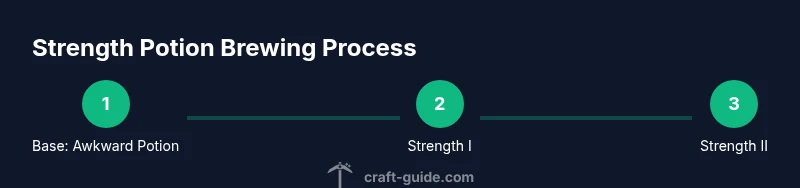
This guide defines the core idea of strength potions in Minecraft and outlines the essential steps to brew, upgrade, and use them effectively. You’ll start with water bottles and Nether Wart to create an Awkward Potion, then add Blaze Powder to obtain Strength I, upgrade to Strength II with Glowstone Dust, and optionally extend duration with Redstone or create splash pots with Gunpowder.
What Strength Potions Do in Minecraft
Strength potions are a versatile tool in Minecraft that temporarily increases your melee damage output. They are especially valuable during long exploration trips, boss fights, and coordinated group activities where consistently higher damage can turn the tide. The basic effect comes from Potion of Strength, and you can fine-tune it for different situations by upgrading to Strength II or converting your potions into splash versions for quick, on-the-move use. Understanding when to deploy Strength I versus Strength II, and whether to extend duration or switch to splash options, gives you a tactical edge without wasting resources.
From a gameplay perspective, strength potions pair well with other buffs and armor upgrades. For example, using a Strength potion in combination with a health boost or enhanced critical-hit timing can amplify your overall combat effectiveness. In addition, strength potions aren’t just for combat—explorers and builders can leverage boosted damage to clear space, break through barriers quickly, or defend a base during hostile incursions. Crafting and maintaining a steady supply of these potions is a practical skill for players who want reliable results without heavy investment each session.
As you plan your brewing sessions, keep in mind the environmental and resource context. Nether Wart is the foundational ingredient and Nether Wart farming becomes a common early-game activity to ensure a ready supply of Awkward Potions. Blaze Powder is used to fuel the brewing stand and to convert Awkward Potions into Strength potions. Glowstone Dust elevates potency, Redstone Dust extends duration, and Gunpowder creates splash variants for teammates or friendly mobs. This flexibility makes Strength Potions one of the most versatile potions in your Minecraft toolkit.
Crafting potions also teaches important resource-management habits. Collecting the required items often means establishing a steady Nether Wart farm, gathering Blaze Powder by burning Blaze rods, and prioritizing convenient storage for a growing potion stockpile. By planning your farm setups and brewing sessions, you’ll enjoy dependable results during intense play sessions, rather than chasing ingredients mid-battle. Craft Guide’s approach emphasizes repeatable, reliable techniques you can apply across many play styles.
In short, Strength Potions are a practical, high-value tool for any Minecraft player who wants more reliable melee performance. With a solid brewing routine, you can maximize your uptime in combat, reinforce your team’s efforts in co-op play, and approach daunting encounters with confidence. This guide focuses on making that routine accessible, repeatable, and easy to scale with your world progress.
Tools & Materials
- Water Bottle(Fillable glass bottle; essential for base potions.)
- Nether Wart(The base ingredient to create Awkward Potions.)
- Blaze Powder(Fuel for the Brewing Stand; also used to convert Awkward into Strength potions.)
- Glowstone Dust(Upgrades Strength I to Strength II; optional for higher potency.)
- Redstone Dust(Extends potion duration; optional but highly useful.)
- Gunpowder(Used to turn potions into Splash Potions for quick usage.)
- Dragon's Breath(Optional for Lingering Potions in some editions; not needed for basic Strength.)
Steps
Estimated time: 15-25 minutes
- 1
Prepare the brewing setup
Place your Brewing Stand in a convenient location with ample space. Gather water bottles, Nether Wart, Blaze Powder for fuel, and your chosen modifiers (Glowstone Dust, Redstone Dust, Gunpowder) at hand. This setup minimizes back-and-forth trips during brewing and helps you maintain focus on timing and order.
Tip: Keep raw materials organized by category (base ingredients, fuel, enhancements) to speed up the process. - 2
Fill water bottles and apply Nether Wart
Fill water bottles with water and place them in the lower three slots of the Brewing Stand. Add Nether Wart to the top slot to create Awkward Potions. Awkward Potions are the universal base for most modifiers, including Strength.
Tip: Nether Wart is the sole starter for most potions; don’t skip this step or you’ll miss the essential base. - 3
Brew Strength I using Blaze Powder
With Awkward Potions ready, add Blaze Powder to brew Potion of Strength I. This step converts the base into the Strength category, granting the core effect you’ll upgrade later.
Tip: Blaze Powder fuels the process; ensure you have enough to avoid half-brewed waists of time. - 4
Upgrade to Strength II (optional)
If you want stronger potency, add Glowstone Dust to the Strength I potions to obtain Strength II. This increases the effect’s intensity. Glowstone Dust is the primary upgrade for higher potency.
Tip: Glowstone Dust is optional but valuable for tougher encounters; use it when you expect high-intensity combat. - 5
Extend duration (optional)
To make your potion last longer, add Redstone Dust. This increases the duration, making the potion useful for longer fights or extended explorations.
Tip: Use Redstone when you anticipate long engagements or adventures where you can’t re-brew on the fly. - 6
Prepare splash potions (optional)
If you want quick, on-the-move usage, convert a potion into a Splash Potion by adding Gunpowder to the bottle after brewing. Splash versions can be used on yourself or teammates in combat.
Tip: Splash potions enable rapid support; ensure your team understands when to deploy them. - 7
Optional Lingering variants
If you have access to Dragon’s Breath in your edition, you can craft Lingering Potions for broader area effects. This is more advanced and not required for basic Strength usage.
Tip: Lingering variants add area effect but require additional resources and planning.
People Also Ask
What is the best way to brew Strength potions for early game?
In early game, focus on building a reliable workflow: start with water bottles and Nether Wart to create Awkward Potions, then convert to Strength I using Blaze Powder. Save Glowstone Dust for late-game upgrades, and use Redstone to extend duration as you accumulate resources.
Start with Awkward Potions and upgrade to Strength I; add Glowstone Dust later for Strength II as you gain materials.
Can Strength II be more useful than Strength I in PvP?
Strength II offers a stronger buff, which can be decisive in PvP scenarios. Use it for key combat moments and coordinate with teammates for maximum impact. If resources are limited, Strength I is a reliable baseline.
Yes, Strength II can be more impactful in PvP when you have the extra potency.
How do I extend the duration of Strength potions?
Add Redstone Dust to Strength potions to increase their duration. This is especially useful for long fights or exploration where re-brewing isn’t convenient.
Add Redstone to extend how long the buff lasts.
What’s the difference between a Potion and a Splash Potion?
A Potion is consumed by the drinker, while a Splash Potion can be thrown to affect others. Splash versions are created by adding Gunpowder to the brewed potion. This is handy for supporting teammates.
Splash potions let you buff others, not just yourself.
Do recipe changes affect Strength potions across versions?
Brewing mechanics can vary between Minecraft versions. The core method—Nether Wart base, Blaze Powder fuel, and potency/duration modifiers—remains consistent, but item availability and exact durations may differ. Check the current game version’s notes for specifics.
Brewing rules stay similar, but always verify version-specific changes.
Are there safety warnings when using brewing stands around lava or fire?
Always place brewing stations away from open flames and flammable blocks. Blaze rods and powder are combustible near heat sources, and spills can damage nearby items. Keep a clean workspace to prevent accidents.
Be careful with flames and brewing fuels in your setup.
Watch Video
The Essentials
- Brew Awkward Potions as the base for Strength options
- Upgrade potency with Glowstone Dust for Strength II
- Extend duration with Redstone Dust for longer fights
- Splash versions let you buff teammates quickly in combat
- Practicing a repeatable brewing flow improves consistency