Shelving Minecraft: A Practical Guide to Building Shelves for Storage and Style
Learn practical shelving techniques in Minecraft to organize chests, display items with frames, and design modular shelves. A Craft Guide tutorial with step-by-step builds, material options, and placement tips.


According to Craft Guide, shelving minecraft isn’t just about looks; it improves inventory handling and base cohesion. Start with simple wooden shelves and evolve to modular layouts using slabs, fences, and item frames. Shelving minecraft blends practicality with aesthetics, boosting organization and ambiance in your builds.
Why shelving minecraft matters for organization and aesthetics
According to Craft Guide, shelving minecraft goes beyond decorative flair. Well-placed shelves turn cluttered chests into a readable, navigable inventory system, which saves time during resource collection and exploration. When your base uses visible storage, you can quickly locate essentials like pickaxes, torches, and food, reducing downtime between mining runs. Shelves also offer an opportunity to convey your world’s character—ranch-meets-minimalist, rustic cabin, or sleek modern fortress—by choosing materials, colors, and shelf heights that fit the build’s theme. In survival or creative modes, a thoughtful shelving layout helps you plan space efficiently, create focal points, and support later expansions. This guide emphasizes practical shelving minecraft techniques you can apply in any world, from tiny starter huts to sprawling sky-bases.
Design principles for shelves in Minecraft
Good shelves start with a clear plan. In shelving minecraft, establish a consistent height grid so items are always reachable without climbing. Choose a material palette that matches your room’s vibe—oak for cozy builds, spruce for darker tones, or stone for industrial looks. Plan for modularity: shelves that can be extended horizontally or stacked vertically save space as your stash grows. Leave enough headroom so you can access frames and chests without crowding adjacent blocks. Accessibility is key: place frequently used items at eye level and reserve lower shelves for bulky containers. Finally, balance form and function by considering lighting. Subtle glowstone or lanterns behind glass panels can illuminate shelves without creating harsh shadows at night.
Choosing materials: wood, stone, and mixed options
Materials define both the aesthetic and practicality of shelving minecraft. Wood planks offer warmth and ease of use, making them ideal for early-game builds. Slabs allow multi-tier shelves without consuming extra vertical space, while fences provide a slim lip to keep items from slipping. Stone variants yield a cooler, industrial feel that suits basements or laboratories. Mixing materials can create visual interest—combine oak shelves with stone supports for contrast, or use glass panes as a display window on higher tiers. Consider how lighting interacts with different textures; darker blocks may require more light to keep inventories visible. The goal is readable shelves where items like cobblestone, iron, and food are both accessible and displayed with intentional style.
Open shelves vs enclosed shelves: advantages and use-cases
Open shelves maximize visibility and accessibility; they’re ideal for frequently used tools and weapons. Enclosed shelves—created with trapdoors or glass doors—offer a cleaner, uncluttered look and can hide less-used materials. Shelving minecraft often benefits from a hybrid approach: open tiers for items you want on display, and enclosed sections for storables you’d rather keep out of sight. Consider your base’s lighting and traffic flow when deciding where to place each shelf type. In multi-room builds, establish a central shelving grid that can be repeated and scaled, ensuring consistency across floors.
Displaying items: item frames, lecterns, armor stands
Item frames make shelves practical and decorative, letting you showcase tools, rares, or maps. Lecterns can turn shelves into small desks for displaying books or notes, adding personality to your space. Armor stands are perfect for storing armor sets in a museum-like display area or a knight’s hall. When shelving minecraft, rotate through different display items to emphasize progression—start with basic tools, then upgrade to enchanted gear as you advance. Align frames and frames’ orientation to your lighting for maximum readability. Remember that decorative touches should enhance, not clutter, the shelves.
Small builds and large builds: scale and modularity
Scale matters in shelving minecraft. Small builds can use compact 1- to 2-block-wide shelves for a cozy corner, while large projects benefit from long, continuous shelving runs that span walls. A modular approach helps: design shelf units as repeating modules (for example, 4-block-wide frames with 1-block gaps) that you can copy and extend. This keeps inventories organized in any base and makes upgrades straightforward. When expanding, maintain a consistent color and texture language so the new shelves blend with the existing architecture.
Common mistakes and optimization tips
Avoid overcrowding shelves; clutter reduces readability and slows retrieval. Always test reachability before finalizing placements, especially in tight corridors or narrow rooms. Use a consistent shelf height (most players find 2-3 blocks tall per module comfortable) to maintain rhythm and ease of access. Don’t rely solely on chests; mix chests with item frames to quickly identify contents. Finally, light shelves adequately to prevent hostile mob spawns and improve visibility during nighttime or cave expeditions.
Quick reference: shelf layouts you can copy in survival
For a reliable starter layout, build a 2-wide, 3-long shelf module with a 1-block gap between sections. Use wood planks for the frame, slabs for mid-level shelves, and fences as lip rails. Place item frames on the front face of each shelf to label contents, and add glowstone behind the shelves for subtle lighting. This pattern scales easily: replicate the module across walls, creating a uniform, readable storage system that looks intentional in any shelving minecraft project.
Tools & Materials
- Crafting Table(Craft shelves, frames, and signs.)
- Wood Planks (any type)(Base material for shelves and supports.)
- Slabs (wood or stone)(Create multi-tier shelves without deep blocks.)
- Fences(Adds a lip to hold items and supports shelves.)
- Item Frames(Display items to visualize shelving layouts.)
- Chests (or Shulker Boxes)(Optional for hidden storage below shelves.)
Steps
Estimated time: 30-60 minutes
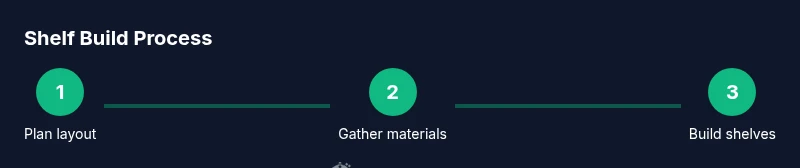
- 1
Plan your shelf layout
Define the space and measure the area where you want shelves. Decide on module sizes and whether you want open or enclosed sections. A clear plan reduces wasted materials and ensures every shelf is reachable without awkward crouching or climbing.
Tip: Sketch a quick grid on paper or in-game with a few blocks to visualize spacing. - 2
Gather materials and craft essentials
Collect required materials and craft the basic components: planks, slabs, fences, and item frames. This is your chance to choose a cohesive color palette that matches your base. Double-check that you have enough lighting to keep contents visible.
Tip: Always bring extra slabs and frames; they’re the most commonly used items in shelving minecraft builds. - 3
Lay the base and vertical supports
Place a sturdy base using planks and then add vertical supports at regular intervals. If your base is wide, consider a central support to maintain balance. Keep the height consistent with your planned module size.
Tip: Use chalk blocks or markers to keep your vertical lines perfectly straight as you place blocks. - 4
Install horizontal shelves
Lay down slabs or full blocks to form each shelf level. Space levels so you can reach the middle without jumping. Create a lip with fences to help keep items from sliding off.
Tip: Test reach by placing a few test items at different depths to ensure accessibility. - 5
Add display and storage features
Attach item frames to the front of shelves and place chests beneath if needed. This combination keeps your inventory readable while providing hidden storage for bulk items. Integrate lighting to highlight the shelves at night.
Tip: Arrange item frames to reflect priority items you use most often. - 6
Test, adjust, and expand
Walk through the space to verify accessibility and aesthetics. If you need more storage, extend the shelving module by duplicating units and maintaining alignment. Keep your color and material choices consistent for a polished look.
Tip: Document the build so you can replicate it in other rooms later.
People Also Ask
How do you build shelves in Minecraft?
Start with a simple 2x2 shelf frame, add slabs for tiers, and use item frames to display items. Expand gradually by copying the module to adjacent walls. A well-planned shelf system improves inventory management and aesthetics.
Build a small shelf frame, add tiers with slabs, and place item frames to show items.
What materials are best for shelves in survival mode?
Wood planks and slabs are the easiest to obtain early on. For a sturdier look, mix wood with stone bricks or cobblestone for contrast. Lighting is important to keep shelves readable at night.
Wood is easiest; mix with stone for a stronger look and add light.
Can shelves be used to hide storage?
Yes. Place chests beneath or behind shelves, or use trapdoors to create enclosed sections. This keeps clutter out of sight while preserving quick access to essential items.
Yes, put chests hidden behind doors or beneath shelves.
Are floating shelves possible in Minecraft?
You can simulate floating shelves using ladders or fence posts with a slab on top and an item frame on the front. They look stylish but require careful placement to stay accessible.
You can fake floating shelves with careful placement.
How big should shelving Minecraft shelves be in a starter base?
Begin with a compact 2-block-wide module and expand as your stash grows. Maintain consistent height and spacing for readability and ease of navigation.
Start small, then scale while keeping the same spacing.
Do shelves work differently on Java vs Bedrock edition?
Shelving mechanics are largely the same across editions, but item display blocks like item frames behave slightly differently in some versions. Check your platform’s block placements if you notice mismatch.
Shelves are similar between editions, just watch for frame behavior.
Watch Video
The Essentials
- Plan shelves before placing blocks to save materials
- Use modular units for scalable storage
- Mix open shelves with chests and item frames for readability
- Add lighting to improve visibility and safety
- Keep a consistent color/material scheme for cohesion