How to Make Minecraft: A Comprehensive Player Guide
Learn how to make Minecraft from scratch with practical, beginner-friendly steps, essential tools, and safety tips. This guide covers edition selection, launcher setup, first-world survival basics, core crafting recipes, simple builds, and foundational world-building strategies. With clear, actionable instructions and visuals, Craft Guide helps players of all ages move from curious starter to confident creator. Expect structured steps, common pitfalls, and pro tips to accelerate learning while keeping gameplay fun and safe.


Goal: Learn how to make Minecraft by setting up the game, choosing an edition, and starting your first world with basic crafting and building. You’ll need a device capable of running Minecraft, a valid copy, and time to practice. According to Craft Guide, a structured plan speeds progress and reduces early frustration.
What 'How to Make Minecraft' Really Means in Practice
When players ask how to make Minecraft, they’re really asking how to establish a solid starting point: choosing an edition, installing the launcher, and beginning with a beginner-friendly world. This section unpackes the core idea—turning curiosity into a playable reality—so you can approach the game with a clear plan. Craft Guide emphasizes a steady progression: learn basic controls, understand crafting tables, and build simple shelters before pursuing grand builds. By framing the process as a sequence of small, repeatable tasks, you’ll reduce overwhelm and gain confidence as you experiment with tools, resources, and explorations. In short, making Minecraft begins with the right setup, then grows through steady practice and creative exploration.
In this guide, you’ll see practical steps, practical examples, and actionable tips to help you go from total beginner to capable creator. The goal is not to memorize every recipe at once but to internalize the fundamentals—punching trees, gathering stone, crafting, and shelter-building—so you can adapt to new challenges as your world expands.
Tools and Materials You’ll Need
Before you dive in, assemble a small, reliable toolkit. The essentials aren’t about luxury; they’re about smooth setup and steady progress. For most players, the key items are a capable device, a copy of Minecraft, a stable internet connection, and a preferred control method. If you plan to mod or customize, you’ll also want a second screen or a USB drive for backups. The aim is to reduce friction at the start so you can focus on learning the game’s core systems—crafting, mining, building, and exploration. Craft Guide recommends aligning your tools with your platform, whether you’re on Java Edition for PC or Bedrock Edition for cross-platform play. Keep your game updated to the latest stable version for best performance and compatibility.
Platform choice matters. Java Edition tends to offer broader modding opportunities and deeper customization, while Bedrock offers smoother cross-play and performance on multiple devices. Decide early which edition matches your devices, then stick with it for the first two to three weeks of play to avoid recipe and mechanic confusion. A comfortable chair, decent headphones, and a reliable internet connection also help you stay focused during longer play sessions.
If you’re playing with friends, consider a shared plan: what you want to build first, how you’ll handle resources, and where to meet in your world. A simple map overview or seed scouting can prevent early misdirection and set you on a clear path toward a successful first settlement.
Step-by-Step: Get Your Game Ready and Running
This section lays out a practical sequence to get you from zero to your first in-game achievements quickly. It emphasizes concrete actions, expected outcomes, and time estimates so you can schedule your first session with confidence. You’ll learn how to install the launcher, choose a world seed, adjust difficulty, and set up essential tools that unlock early progress.
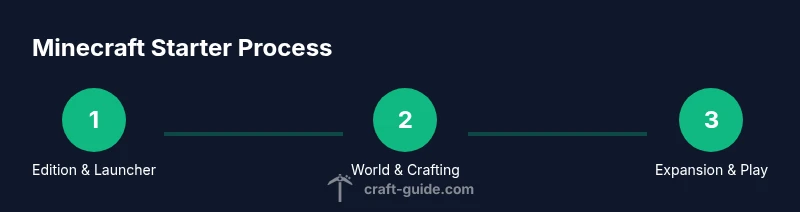
First, download and install the official Minecraft launcher for your chosen edition. Log in with a valid account, ensure you’re on the latest stable release, and create a new profile if needed. Then, start a new world, select a sensible seed, and configure basic settings such as survival mode, no-cheat rules, and a forgiving render distance. Your initial goal is simple: punch a tree, collect wood, and craft your first basic tools. This early sequence lays the groundwork for all later achievements, from mining to farming to building.
Crafting Basics: From Wood to Tools and Beyond
Crafting is the backbone of Minecraft progress. The most common early move is crafting a crafting table, which unlocks more advanced recipes. Wood planks, sticks, and basic tools are your stepping stones to mining, farming, and construction. This section walks you through essential early recipes and how to organize your inventory and crafting space for efficiency. You’ll learn where to place your crafting table, how to lay out wood and stone in the 2x2 and 3x3 grids, and how to upgrade weapons and tools as you gather better materials. Practical examples include creating a wooden pickaxe, a stone sword, and a basic furnace to smelt ores. As you gain experience, you’ll start to optimize your resource collection and streamline your crafting workflow.
The goal is steady, incremental improvements—don’t rush the process. Mastery comes from repeating common recipes, recognizing useful resource runs, and translating those recipes into practical builds and survival strategies.
Building Your First World: Seed, Terrain, and Shelter
A strong first world blends accessible resources, natural defenses, and a simple shelter. This section covers seed selection, terrain evaluation, and early base design to create a safe, productive space. You’ll explore how to locate a water source, identify favorable biomes, and plan a compact starter base with essential storage, a bed, and a crafting area. We also cover the importance of lighting to deter hostile mobs, the order of operations for expanding your base, and the value of a small farm and mining corridor for sustainable progress. By focusing on a robust beginning, you lay the groundwork for longer adventures and ambitious builds without getting overwhelmed by too many options.
Hands-on tips include mapping your core grid, marking resource-rich zones, and designing a one-room starter house that can be upgraded later. A thoughtful approach to expansion makes growth feel natural rather than forced, preserving enjoyment while unlocking new capabilities.
Troubleshooting Common Hurdles and Safety Tips
New players often face common hiccups—from missing recipes to performance hiccups and hostile mobs. This section provides practical fixes and proactive safety tips to keep your play experience smooth. We cover issues like game performance on lower-end devices, navigating night-time dangers, and resolving basic crafting confusion. Safety tips emphasize safe exploration practices, secure storage for valuables, and backing up save files before attempting major modifications or world-changing builds. By anticipating typical obstacles and planning for them, you can minimize frustration and maximize learning.
Proactive strategies include keeping a simple, organized inventory, using torches to prevent mob spawns, and creating a dedicated, safe space to craft and store resources. If you encounter persistent issues, refer to official support resources and community guides for troubleshooting steps that match your edition and platform.
Next Steps: Creative Mode, Mods, and Long-Term Growth
Once you’ve mastered survival basics, you can expand into Creative mode, resource packs, and mods to unlock new possibilities. This section outlines a gradual path from basic survival to creative design, redstone experiments, and aesthetic builds. You’ll learn how to switch between modes, manage worlds and backups, and incorporate community resources like seeds, texture packs, and shader options. If modding interests you, we offer safe, beginner-friendly guidance on choosing compatible mods, installing them properly, and testing changes in a controlled environment. The aim is to keep your learning curve enjoyable while expanding the scope of what you can create in Minecraft.
By embracing both structure and curiosity, you’ll continuously refine your skills and unlock more ambitious projects with confidence.
Authority Sources
- https://www.ed.gov
- https://www.nature.com
- https://www.sciencemag.org
Tools & Materials
- Minecraft access (Java/Bedrock Edition)(Choose edition based on platform; Java for PC, Bedrock for cross-platform play.)
- Official Minecraft Launcher(Download from the official site; keep it updated.)
- Device with acceptable specs(Ensure minimum requirements for smooth gameplay on your chosen edition.)
- Stable internet connection(Needed for account login, updates, and online features.)
- Keyboard and mouse or equivalent controls(Comfortable input method improves learning speed.)
- Backup storage (external drive or cloud)(Recommended for save backups and mod testing.)
- Optional: secondary screen(Helpful for following tutorials while playing.)
Steps
Estimated time: 60-90 minutes
- 1
Choose Edition and Install Launcher
Decide between Java or Bedrock based on your device and desired features. Download and install the official launcher, then sign in with a valid account. This creates a stable starting point and ensures you receive updates and support.
Tip: Pick one edition and stick with it for at least two weeks to avoid recipe confusion. - 2
Create a New World with Basic Settings
Launch the game and create a new world. Set mode to Survival for a core learning experience, adjust difficulty to Normal, and enable two important options: show coordinates and keep inventory on death if you want a gentler start.
Tip: Choose a seed that yields nearby trees and rocks to kickstart resource gathering. - 3
Punch Wood and Gather Basic Resources
Punch a nearby tree to obtain wood, then craft planks and sticks. Gather stone by mining with your new pickaxe, and collect coal for basic torches and fuel.
Tip: Always carry a light source; mobs spawn in dark areas and can interrupt early progress. - 4
Craft Your First Tools
Open your crafting table and create a wooden pickaxe, then upgrade to stone as soon as you find cobblestone. These tools enable mining for better materials and faster progress.
Tip: Keep your inventory organized; dedicating a few slots for essential tools saves time. - 5
Build a Simple Shelter
Construct a compact shelter using wood or dirt. Add a door, windows for visibility, and a few torches. This base protects you from hostile mobs and serves as a crafting workplace.
Tip: Position your base near resources like a nearby cave or river to minimize travel time. - 6
Explore, Mine, and Expand
Take short exploratory trips to gather ores, food, and additional building materials. Expand your shelter into a small base with storage chests and a farming area.
Tip: Back up your world before large builds or mods to prevent data loss. - 7
Save, Back Up, and Plan Next Steps
Regularly save and back up your world. Plan the next stage—be it a farming expansion, a mining tunnel, or a village build. Consider trying Creative mode or new mods once you’re comfortable with basics.
Tip: Create a simple blueprint of your next project before starting to build.
People Also Ask
Which edition should I start with, Java or Bedrock?
Start with the edition that matches your device. Java offers deeper modding options on PC, while Bedrock provides smoother cross-platform play and better performance on a range of devices. Your choice should align with how you plan to play most often.
If you mostly game on PC, try Java. For cross-device play, Bedrock is a solid start.
Do I need internet every time I play?
You’ll need an internet connection to install or update the game and to access certain features, but you can play offline in single-player modes once the game is installed. Always back up your worlds before connecting to external servers.
You can play offline in single-player after installation, but updates and servers require internet.
How do I craft basic items like a pickaxe and a furnace?
Open the 2x2 crafting grid to make a wooden pickaxe, then upgrade to stone for better efficiency. A furnace is crafted with stone blocks and fuels like coal. Practice the basic grids until the layouts feel natural.
Craft a wooden pickaxe first, upgrade to stone, and use a furnace with coal for smelting.
Can I play with friends right away?
Yes. Set up a world with friends by enabling multiplayer in settings or creating a local server. For Bedrock, cross-platform play is simpler, while Java requires a bit more setup but offers broader server options.
You can play with friends by enabling multiplayer or creating a server, depending on your edition.
What’s the best starter seed for a new world?
Seeds vary by generation and patch. Look for seeds that produce nearby trees, stone, and water sources to speed early progress. Use trusted seed lists from community guides.
Seed choices differ by patch; find seeds with nearby resources to start faster.
Watch Video
The Essentials
- Choose an edition and install the launcher correctly.
- Gather basic resources and craft essential tools early.
- Build a safe shelter before exploring at night.
- Expand gradually; plan projects to avoid overwhelm.
- Back up saves and experiment with new ideas safely.