How to Grow a Pumpkin in Minecraft: A Practical Guide
Learn practical steps to grow pumpkins in Minecraft with hydrated soil, light, seed replanting, and smart layouts. Craft Guide offers layouts, tips, and common mistakes for steady harvests.


By growing a pumpkin in Minecraft, you plant pumpkin seeds on hydrated farmland, ensure enough light, and wait for growth stages to complete until a pumpkin block appears. Harvesting yields pumpkins and seeds for replanting. This quick guide walks you through setup, growth conditions, and practical farming ideas for steady pumpkins.
Overview: Pumpkin Farming in Minecraft
According to Craft Guide, growing pumpkins is one of the simplest food-farming tasks you can master in both survival and creative modes. Pumpkins provide edible slices and seeds for replanting, plus a decorative block for builds. A small pumpkin patch teaches basic crop mechanics—using hydrated soil, light, and careful spacing—without requiring advanced redstone or complex farm layouts. In this block, we’ll cover the core concepts: what you need to start, how a pumpkin grows from seed to harvest, and practical farming setups you can replicate in a compact base. The goal is reliable yields with minimal effort, so you can focus on exploring caves, building, or farming other crops. You’ll learn to assemble a simple patch, monitor its needs, and adjust for your world’s daylight cycle. This is the foundation for all pumpkin farming you’ll do in Minecraft.
Growth Requirements: Light, Water, and Soil
Pumpkins in Minecraft rely on three foundations: hydrated soil, adequate light levels, and enough space for the stem to spread. Hydration keeps dirt farmland in the best state for crop growth; place a water source within four blocks of the tillable soil. Light is essential; crops grow only where light is sufficient, so place torches or glowstone to maintain growth during night or underground areas. The pumpkin stem grows on farmland, and a mature pumpkin block appears when the stem has progressed through growth stages. Growth times vary with the in-game day-night cycle and random tick events, so plan for patience. When planning your patch, give each plant at least a two- to three-block gap to allow stems to spread and pumpkins to form without shading from neighbors. Finally, Craft Guide notes hydration and light improvements significantly increase successful harvests across biomes and world styles.
Seeds: Finding and Preparing
The simplest way to start is to collect pumpkin seeds by breaking pumpkins you find in your world or in villages and caves. Once you have seeds, store them in your inventory or a chest. For best results, keep seeds dry and organized, and consider carrying extra seeds when you explore. An optional item is bone meal; using it on the stem speeds up growth if you need results faster. Craft Guide recommends having a small seed kit so you can expand patches as your base grows.
Planting and Growing: Setup Basics
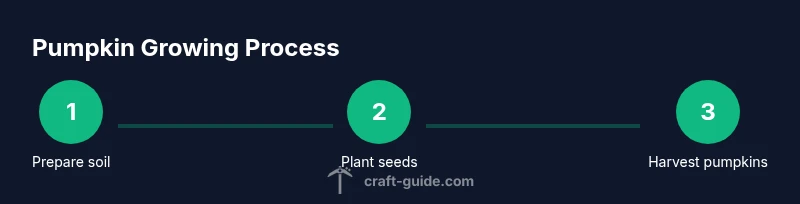
Planting requires tilled farmland. Use a hoe to till dirt or grass into farmland; right-click the farmland with a pumpkin seed to place the seed. Ensure the farmland is hydrated by a nearby water source within four blocks. The stem will begin to grow and progress through growth stages; once mature, a pumpkin block will appear adjacent to the stem. Growth times vary; in finite terms, crops progress with the world’s tick rate and daylight. For a compact starter patch, arrange a 3x3 block of farmland, but leave space for stems to spread outward. Lighting remains important; avoid dark corners, especially if you play at night or in caves.
Hydration and Farm Layouts
Hydration strategy is essential for pumpkin farming. Place water within 4 blocks of all farmland to keep soil hydrated; hydrated soil increases crop growth rate and reduces land damage. For maximum efficiency, lay out a small grid or row-based layout with a water source on the edge; planting seeds in a straight row helps you manage irrigation and light. Light sources: torches, lanterns, or lamps placed at even intervals ensure growth during nighttime. If you want to scale your patch, double the spacing and keep farmland hydration in mind. Craft Guide's experience shows that consistent water and light reduce wasted time and keep your pumpkins coming in.
Harvesting and Replanting
When pumpkins mature, break the pumpkin block to harvest. You’ll obtain pumpkins that can be used for food or crafting, and you’ll also gather pumpkin seeds to replant. Replant seeds immediately to maintain production; keep your patch organized to minimize clearing before replanting. If you want to maximize yield, harvest in a staggered pattern so you always have mature pumpkins ready while continuing to grow new ones.
Advanced Tips for Efficiency
Bone meal can speed up growth on stems and pumpkins; use it sparingly to accelerate a patch's development. You can combine pumpkin patches with water channels to save space and keep irrigation simple. For larger farms, consider outlining multiple patches with evenly spaced lighting so your crops stay productive through day-night cycles. Pair pumpkin farms with nearby storage and crafting areas to minimize travel time and maximize your drop rates.
Uses and Creative Builds
Harvested pumpkins can be used for food (pumpkin pie) and decorative lighting (jack-o-lanterns), as well as seeds for replanting. Incorporate pumpkins into builds for color accents or autumn-themed landscaping. A small, well-lit patch near your base provides a reliable food supply and a steady source of seeds for expansion as you explore new biomes and build new projects.
Quick Reference: Growth Timeline (Overview)
Pumpkins progress through growth stages as the world ticks forward; a pumpkin block forms near the stem when growth completes. Growth depends on time, light, and hydration, and slower conditions may occur in dim biomes. In practical terms, you should plan for your initial patch to start producing after some in-game days, with additional pumpkins appearing as stems mature. If you need results faster, bone meal can accelerate stem and fruit growth, helping you scale your patch quickly.
Tools & Materials
- pumpkin seeds(obtain by breaking pumpkins in the world)
- hoe (any material)(to till soil; stone or higher recommended)
- water bucket(hydrate soil; place water within 4 blocks of farmland)
- torches or light source(provide light to support growth; place around patch)
- bone meal (optional)(speed up growth if needed)
Steps
Estimated time: 15-25 minutes (setup and initial growth)
- 1
Find a planting site
Choose a flat, open area near a water source to keep soil hydrated. Clear space for stems to spread and avoid tall blocks that shade crops. This prepares a stable base for your patch.
Tip: Keep the area within your base to minimize travel time. - 2
Till the soil
Use a hoe to till dirt or grass into farmland; the soil must be hydrated for best results. Till in rows that will accommodate pumpkin seeds with some spacing. This step unlocks crop growth.
Tip: Keep a water source nearby to maintain hydration while tilling. - 3
Plant pumpkin seeds
Hold pumpkin seeds and right-click on tilled farmland to plant. Plant in a pattern that leaves space for stems to grow outward. Seeds will begin to germinate and develop into vines.
Tip: Plant a few extra seeds to hedge against unlucky drops. - 4
Provide light
Ensure the patch has sufficient light, especially at night; place torches or other light sources around the area. Light supports steady growth and avoids stall.
Tip: Distribute light evenly to prevent dark corners. - 5
Wait for growth stages
Crops progress through growth stages over in-game time; be patient, and avoid breaking plants prematurely. A pumpkin block will form near the stem when growth completes.
Tip: Consider using bone meal to speed up the process if you need faster results. - 6
Harvest and replant
Break the pumpkin block to harvest; collect pumpkins and seeds for replanting. Replant seeds immediately to maintain production and compact layouts.
Tip: Harvest during daytime to keep momentum and avoid wandering around. - 7
Expand once ready
As you gain seeds, expand your patch gradually while maintaining hydration and light. Larger patches increase yield without complicating maintenance.
Tip: Plan secondary patches in adjacent blocks to optimize space.
People Also Ask
What do I need to grow pumpkins in Minecraft?
You need pumpkin seeds, hydrated farmland, a nearby water source, and adequate light. Space for the vines to spread helps avoid crowding.
You’ll need seeds, water, and light to start a pumpkin patch.
How important is light for pumpkin growth?
Light is essential for crop growth. Ensure the patch has sufficient light levels, especially at night or underground.
Light is crucial for pumpkin growth.
Can I speed up pumpkin growth?
Yes, bone meal speeds growth and can help you reach harvest stages faster when you need a quick patch.
Bone meal can speed up growth if you have it.
How should I space pumpkins for best yields?
Leave space around the stem so it can spread and pumpkins can form without shading neighboring plants.
Spacing helps pumpkins grow properly.
What are common uses for pumpkins?
Pumpkins are edible and can be crafted into pumpkin pie and decorative jack-o-lanterns, plus seeds for replanting.
Pumpkins have several uses, including food, pies, and lights.
Watch Video
The Essentials
- Till hydrated farmland and plant pumpkin seeds.
- Maintain bright light and water within four blocks.
- Harvest pumpkins when mature and save seeds.
- Replant seeds to keep a steady supply.