How to Get Leather in Minecraft: A Practical Guide
Learn practical, beginner-friendly steps to obtain leather in Minecraft, from cow-farming basics to crafting leather armor and gear. A clear, step-by-step guide for survival and creative players alike.


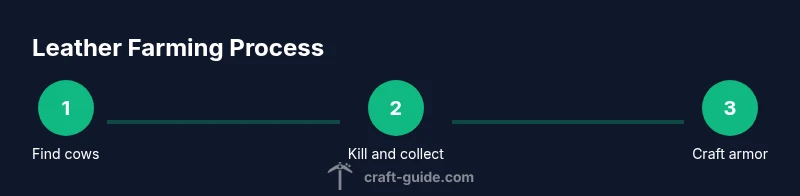
Leather in Minecraft comes from mobs like cows, horses, and llamas. Kill them to obtain leather drops, then craft basic armor and items. Cows are the most reliable source in many biomes, while horses and llamas can supplement your supply. No smelting is required—just collect, craft, and equip.
What leather is used for in Minecraft
Leather is a versatile material early in the game, enabling basic armor, item frames, and various crafted items. Understanding where leather comes from and how to farm it efficiently saves time and increases survival odds. This guide focuses on practical, beginner-friendly strategies to secure leather quickly and sustainably. Leather items include armor pieces, item frames, and leather components for various recipes. As you gain experience, you can expand into dyeing leather armor for personalization and use leather in early gameplay to bridge the gap until you find stronger materials.
Leather sources and drops
Leather drops primarily from cows, with horses and llamas also yielding leather when killed. Cows are the most common source and span many biomes, especially plains and forests, where herds are easier to encounter. Horses and llamas are less frequent but can pad your supply, especially if you explore larger open biomes or wander near villages and savannas. Remember that leather drops are tied to the mob's death; you’ll need to defeat the mob to obtain leather. Leather is used for armor, components in items like frames, and early-game gear, making it worth farming even in small batches.
Early-game farming plan
For beginners, the simplest path to leather starts with locating a cow pasture in a safe area. Travel during daylight, bring a reliable weapon, and keep an eye on your hunger bar. Defeat cows steadily to collect leather, then retreat to a sheltered area to avoid hostile mobs. If you’re nearby a village, cows sometimes cluster near pens, increasing your chance of quick leather drops. As you gain confidence, widen your explorations to nearby plains and forests to harvest more mobs without overextending your resources. This plan prioritizes safety and steady progress, helping you build a reliable leather supply with minimal risk.
Building a sustainable cow-based leather farm
A simple cow-based leather farm can be built with a small, fenced enclosure near your base. Start by selecting a flat, open space and placing a boundary that prevents mobs from escaping. Breed cows to increase their population, then harvest leather from adults. A well-lit pen reduces wandering and spawns of hostile creatures inside the enclosure. Ensure there is a feeding routine to keep cows healthy and spawn-friendly. While not strictly automation, an organized farm reduces time spent wandering and increases leather yield per hour, making it a practical long-term strategy.
Hunting strategy and safety
When farming leather, prioritize safety and efficiency. Fight mobs in daylight or within well-lit areas to avoid ambushes. Use a shield to block hits and a weapon with a reliable speed to maximize drops per encounter. Move in short, controlled bursts rather than sprinting into tight groups, which reduces risk of being overwhelmed by nearby hostile mobs. Keep a steady supply of food so you don’t risk starvation during extended hunting sessions. If you are playing on harder difficulties or near dangerous terrain, consider retreating to your base after several successful kills to maintain momentum without taking unnecessary risks.
Crafting with leather: armor, frames, and more
Leather is a practical material for early armor, offering basic protection while you gather stronger resources. Use a crafting table to craft leather armor pieces (helmet, chestplate, leggings, boots) and leather items like item frames for organizing your base. Leather can also be used as a component in other recipes, including fun and decorative items. As you progress, you may also craft dyed leather armor for personalization. The versatility of leather makes it essential for players who want quick protection and creative options while exploring.
Storage, organization, and inventory management for leather
As you accumulate leather, a simple organization system saves time. Designate a chest or a chest room for leather drops, leather armor, and crafted leather items. Group raw leather together, armor sets in one section, and crafted items like frames in another. Tag chests with signs or arrange them in a logical order near your crafting area. Clean inventory space before large expeditions to maximize your loot-handling efficiency. A well-organized storage system accelerates crafting and reduces backtracking, letting you focus on exploration and resource collection.
Common mistakes and how to avoid them
Avoid hunting mobs without preparation, as sudden ambushes can drain health quickly. Never ignore lighting; dark caves and forests are hotspots for creepers and other threats. Don’t rely on a single mob for leather; diversify sources (cows, horses, llamas) to ensure a steady supply. Finally, resist the urge to spend all leather on a single item; balance your inventory by crafting a mix of armor, storage items, and decorative blocks to maximize day-to-day utility.
Tools & Materials
- Sword or strong weapon(Essential for efficiently defeating mobs and securing leather drops.)
- Crafting table(Needed to craft leather armor and related items.)
- Shield(Optional defense to block hits during hunts.)
- Food(Keep hunger satisfied during longer farming sessions.)
Steps
Estimated time: 20-40 minutes
- 1
Locate cow herds in grassy biomes
Explore plains or forest edges during daylight to find clusters of cows. Look for areas with tall grass that indicate open grazing land. A broad search increases your chances of finding multiple cows quickly.
Tip: Bring a map or note landmarks to retrace productive hunting grounds. - 2
Prepare your equipment
Equip a reliable weapon and shield to handle mobs efficiently. Ensure you have sufficient food; a quick snack can prevent depletion during extended farming sessions.
Tip: Keep your distance and strike from a controlled angle to maximize drops. - 3
Engage cows and collect leather
Attack cows in small groups to avoid being overwhelmed. Collect leather drops as they appear and move to a safe area to store loot.
Tip: If you see many cows, pacing your attacks helps you accumulate more leather with less risk. - 4
Optional: hunt horses or llamas for extra leather
If you encounter horses or llamas, you can engage them cautiously for additional leather. Move with care to avoid damage from their movement patterns.
Tip: Animals may spawn far from your base; plan routes to return safely. - 5
Store leather in accessible chests
Bring leather back to your base and place it in a designated storage chest. Keeping leather organized speeds up crafting later.
Tip: Label chests so you can quickly locate leather when needed. - 6
Craft basic leather armor and items
Use a crafting table to assemble leather armor pieces and items like item frames. Start with basic armor to improve protection while exploring.
Tip: Craft a full set when you have enough leather for even coverage. - 7
Expand your farming with a small pen
If you have space, build a simple cow pen to sustain leather farming. A secure, well-lit enclosure reduces mob threats and keeps your herd contained.
Tip: A basic fence-and-gate setup works well for beginners. - 8
Refine your process with safety checks
Regularly assess your lighting, weapon durability, and nearby threats. Update your farming pattern to reduce risk and increase leather yield.
Tip: Carry extra torches to maintain light levels in your farming area. - 9
Plan ongoing leather tasks
Set a daily or session goal for leather collection, armor crafting, and storage organization. Consistency builds reliable leather supplies for upgrades.
Tip: Pair leather farming with other resource gathering to maximize play sessions.
People Also Ask
Where does leather drop from in Minecraft?
Leather drops primarily from cows and also from horses and llamas when killed. You’ll need to defeat the mob to obtain the leather drop. Use this knowledge to target the most reliable sources in your biome.
Leather drops mainly from cows, with horses and llamas as secondary sources; you’ll get leather after defeating the mob.
Can I obtain leather without killing mobs?
Leather is primarily obtained by killing mobs. Trading with villagers can supplement your supply in some versions, but it is not a guaranteed method. Focus on mob farming for a steady and reliable yield.
Most leather comes from mobs; traders can help sometimes, but farming mobs is the surest method.
What can I craft with leather?
Leather is used to craft basic armor, item frames, and certain decorative or utility items. Early on, leather armor is a practical upgrade, and item frames help organize your base. Dyed leather adds a personal touch to your gear.
Leather can craft armor, item frames, and decorative blocks; it’s great for early gear and organization.
Do horses drop leather in all biomes?
Horses can drop leather when killed, but they are less common than cows. If you encounter them, they provide a useful leather source, especially when cow spawns are scarce.
Horses do drop leather, but they’re rarer than cows.
Is leather renewable or should I upgrade to iron armor quickly?
Leather is renewable with ongoing mob farming and provides an entry-level armor option. As you progress, you’ll likely upgrade to iron or stronger materials for better protection.
Leather keeps coming with farming, but upgrading to iron or better will give you more protection.
Can leather be dyed or customized?
Yes, leather armor pieces can be dyed to customize color. This is a popular aesthetic choice and helps distinguish your gear in multiplayer.
Leather armor can be dyed for color customization.
Watch Video
The Essentials
- Locate cow herds in grassy biomes for reliable leather drops.
- Craft basic leather armor to improve early-game survivability.
- Organize leather storage to speed up crafting workflows.
- Maintain lighting and safety to sustain efficient farming.