Minecraft Window Design: A Practical Guide for Stylish Openings
Learn practical techniques for Minecraft window design, including glass types, mullions, sills, and lighting, with clear step-by-step guidance and visual examples.


By the end of this guide, you’ll be able to design Minecraft windows that balance light, visibility, and style using glass panes, frames, sills, and decorative mullions. You’ll learn how to adapt windows for modern, medieval, and rustic builds, plus essentials for color, depth, and lighting. We cover practical workflows, from planning to placement and finishing touches, with in-game examples you can copy.
Foundations of window design\n\nIn Minecraft, windows are more than mere air gaps—they define a build's rhythm, character, and lighting. Great window design balances visibility with light diffusion and architectural intent. Start by deciding what the window is for: natural light, a view, or decorative detail. Street-level houses benefit from larger, low-sill windows to invite the outside in; towers and interiors benefit from tall, narrow panes to emphasize verticality. The Craft Guide team emphasizes blending function with aesthetics, so your choice of materials should reinforce the overall style. Before placing blocks, sketch a simple plan: mark the wall sections for windows, determine width in blocks, and choose a mullion pattern that matches your build. Mullions—vertical or horizontal bars between panes—improve proportional readability and help guide the eye. Remember that openings affect lighting; negative space creates mood, while well-lit interiors feel welcoming. In vanilla Minecraft, glass panes are the easiest way to achieve slim, crisp lines; if you want color or texture, try stained glass or composite blocks for variety, testing light transfer as you go.
Glass options and their visual impact\n\nGlass choices drive the overall vibe of a window. Glass panes create clean lines and thin frames, ideal for modern or minimalist builds. Glass blocks give a chunkier, more substantial look that can feel rustic or industrial, depending on the surrounding materials. Stained glass adds color and a stained-glass mood, which can cast tinted light into interiors—useful for atmosphere in a chapel or a theater facade. Remember that glass remains translucent, so plan your interior lighting accordingly. When selecting glass, consider how much light you want to pass through and how visible the outside will be from inside. For outdoor pathways or reading rooms, a mix of panes and blocks can create a layered, dimensional effect. Craft Guide suggests testing several options in a small test build to compare how each option affects brightness and view from different directions.
Frame styles: mullions, panes, and borders\n\nFrames define a window’s personality. A classic mullion pattern uses vertical bars to create multiple, smaller panes, which can read as traditional or cottage-core. A simplified, single-pane frame works well for modern, open-concept designs. You can also combine horizontal mullions with vertical ones for a grid that reflects industrial or contemporary aesthetics. When choosing borders, contrast is your friend: light-colored frames on dark walls read as crisp and contemporary, while dark frames on light walls emphasize structure. If you’re aiming for elegance, use symmetrical layouts and maintain consistent spacing between panes. To keep things tidy, align window frames with door frames and other architectural features across the facade for a cohesive look.
Sills, lintels, and depth: adding realism\n\nDepth matters. Sills built from slabs or stairs beneath the opening create shadow lines that add realism and depth, while lintels (top horizontal supports) across the opening can reinforce the window’s weight and presence. Use materials that echo the wall’s surrounding texture—stone for medieval builds, wood for rustic cabins, brick for urban houses. A slightly recessed sill can make the window read as inset rather than flat against the wall, which improves visual interest from street level. If your design involves balconies or flower boxes, trapdoors and fence blocks can simulate shutters or planter boxes, enhancing personality without cluttering the silhouette.
Proportions: sizing windows for different builds\n\nWindow sizing should reflect the building’s scale. Large, expansive windows suit modern designs, offering generous views but requiring careful proportion with the wall. Small to medium windows work well for medieval or rustic builds, providing intimacy and charm. Use consistent widths across similar facades to maintain rhythm, and vary heights to avoid monotony. For tall towers or vertical structures, consider stacked windows with increasing height to emphasize height. Remember: proportion is about how parts relate to the whole. If one window seems dominant, reduce other openings to restore balance.
Color and light: stained glass, tinted blocks, and lighting\n\nColor changes the mood. Stained glass can add color accents and soft, colored light, suitable for sanctuaries, markets, or wizard towers. Tinted or color-shifting blocks provide ambiance without heavy weathering. Lighting choice matters: place light sources to illuminate frames without washing out the scene, using glow-like blocks or lanterns near the sill or above the window. Consider rotating light colors to complement the window’s glass color. The goal is to achieve a harmonious balance where light enhances the accent tones rather than overpowering them. Experimental builds benefit from placing a few sample panes and comparing the effect at different times of day, which Craft Guide recommends for ensuring consistent mood across rooms.
Terrain and surroundings: integrating windows with the scene\n\nWindows should reflect the environment they sit in. A coastal cottage looks best with bright, reflective panes and sun-facing visibility, while a forest hideout may use deeper tones and smaller apertures to blend with the trees. Align windows with the building’s architectural lines to preserve cohesion, and use exterior landscaping—plants, vines, fences—to soften edges. Your window choice should also reveal interior details worth showing from the outside, such as a lit interior, a well-placed bookshelf, or a visible crafting table. Finally, test how shadows fall on the facade at different times of day to ensure the windows don’t create unintended dark spots or glare.
Windows in different biomes and builds: medieval, modern, rustic\n\nAdapting window design to biome and style is essential. Medieval builds favor thick walls, rounded or arched tops, and dark wood or stone frames. Modern designs opt for clean lines, large glass areas, and light-colored frames. Rustic styles benefit from warmer woods and stone combinations, with smaller panes that feel handcrafted. Mix and match techniques within a single project to create rhythm: an outer modern shell with a medieval inner atrium, or a rustic kitchen with wide picture windows to frame a garden. The key is coherence: the windows should feel inevitable within the world you’re constructing, not taced-on details that break immersion.
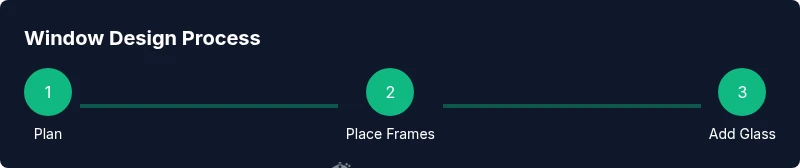
Practical build workflow: planning, placing, and refining\n\nA pragmatic workflow accelerates results. Start with a simple sketch, or use in-game grid-based planning to map openings. Build the frame first, then insert glass. Step back frequently to assess proportions from multiple viewpoints. If you’re unhappy with a pane’s color, swap it for a different color or switch between panes and blocks to adjust brightness and mood. Keep a small set of go-to materials for consistency across builds, and document your choices so you can reuse successful patterns in future projects.
Troubleshooting common issues\n\nCommon issues include misaligned mullions, uneven window widths, and glare from lighting. If panes don’t align, recheck the wall outline and ensure each opening is centered relative to doors and other windows. For uneven widths, adjust the wall thickness or recalculate the window’s footprint on the facade. Lighting problems often arise when interior and exterior brightness clash; moving light sources or changing glass type can balance the glow. Finally, if a window looks flat, add depth with a sill or a recessed frame and consider a complementary exterior detail to create dimensionality. Craft Guide notes that small, incremental edits beat large, sweeping changes when refining a window system.
Advanced techniques: mixed materials and decorative glazing\n\nBeyond basic panes and blocks, experiment with mixed materials to create texture. Use slabs as sills, stairs to form curved arches, and fences for shutters or decorative borders. Layer multiple glass types—clear panes paired with stained panes in a grid—to achieve color stratification. For a more theatrical effect, place glass in front of glowstone or sea lanterns behind the pane to create a soft halo. Always verify how the design looks from inside and outside at different times of day, ensuring the window remains readable and attractive from all angles.
Tools & Materials
- glass pane(Use for most openings; easy to place and provides slim lines.)
- glass block(Optional for a chunkier look or stylized panes.)
- stained glass pane(Adds color accents; test light transmission and color hue.)
- slab (any material for sill)(Creates depth under the window for a defined sill.)
- frame blocks (stone, brick, wood, etc.)(Define the window outline and mood.)
- trapdoors(Simulate shutters or window boxes when closed.)
- stairs(Assist in creating arches or curved tops.)
- lighting options (glowstone/lantern/sea lantern)(Place for interior lighting without glare on glass.)
Steps
Estimated time: 45-60 minutes
- 1
Plan the window layout
Decide the window count, width, and alignment with doors and walls. Sketch on paper or in-game using temporary blocks to visualize proportions before committing to materials.
Tip: Use a simple grid and keep spacing consistent with other openings. - 2
Choose materials
Select glass type (pane vs. block) and the frame material that matches the wall. Decide if you’ll add decorative mullions and whether to use sills or lintels.
Tip: Test color and weight on a small test wall to avoid large-scale changes later. - 3
Create the wall opening
Remove blocks to form the window space, ensuring the opening is centered and proportional to the wall. Keep a clean footprint to simplify frame building.
Tip: Place temporary blocks to confirm symmetry before finalizing. - 4
Build the window frame
Lay the outer frame around the opening with your chosen blocks. Add mullions if desired, ensuring even spacing across panes.
Tip: Maintain a consistent mullion width across all windows on the facade. - 5
Install glass panes or blocks
Fill the opening with glass panes for a crisp look or glass blocks for a chunkier feel. Verify the alignment from inside and outside.
Tip: Place panes from inside to ensure clean joints along the frame. - 6
Add depth with sills and lintels
Install a sill beneath the opening using a slab or stair. Add a lintel across the top to suggest structural weight and shadow play.
Tip: Stagger layers slightly to cast natural-looking shadows. - 7
Fine-tune lighting
Place strategic light sources to brighten interiors without washing out the glass. Consider backlighting or wall-mounted fixtures near the window.
Tip: Avoid direct glare on the glass; use indirect lighting when possible. - 8
Test sightlines and adjust
Check views from both inside and outside. Ensure frames don’t obstruct key visual lines and adjust width or mullion layout if needed.
Tip: Walk around the build to inspect from multiple angles. - 9
Decorate and finalize
Add shutters, flower boxes, or decorative ledges to finish the look. Document the design for reuse in future projects.
Tip: Keep a consistent style across all windows on the build for cohesion.
People Also Ask
What makes a window design look good in Minecraft?
A good window design balances proportion, frame style, and light. Consistency across related openings, appropriate mullion patterns, and depth via sills or lintels all contribute to a cohesive, visually pleasing result.
A good window design balances proportion, frame style, and lighting to look cohesive and intentional.
Glass panes or glass blocks: which should I use?
Glass panes produce sleeker, more modern lines, while glass blocks give a chunkier, heavier feel. Choose based on the wall thickness and the building’s style, and consider mixing for variety.
Pane gives clean lines; blocks feel chunkier—pick based on your build’s vibe.
How can I create curved or arched windows in survival mode?
Stack steps and use stairs or slabs to simulate an arch. While Minecraft doesn’t have true curves, graduated layers and arch-like shapes can suggest curvature. Plan the arch pattern ahead and repeat it for consistency.
Arch windows can be approximated with stairs and slabs in survival mode.
Will stained glass affect lighting inside the room?
Stained glass colors tint light but still let it through. Plan interior lighting to compensate for any color-induced brightness changes, possibly using warmer or cooler light sources to match the tint.
Stained glass colors tint light but still let you see inside; adjust lighting accordingly.
Are there quick tricks to decorate windows without heavy work?
Shutters made from trapdoors, flower boxes with slabs, or small balconies can add personality without a lot of extra work. Keep decorations proportional to window size to avoid clutter.
Try trapdoor shutters or flower boxes to quickly add character.
How do I ensure windows fit different building styles?
Match frame materials, proportions, and mullion patterns to the overall architecture. A medieval build uses thicker frames and arched tops; modern looks favor clean lines and larger panes. Consistency is key across the facade.
Align window details with the building’s style for cohesion.
Watch Video
The Essentials
- Plan windows with clear proportions and rhythm
- Choose glass type to match build style
- Use mullions to guide visual flow
- Add depth with sills and lintels for realism
- Test lighting to balance mood and visibility