Minecraft House Build: Practical Guide from Planning to Landscaping
Learn how to plan, design, and construct a durable Minecraft house with practical steps, tips, and visuals from Craft Guide for builders of all levels.


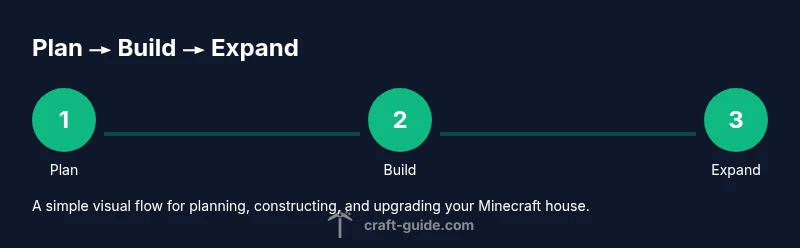
Crafting a sturdy Minecraft house starts with a plan: pick a lot, choose a style, gather essential materials, and outline a simple floor plan. Build foundation, walls, and roof, then add interiors and landscaping for a complete, scalable home.
Planning Your Minecraft House Build
Before you lay a single block, set a clear plan for your Minecraft house build. Decide on the footprint, purpose, and future growth. Consider the biome and terrain: a hillside offers natural drama, a plains map allows wide gardens, and a coastline gives waterfront charm. Think about access to resources, lighting, and defensible positions. Sketch a rough layout: where doors will sit, how many rooms you’ll need for storage, crafting, and sleeping, and how stairs or ladders connect floors. According to Craft Guide, starting with a clear plan saves time and resources and helps you visualize how different blocks will look together in the final build. The Craft Guide team also emphasizes consistency in style—choose a palette of 2-3 materials and use accents to highlight openings. By the end of this planning phase you should have a rough footprint and a list of required blocks, giving you a concrete target when you start gathering materials.
Choosing a Style and Foundation
Choosing a style sets the mood for your entire build. Will your house look modern with clean lines and glass, or rustic with timber beams and exposed stone? Base your choice on your world’s biome and the resources you enjoy gathering. The foundation should be solid and scalable—rectangular footprints are easiest to expand, while L-shaped or stepped footprints add character and can better fit uneven terrain. Start with a simple slab and outline the perimeter with a contrasting block to clearly define edges. A consistent foundation helps align walls, doors, and windows, and makes subsequent stages feel cohesive. For beginners, starting with a straightforward rectangle minimizes early mistakes and makes interior planning smoother.
Essential Materials and Tool Setup
Gathering the right materials before you start saves time and reduces backtracking. A typical starter kit includes wood planks for walls, logs for framing and accents, cobblestone or stone bricks for foundations and durability, doors, glass for windows, and lighting blocks (torches or lanterns). Keep a crafting table and furnace handy for early furniture and utilities. Scaffolding or ladders will speed up roof and upper-floor work. From a tooling perspective, a sturdy pickaxe, an axe, a shovel, and some extra blocks for scaffolding are essential. The Craft Guide Analysis shows that players who prepare a balanced material set and basic tools tend to build more efficiently and with fewer interruptions, so prioritize readiness over rushing the build.
Designing Floor Plans and Rooms
A thoughtful floor plan keeps a build organized and functional. Start with a ground-floor layout that accommodates a kitchen/crafting area, storage, and a bedroom. Plan vertical circulation (stairs or ladders) to connect to a second floor or attic. Place doors to optimize mob protection and create natural traffic flow between rooms. Use walls to create a gentle rhythm and variations in height or texture to avoid a flat look. Include a dedicated space for the furnace, crafting tables, and chests for organized storage. The plan should be scalable—leave space for future expansion such as a workshop, armory, or farm balcony. A cohesive interior plan reduces clutter and makes the house feel intentional rather than improvised.
Building Techniques and Aesthetics
Aesthetics matter as much as function. Mix textures and colors by combining wood types, stone, and glass for visual interest. Alternate block patterns to avoid repetitive bands and create subtle depth on walls. Roof design is a major visual cue; gabled, hipped, or flat roofs each convey a different vibe. Consider overhangs to shield walls from rain and mobs and to give shaded areas for outdoor seating. Symmetry can feel balanced, while asymmetric silhouettes often feel more natural in a rugged landscape. Keep scale in mind: oversized buildings require stronger foundations and more planning, while compact homes are quicker to complete but may offer less expansion room.
Lighting, Doors, and Windows for Safety
Proper lighting is essential to prevent hostile mobs from spawning inside or near your home. Place torches around entrances, near corners, and along hallways to minimize dark spots. Lanterns and glowstone offer efficient, stylish alternatives with longer reach and better ambiance. Doors should be placed so players and animals can move freely through active spaces without obstruction. Windows not only let in light but also frame the view; use glass panes for clean lines and consider shutters or balconies for visual interest. Don’t forget exterior lighting along pathways and entryways to deter creepers and mobs at night. Thoughtful lighting reduces risk and improves mood, making your Minecraft house feel welcoming.
Interiors and Functional Spaces
Interior space planning should optimize day-to-day play. Allocate zones for sleeping, storage, crafting, and cooking, with a central corridor for easy access. Place chests in logical clusters near workstations, and keep a dedicated area for your bed to set a respawn point. A small kitchen corner with a furnace, smoker, and crafting table speeds up early progression, while an enchanting area can be added later with bookshelves and a dedicated space for an anvil. Consider a compact lobby or foyer that leads to other rooms; this can improve flow and reduce crowding. Finish with small touches: rugs using carpets, plants from fences and slabs, and decorative blocks that enrich the atmosphere without bloating the build.
Landscaping and Exterior Details
Exterior polish elevates a basic house into a memorable build. Create welcoming approaches with walkways, fences, gates, and subtle landscaping using saplings, flowers, and bushes. Path lighting keeps your base visible and safe after sunset. Use exterior textures to bring the structure to life—mix stone with wood, and add vertical accents like pillars or half-slabs to create depth. Water features, such as a small pond or fountain, can enhance the sense of space. Landscaping is as important as the interior: it frames your house and makes it fit naturally into the world. Keep the area around the entrance clean and accessible for frequent interactions with villagers, pets, or teammates on multiplayer servers.
Common Pitfalls and Optimization Tips
Beginners often overdesign or underplan, which leads to wasted resources and reduced usability. Avoid overcomplicating a first build; start with a simple form and expand later. Lighting is frequently neglected, causing mobs to spawn indoors. Skip this risk by thorough illumination and secure storage. Another mistake is blocking off space too early; plan for future rooms and ensure doors, corridors, and furniture fit your playstyle. Finally, don’t rush the roof—roofs influence weather and daylight; take time to shape them for both function and beauty. Craft Guide recommendations emphasize steady planning, consistent materials, and incremental upgrades to avoid common missteps.
Final Check and Expansion Plans
As you approach a first build, perform a final check: verify spawn protection, door placement, storage access, and lighting coverage. Test the flow by walking from room to room during different times of day and adjust as needed. Leave clear space for future expansions such as a second floor, attic, or wing. Document your layout with a simple map or note blocks to remind you of design decisions and block choices. The Craft Guide Team recommends treating your first build as a foundation for experimentation—iterate with new materials, textures, or roofing styles in subsequent updates. This mindset keeps building enjoyable and continuously improves your Minecraft house into a personalized home.
Tools & Materials
- Wood planks (any type)(At least 64 blocks for starter walls; mix types for accents)
- Logs or stripped logs(For framing and accents)
- Cobblestone or stone bricks(Foundation and durability)
- Doors (wood or iron)(2 doors for standard entrance)
- Glass panes(Windows; optional skylights)
- Fences and gates(Exterior defences and paths)
- Crafting table(Needed early for furniture)
- Furnace(Heating and processing materials)
- Torches or lanterns(Lighting to prevent mob spawns)
- Scaffolding or ladders(Access to high places during build)
Steps
Estimated time: Estimated total time: 3-5 hours
- 1
Choose location and footprint
Pick a spot that fits your biome and gives room for growth. Outline a rough rectangle and mark entrances so you know where doors will land. Consider sun exposure and terrain features that will affect lighting and mob spawns.
Tip: Take a quick in-game screenshot or map of the area for reference. - 2
Draft a simple floor plan
Sketch which rooms you’ll include (storage, crafting, beds) and how they connect. Decide door placements and how stairs or ladders will link floors. Keep circulation clear to reduce wasted movement.
Tip: Use a grid to keep measurements consistent (every block is a unit). - 3
Lay the foundation
Build a solid rectangular base using cobblestone or stone bricks. Place corner blocks as anchors and lay out the perimeter to guide wall height. A strong foundation makes vertical walls easier to align.
Tip: Mark corners with distinct blocks to avoid drift while building. - 4
Build walls and openings
Raise walls to the desired height, alternating textures for visual interest. Reserve space for doors and windows, ensuring symmetry or intentional irregularity for style. Plan interior wall height for furnishings and stairs.
Tip: Keep a consistent wall height on every floor to avoid unexpected ceilings. - 5
Add the roof design
Choose a roof style that suits your house—gabled for classic look or flat for modern. Create overhangs to protect walls and create shade. Use stairs and slabs to craft a clean slope without gaps.
Tip: Overhangs help with weather and aesthetics, and prevent rain from pooling. - 6
Install doors, windows, and lighting
Place entrances thoughtfully and install windows for light and exterior view. Add torches or lanterns at regular intervals to prevent mobs from spawning inside and out.
Tip: Avoid dark corners by spreading light evenly across rooms. - 7
Furnish core rooms
Set up a central crafting area, storage system, and a sleeping zone. Keep chests organized by type and place weapon/armor storage near the entrance for quick access.
Tip: Group related items together to save time when building or exploring. - 8
Finalize interiors and decoration
Add furniture blocks, carpets, and small details like flower pots or signs to personalize spaces. Think about color palettes and texture variety to keep surfaces engaging.
Tip: Use 2-3 primary materials and a couple of accents for cohesion. - 9
Plan exterior details and landscaping
Create pathways, fences, and garden areas around the house. Lighting along paths improves safety and ambience. Landscaping should complement the house shape and materials.
Tip: Balance greenery with built elements to prevent overgrowth. - 10
Review and prepare for expansions
Walk through the build at different times of day to catch missed spots. Leave space for future additions like a second floor, balcony, or workshop.
Tip: Document decisions for future upgrades and maintain a simple blueprint.
People Also Ask
What is the first step in planning a Minecraft house build?
Start by choosing a location and sketching a rough floor plan. Consider biome, terrain, access to resources, and future expansion.
Begin by picking a spot and sketching a rough layout for your base.
What materials should I use for a sturdy build?
Choose materials based on your biome and aesthetics. A solid mix of wood, stone, and glass provides durability and variety without overcomplication.
Pick materials that fit your style and fortress needs.
How do I plan for interior space effectively?
Map out essential rooms (bed, storage, crafting) and ensure smooth flow between spaces. Leave room for future additions like a workshop or balcony.
Plan rooms that make sense for how you play.
Are there safety considerations near hazards?
Place your house away from cliff edges and water hazards when possible. Use lighting and railings to deter mobs and accidental falls.
Light it well and protect borders to stay safe.
How can I improve the look of a Minecraft house?
Use a cohesive color palette, varied textures, and roof shapes. Add decorative details such as shutters, balconies, and gardens for personality.
Make it cohesive and lived-in with thoughtful details.
What are common beginner mistakes?
Overdesigning, neglecting lighting, and poor storage planning are frequent errors. Start simple and iterate after the initial build.
Keep it simple at first and build up gradually.
Watch Video
The Essentials
- Plan before you build to avoid backtracking
- Select a cohesive style and foundation for consistency
- Light thoroughly to prevent mob spawns and improve mood
- Design with future expansion in mind
- Keep notes or a blueprint for efficient upgrades