Big Minecraft House Tutorial: Step-by-Step Guide
Learn to build a grand, scalable big minecraft house with a clear plan and modular design. This Craft Guide tutorial covers planning, materials, and the step-by-step build essentials.


Learn how to build a grand, multi-story Minecraft house that looks impressive from every angle. This guide covers planning, material selection, layout design, and efficient building techniques for Creative or Survival modes. According to Craft Guide, starting with a solid frame and modular rooms reduces complexity and speeds up construction. Follow these steps for a proven method you can customize.
Planning the Big Minecraft House
Designing a large Minecraft house begins with a clear vision and a practical plan. According to Craft Guide, successful big builds start with a well-defined purpose and a scalable layout. Begin by choosing a site with good lighting, level terrain, and access to resources. Decide on the overall style (medieval, modern, rustic) and set a rough footprint that fits your gameplay goals. Create a rough room list: entrance hall, great room, kitchen, bedrooms, storage, workshop, and a utility area. Consider future expansion and how additional wings could attach to the core frame without rewriting the entire structure. Establish a palette of 3–4 materials to keep the build cohesive, then sketch a top-down layout (even a rough map on graph paper can help). This planning phase saves time during the build and helps you stay consistent as the house grows. For long-term success, document your plan in a dedicated world blueprint and reference it often while building. This approach reduces backtracking and keeps your big minecraft house tutorial on track for a clean, visually appealing result.
Quick tip
- Use a grid-based layout to keep proportions balanced as you scale upward. A modular approach simplifies future expansions.
Visual guide reference
- Create a simple floor plan diagram (image reference in your notes) to compare your real-world build to the plan.
Tools & Materials
- Crafting Table(Needed to craft most blocks and tools.)
- Wooden Planks (Oak)(Primary exterior walls for early phases.)
- Stone Bricks(Durable, grand-looking walls.)
- Glass Panes(Windows for light and aesthetics.)
- Cobblestone(Pathways, accents, and foundations.)
- Stairs (Stone/Wood)(Create rooflines and entrances with depth.)
- Slabs (Stone/Wood)(Bridge gaps and add level transitions.)
- Scaffolding(Easier access for tall builds.)
- Torches / Lanterns(Lighting to prevent mob spawns and set mood.)
- Dye (Color blocks)(Accent color options for features.)
- Ladders(Interior access to upper floors.)
- Glass Blocks(Alternative window texture and light diffusion.)
Steps
Estimated time: 6-9 hours
- 1
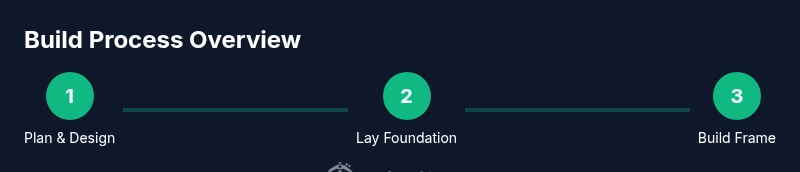
Set the Ground Plan
Begin with a scaled-down blueprint of the footprint, marking major rooms and vertical zones. Align your walls to a central axis to preserve symmetry and balance. Place corner references and doorways to ensure easy navigation between wings. Refer to your floor plan frequently as you build up levels to maintain proportion and flow.
Tip: Use a chalk or block marker plan on the ground to visualize footprint before placing walls; it reduces rework later. - 2
Lay the Foundation
Dig a shallow trench or level foundation line and lay the base using stone bricks or cobblestone. Elevate the core frame with vertical supports, ensuring doorways align with the planned corridors. A solid foundation prevents misalignment as the structure grows upward and keeps floors level across the whole build.
Tip: Double-check foundation corners with a square check (90-degree corners) before moving to the first wall layer to prevent skewed rooms. - 3
Build the Core Frame
Erect the main structural frame using repeating vertical supports and horizontal beams. Establish at least two floors by planning stair access in a central hall. Keep the frame modular so wings can be added later without major redesign. Visualize exterior proportions from multiple angles to maintain a grand silhouette.
Tip: Use contrasting block textures on frame edges to emphasize depth and dimension without increasing complexity. - 4
Raise Exterior Walls
Fill in exterior walls with your chosen palette (stone bricks with wooden accents work well). Leave window openings as planned and avoid cluttering elevations with too many small windows. This stage sets the house’s rhythm and rhythm of shade across the facade.
Tip: Stagger window patterns on successive floors to add visual interest while keeping lines clean and coherent. - 5
Install Doors, Windows, and Interior Partitions
Place doorways to match your floor plan, install glass panes for light, and add interior walls to define rooms. Use modular partitions that can be removed or expanded later without tearing down other rooms. Keep traffic flow intuitive—avoid dead ends and ensure natural paths connect core spaces.
Tip: Label rooms on your blueprint and note where heavy furniture or equipment will go to guide partition sizes. - 6
Add Roof and Elevation Details
Choose a roof style that complements your overall design (gable, hip, or flat with parapets). Build the roof frame with stairs and slabs to create scale and interest. Ensure roof lines align with interior ceilings to avoid awkward headroom or space losses.
Tip: Create a small roof section first to test angles before committing to the full span; adjust slopes in the test segment. - 7
Finish Exteriors and Landscaping
Apply final exterior textures and accents (porches, balconies, and arches). Add lighting posts and pathways with cobblestone or gravel. Landscaping with trees, hedges, and gates enhances curb appeal and integrates the house with its surroundings.
Tip: Plan exterior lighting to highlight key architectural features at night and deter hostile mobs. - 8
Rough-In Interiors and Final Checks
Install basic interior layouts: living areas, kitchen alcoves, storage, and bedrooms. Place storage shacks and workstations as planned. Do a final walk-through to check accessibility, lighting, and flow, adjusting any room sizes that feel cramped or oversized.
Tip: Keep spare blocks handy to quickly tweak room dimensions during the final pass.
People Also Ask
What makes a big Minecraft house successful?
A successful big house starts with a clear plan, balanced proportions, and functional room layout. Consistent materials and thoughtful lighting elevate the design, while scalability supports future expansion. This approach minimizes rework and keeps the build coherent.
A successful big Minecraft house starts with a clear plan, balanced proportions, and functional rooms. Consistent materials and good lighting elevate the design and allow easy expansion.
What materials work best for large builds?
Stone bricks, wood accents, and glass panes create a timeless, grand look for large builds. Use a limited palette to maintain cohesion, and reserve specialty blocks for focal points like arches or entryways.
Stone bricks with wooden accents look grand. Keep to a limited palette and highlight focal points with special blocks.
How should I plan the interior layout?
Start with a central circulation spine and place rooms off the spine to ensure smooth movement. Define primary zones (living, dining, working, rest) and add secondary spaces as needed. Leave room for future expansions without disrupting existing rooms.
Design a central spine and place rooms around it for easy movement. Leave space for future expansion.
Can I expand the house later?
Yes. Build with modular wings and attachment points that can be added without major restructuring. Keep foundation lines consistent so new wings integrate seamlessly.
Absolutely. Use modular wings and consistent foundations to add on later without major changes.
Creative vs Survival for big builds?
Creative mode accelerates planning and testing, but you can still build large, impressive homes in Survival with careful resource management and staging.
Creative helps planning; you can achieve big builds in Survival with good pacing and resource planning.
How do I avoid performance issues when building large structures?
Work in stages, limit block updates at once, and avoid overly complex redstone during the main build. Optimize lighting and chunk loading to keep framerates steady.
Build in stages, avoid heavy redstone, and optimize lighting to keep performance steady.
Watch Video
The Essentials
- Plan before building to save time.
- Use modular rooms for future expansion.
- Balance material choices for scale and cohesion.
- Light rooms well to prevent mobs and create mood.
- Document changes for easy upgrades later.