What Axolotls Eat in Minecraft: Diet, Breeding, and Tips
Learn exactly what axolotls eat in Minecraft, how feeding triggers breeding, where to find tropical fish, and practical farming setups to grow your underwater mob ecosystem.


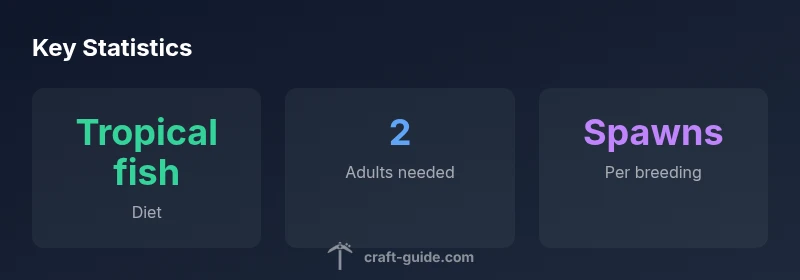
Axolotls eat tropical fish in Minecraft. To breed them, you must feed two adult axolotls tropical fish, which spawns a baby axolotl. This diet shapes underwater farming plans, since tropical fish are the primary food source for mating and for keeping axolotls healthy. Keep your pond stocked with tropical fish to sustain breeding runs.
What does axolotl eat in minecraft?
In Minecraft, axolotls eat tropical fish. This dietary preference is not just trivia: it determines how you breed them, manage an aquarium, and design underwater builds. The Craft Guide team emphasizes that tropical fish are the canonical food for adult axolotls, and feeding them is the reliable way to trigger breeding. For players, recognizing this exact food item reduces wasted attempts and keeps your underwater ecosystem efficient. Axolotls can be kept in tanks, rivers, or lakes within your builds, making them practical companions for exploration and mining trips beneath the waves.
Breeding basics: feeding and offspring
Breeding axolotls hinges on feeding. To breed two adults, you must feed each of them a tropical fish. When both are fed, they enter love mode and produce a baby axolotl after a short animation. The offspring are passive milestones in your underwater farms, and they’ll follow adult axolotls until they grow. Efficient breeders stock multiple adults and stagger feeding windows to keep a steady stream of babies, which is especially useful when you’re building large underwater bases. Remember: the tropical fish used for breeding must be the food item, not other fish, so plan your supply accordingly.
Finding tropical fish: habitats and collection tips
Tropical fish are most commonly found in warm oceans and rivers. To collect them, you’ll typically engage in fishing or explore biomes where warm water biomes exist. Consider setting up a shallow, well-lit farm near a warm water area to maximize your catches. When you forage tropical fish, keep an eye on the type of fish you’re selecting; only the tropical variety will trigger axolotl breeding. If you’re planning a long-term aquarium, creating a controlled biotope with gently flowing water can help maintain a healthy population of tropical fish and reduce tied-up resources in the long run.
How to obtain tropical fish: fishing and transporting tips
The easiest way to acquire tropical fish is by fishing, using a decent rod and luck to reel in multiple specimens in a session. You can also transport these fish using buckets, making it simpler to move your stock from riverbanks to your breeding tanks. When transporting, ensure you keep the fish alive; once placed in water, they’ll swim freely and become available for feeding. For breeding, you don’t need to keep the fish in water permanently—the fish you use to feed must be in item form, not buckets, so plan your inventory accordingly.
Feeding mechanics: what happens when you feed axolotls
Feeding two adult axolotls tropical fish triggers a brief “love mode” animation. After the animation completes, a baby axolotl typically spawns in the same water body where the adults were breeding. Feeding can be repeated with another pair to produce more offspring, which helps you scale an underwater farm or wildlife display. The axolotl’s response to food is reliable, making it easier to manage large populations without guessing when a spawn will occur. Always ensure your water is clean and well-oxygenated, since stable water conditions support faster growth and regular breeding cycles.
Practical farming setups: building an efficient axolotl farm
A compact axolotl farm can be designed with a central breeding pool and multiple smaller tanks for adults and juveniles. Use glass blocks to create a clear viewing area, enabling you to monitor breeding activity without disturbing the water. Include a gentle water flow to keep tropical fish circulating, which helps maintain a steady supply for breeding. Automated feeders or simple piston-enabled feeding mechanisms can ration tropical fish across pairs, reducing waste. Integrate the farm into your base’s aesthetic by pairing it with coral, kelp, and colorful blocks that echo an aquatic habitat. As you scale up, place separate tanks for adults, offspring, and potential spares to manage population dynamics and prevent crowding.
Common mistakes to avoid when breeding axolotls
Common mistakes include using non-tropical fish, attempting to breed with a single adult, or neglecting water quality. Avoid feeding non-tropical fish to axolotls, as this prevents breeding from triggering and wastes valuable resources. Keep at least two adult axolotls per breeding pool to ensure a successful spawn, and avoid overcrowding; overcrowding can stress animals and slow growth. Finally, don’t ignore the breeding cadence—spacing your feeding windows helps you maintain a predictable flow of offspring for your projects.
Quick breeding checklist for builders
- Ensure you have tropical fish stock ready for feeding
- Maintain at least two adult axolotls per breeding pool
- Keep tanks clean, with clear viewing angles for monitoring
- Use buckets or nets to transport specimens carefully
- Plan room in your base to accommodate future offspring growth
The bigger picture: axolotls in underwater ecosystems
Axolotls contribute to underwater ecosystems by preying on smaller fish and helping players manage mobs in aquatic builds. A well-planned axolotl setup can reduce pest mobs and create engaging, dynamic displays in your Minecraft world. By aligning your farming strategies with the axolotl diet, you can maintain a sustainable population while enhancing your underwater projects. Think of axolotls as a living mechanic that ties breeding, farming, and decorative builds together in a cohesive underwater habitat.
Axolotl diet and breeding basics
| Aspect | Detail | Notes |
|---|---|---|
| Diet | Tropical fish | Used for breeding two adults to spawn a baby |
| Breeding Mechanic | Feed two adults tropical fish | Triggers love mode and offspring spawn |
| Food Sources | Fishing or tropical fish in warm biomes | Collect fish for feeding and farming |
People Also Ask
What do axolotls eat in Minecraft?
Axolotls eat tropical fish. Feeding two adult axolotls with tropical fish triggers breeding, spawning a baby axolotl.
Axolotls eat tropical fish, and breeding requires two adults fed tropical fish.
Can axolotls eat other fish?
No. Only tropical fish count for feeding and breeding axolotls in the game.
Only tropical fish work for feeding and breeding.
Do buckets of tropical fish count for breeding?
Breeding uses tropical fish as the feeding item. Buckets are a transport item; use tropical fish in your inventory to feed.
Breeding needs tropical fish; buckets are just a transport container.
How long does breeding take?
There isn’t a fixed timer—when you feed two adults tropical fish, the game proceeds to spawn a baby axolotl after a short animation.
Breeding happens after you feed two adults tropical fish, with a brief animation before the baby appears.
Can axolotls be kept in an aquarium for decor?
Yes. Axolotls can be kept in aquariums and tank setups as decorative and functional underwater mobs, especially in breeding farms.
Absolutely, they look great in underwater tanks and farms.
“Understanding the axolotl diet is essential for efficient underwater farming in Minecraft. When you feed tropical fish to two adults, you trigger breeding and grow your underwater ecosystem.”
The Essentials
- Feed two adult axolotls tropical fish to start breeding
- Tropical fish are the only breeding food you should use
- Collect tropical fish via fishing or warm-water biomes
- Axolotls are neutral to players and can aid underwater builds
- Set up scalable breeding farms for large projects