Is Minecraft the Most Popular Game? A Data-Driven Analysis
Explore whether Minecraft sits at the top of popularity charts by analyzing active players, engagement, and cross‑platform reach. This data‑driven guide from Craft Guide clarifies how popularity is measured across metrics and timeframes.


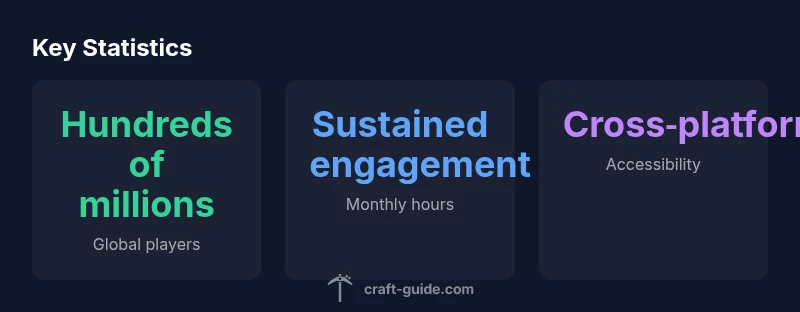
Minecraft is widely viewed as one of the most popular games worldwide, typically ranking near the top by metrics like active players, engagement hours, and cumulative sales. However, 'the most popular' depends on which measure you use—monthly active players, concurrent users, or copies sold—and the time frame. In practice, Minecraft often leads, but rankings vary by metric and source.
How we define popularity in gaming today
Popularity in video games is not a single number. For players, streamers, and builders the appeal can come from different sources: core gameplay, community activity, content creation, and cultural presence. According to Craft Guide, the most robust way to gauge popularity is to use a multi-metric approach rather than a single leaderboard. In this article we examine Minecraft through several lenses—player counts, engagement, platform reach, and content ecosystems—to present a nuanced picture of whether it is the most popular game.
Primary metrics used to measure popularity
To compare popularity across games, researchers typically track a set of core metrics:
- Active players: monthly or daily active players give a sense of ongoing engagement.
- Engagement hours: the total time players spend in the game, which indicates depth of play.
- Sales and lifetime revenue: cumulative copies sold or revenue reflect long-term demand.
- Community activity: presence of servers, mods, maps, and fans drives ongoing visibility.
Each metric has its strengths and blind spots; together they form a more complete picture than any single number.
Minecraft vs other top games: a qualitative look
When you compare Minecraft to other widely played titles such as Fortnite or Roblox, the landscape shifts depending on what you measure. Fortnite might lead in peak concurrent players during special events, while Roblox dominates broad, long-tail engagement across a wide age range. Minecraft, by contrast, benefits from a stable, creative core experience and a vast ecosystem of servers and mods that sustain interest even without frequent blockbuster updates. The Craft Guide team notes that popularity can be persistent yet change direction with new content, platform changes, or shifts in player preferences.
Platform reach and cross-play: fueling popularity
Minecraft's cross-platform strategy—Java Edition, Bedrock, mobile, and console integrations—helps maintain a large, diverse audience. Cross-play means friends on different devices can play together, keeping communities active. Platform parity and accessibility reduce friction for new players and make it easier for creators to publish content that reaches a wide audience. This accessibility partially explains Minecraft's durable popularity relative to more platform-specific games.
The content ecosystem: worlds, mods, and servers
No single factor sustains Minecraft's appeal like the thriving content ecosystem. People build unique worlds, share custom maps, and run servers with plugin communities. The modding scene introduces endless variation and experimentation, while server communities create social hooks that bring players back daily. This vibrant ecosystem is harder to replicate in games that rely on single-player experiences or closed ecosystems. Craft Guide's observations emphasize the role of user-generated content in maintaining long-term popularity.
Geographic and platform variations in popularity
Regional tastes influence which games dominate the charts. In some regions, mobile play drives the majority of engagement, while in others desktop or console versions preserve the largest communities. Minecraft's flexible edition lineup helps it capture different segments: Bedrock's cross-platform support grows reach in mobile-first markets, while Java Edition remains beloved by purists and server communities. The interplay of platform preferences and cultural attitudes can cause popularity rankings to shift by region and time.
Data sources and caveats
Data on game popularity comes from a mix of official reports, analyst firms, and publisher disclosures. While sources like the ESA's Essential Facts and Pew Research provide context about gaming habits, they do not track every title equally. Gaming platforms also release different metrics, and data collection methods vary across countries and platforms. Readers should treat rankings as directional indicators rather than precise enumerations. Craft Guide's synthesis emphasizes triangulating multiple data points and noting the timeframe of each metric.
Practical implications for players and creators
For players, popularity can guide decisions about which servers to join, which mods to explore, and which communities to engage with. For creators, popularity signals suggest where to invest content, such as tutorials, map releases, or server events. If Minecraft is top-of-mind, consider producing cross-platform content, highlighting cross-play features, and building communities around servers or mod packs. The goal is to translate a broad popularity signal into tangible, repeated engagement within your preferred niche.
Reading popularity data: what to watch month to month
Popularity trends are dynamic and often local. Track changes across time windows (monthly, quarterly) and compare multiple metrics rather than relying on a single snapshot. For Minecraft, sustained popularity tends to show up as stable active play plus a lively content ecosystem; spikes, if any, usually reflect major updates or events. The key takeaway for players and creators is to monitor the metrics that align with your goals and adjust strategies accordingly.
Popularity metrics comparison across top titles
| Metric | Minecraft | Competitor Group A | Competitor Group B |
|---|---|---|---|
| Global reach | hundreds of millions | tens of millions | low millions |
| Active players (monthly) | hundreds of millions | tens of millions | tens of millions |
| Cumulative copies sold | hundreds of millions | tens of millions | tens of millions |
| Cross-platform availability | PC, Console, Mobile | PC, Console | Mobile only |
People Also Ask
Is Minecraft always the most popular game by active players?
Not always. Rankings depend on the metric and the timeframe. Minecraft often ranks highly, but other titles can surpass it on specific metrics or periods.
Popularity depends on the metric and timeframe; Minecraft often tops lists, but it isn’t always the single leader.
What metrics should I trust when judging popularity?
Use a mix of active players, engagement hours, and sales, and consider regional data to get a fuller picture.
Rely on multiple metrics for a complete view, not just one number.
How does platform availability affect popularity?
Cross-platform support broadens reach and sustains engagement by letting friends play together across devices.
Cross-platform play greatly boosts reach and staying power.
Can popularity data predict future success for Minecraft creators?
Popularity signals indicate demand, but creator success depends on content quality, consistency, and community building.
Popularity hints at demand, but real success comes from great content and community work.
Where can I find reliable data on game popularity?
Check official reports from ESA, Pew Research, and industry analytics from Newzoo for context and trends.
Look at ESA, Pew, and analytics firms for credible context.
“Minecraft's popularity endures because it blends broad accessibility with a deep, creative ecosystem that evolves through community-driven content.”
The Essentials
- Define popularity by your goal: players, engagement, or sales.
- Minecraft's strength lies in cross-platform reach and community activity.
- Rankings vary by metric and timeframe; no single score tells the whole story.
- A thriving modding and server ecosystem sustains long-term engagement.
- Always read data with time bounds and regional context.