How to Make a Portal in Minecraft: Nether Portal Guide
Learn how to craft a Nether portal in Minecraft with step-by-step instructions, materials, and safety tips. Ideal for beginners and seasoned players seeking practical guidance.


You can make a portal in Minecraft by building a hollow rectangular frame with obsidian blocks and lighting it with flint and steel. Start by gathering 10 obsidian blocks, a diamond pickaxe, a water bucket, lava bucket, and flint and steel. Assemble the obsidian into a 4-by-5 frame with a 2-by-3 interior, then ignite to summon a purple Nether portal. This is the standard method for accessing the Nether.
What is a portal in Minecraft and why you might want one
In Minecraft, a portal is your gateway to another dimension. The most common portal is the Nether portal, which lets you travel to the fiery Nether for rare resources like glowstone, nether quartz, and unique mobs. According to Craft Guide, mastering portals is a foundational skill for efficient exploration and resource farming. If you’re asking, "in minecraft how do you make a portal?" you’re about to unlock fast travel that saves time and risk while expanding your build and survival options. The Craft Guide team emphasizes that portals aren’t just shortcuts; they open up a whole new set of biomes, materials, and challenges. This guide will walk you through the practical steps, safety tips, and best practices to build a portal confidently, from gathering obsidian to lighting the frame and returning home.
Tools, materials, and prerequisites you need before starting
Before you begin, gather essential materials and tools to ensure a smooth build. You’ll need 10 obsidian blocks (minimum) to create the frame, a diamond pickaxe to mine obsidian, a water bucket to convert lava into obsidian, and a lava bucket to source lava if you don’t have nearby lava. Flint and steel is your ignition tool. It’s also smart to carry extra blocks and a safe escape route, especially if you’re dealing with lava lakes or hostile mobs. In addition to the core items, consider bringing a spare weapon, armor, and torches when exploring the Nether for the first time. Planning ahead reduces the chance of panic or mistakes during the build and helps you stay safe when you return to the overworld.
Laying out the Nether portal: frame size and placement
The Nether portal frame is a hollow rectangle with a specific size. Place obsidian blocks to form a frame about 4 blocks tall and 5 blocks wide, leaving a 2-by-3 interior opening. The exact distance from your base matters: build your portal in a location with a clear approach to avoid lava pools or hostile mobs. Double-check that the interior is empty and that the frame is level. You can mark the corners first with blocks to ensure symmetry, then fill in the sides. A neatly aligned portal is less prone to misfires or misplacement, especially on multiplayer servers where resets or block updates can be confusing.
Lighting the portal and verifying activation
Equip flint and steel and ignite any block inside the frame. The portal will immediately glow with purple swirl particles, indicating successful activation. If nothing happens, recheck the frame: ensure there are no missing obsidian blocks and that the interior is hollow. Some players accidentally omit a corner block or misplace a side block, which prevents activation. In addition, verify you’re standing in front of the portal while lighting it; sometimes a misfire occurs if you’re too close or behind the frame. If you’re on a server with plugins or mods, ensure the portal mechanic hasn’t been altered by the server rules.
Entering the Nether and backtracking safely
Step through the glowing portal to enter the Nether. When you’re ready to return, simply step back through the portal to be teleported to the overworld. Before entering, scout your exit location and plan a safe route back to your base. In the Nether, environmental hazards are common: lava lakes, hostile mobs like ghasts, and treacherous terrain. Bring building materials to create bridges and barriers, and consider placing torches to reduce mob spawns in your Nether base. Remember, you can create multiple portals to shorten travel if you plan on frequent Nether trips.
Maintaining your portal setup and troubleshooting common issues
Nether portals require periodic maintenance if you alter nearby blocks or use the area for farming. Avoid moving the portal frame once activated, as that can cause the portal to vanish or malfunction on some versions. If a portal stops working, recheck the frame for missing blocks or gaps, confirm you have the correct interior dimensions, and ensure you’re in the same game dimension (some servers apply anti-portal rules). For survival players, keeping a spare stack of obsidian near your base can quick-fix many problems. Craft Guide recommends documenting portal locations on a map to prevent getting lost during nether expeditions.
Tools & Materials
- obsidian blocks(10 blocks minimum; more can reinforce the frame)
- diamond pickaxe(needed to mine obsidian blocks)
- water bucket(to convert lava into obsidian)
- lava bucket(to source lava if you don’t have a nearby pool)
- flint and steel(final ignition tool)
- torches or lights(optional for Nether lighting and safety)
Steps
Estimated time: 15-30 minutes
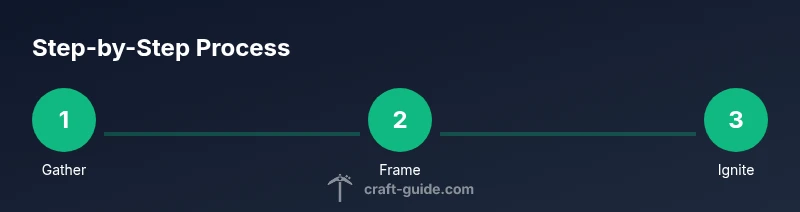
- 1
Gather the materials
Collect 10 obsidian blocks, a diamond pickaxe, a water bucket, a lava bucket, and flint and steel. Having all items ready prevents mid-build trips to stock up minerals or tools.
Tip: Carry extra blocks for quick adjustments and a spare water source in case you need to cool lava for a quick replacement. - 2
Prepare the frame layout
Choose a flat area and mark a 4-by-5 rectangle to form the portal frame. The interior opening should be 2 by 3 and hollow. Verify the frame’s corners are aligned for proper activation.
Tip: Use temporary blocks to outline the frame before placing obsidian; this helps avoid misplacement. - 3
Place the obsidian blocks
Assemble the frame by placing obsidian blocks around the outline. Ensure you complete all sides, leaving the interior clear. You’ll typically place 10 blocks for the minimum frame.
Tip: Double-check each corner block to ensure it’s solid; a single missing block can prevent portal activation. - 4
Ignite the portal
With flint and steel, ignite the inner edge of the frame. The portal should instantly activate, showing swirling purple particles.
Tip: If the portal doesn’t light, recheck the interior and outer blocks; even a minor gap can stop activation. - 5
Test traversing to the Nether
Step through the portal to enter the Nether. Carry a return path plan and ensure your exit is in a safe, reachable location back in the overworld.
Tip: Always place markers or build a quick bridge back toward your survival base to avoid getting lost. - 6
Safe return and backups
When leaving the Nether, check for threats and secure pathways to your base. Store extra obsidian near your portal for future repairs or expansions.
Tip: Keep a spare portal location mapped in your world to reduce long travel times when returning from the Nether.
People Also Ask
How many obsidian blocks do I need to build a Nether portal?
You need 10 obsidian blocks to form the basic frame of a Nether portal. The interior opening should be hollow and measure approximately 2 by 3 blocks. You can add more obsidian to create a larger frame, but the minimum is 10 blocks.
You need 10 obsidian blocks for the basic Nether portal frame. The interior opening is about 2 by 3 blocks, and you ignite the frame with flint and steel to activate the portal.
Can I build a portal without lava or water in their blocks?
No. Obsidian is formed when water touches lava. You must either mine lava with a bucket or find a lava source and pour water on it to create obsidian blocks, which you then place in the portal frame.
No. You need lava and water to form obsidian. Use a bucket to collect lava, then pour water to form obsidian for the frame.
What are the portal’s exact dimensions?
The standard Nether portal uses a frame that’s 4 blocks tall and 5 blocks wide, with a hollow interior of 2 by 3 blocks. This is the commonly used and supported size in most game versions.
The portal is typically a 4 by 5 frame with a 2 by 3 interior opening.
Is the Nether portal usable in all game versions?
Nether portals have been a core feature in many Minecraft versions. If you’re playing an unusual server or a modified environment, rules may differ, but in standard vanilla Minecraft, portals work across major editions.
Portals work in most vanilla Minecraft versions, but some servers or mods may alter portal behavior.
What should I do if the portal won’t activate?
Check that every edge block is present and that the interior is hollow. A single missing frame block or a misaligned corner can prevent activation. Rebuild if necessary and try again.
If it won’t activate, verify the frame and interior are correct; even a single missing block can stop activation.
What resources can I obtain from the Nether portal trip?
The Nether is rich in unique materials like glowstone, nether quartz, and various Nether mobs. Plan your trip based on your resource goals and the layout of your world.
In the Nether you’ll find glowstone, quartz, and other rare resources for builds and redstone projects.
Watch Video
The Essentials
- Build the 4x5 obsidian frame with an empty interior to create a Nether portal.
- Gather 10 obsidian blocks and the right tools for a smooth setup.
- Ignite the portal to activate and travel to the Nether safely.
- Prepare a safe return route and map exit locations to avoid getting lost.
- Keep spare obsidian and plan for future portal expansions or backups.