How to Put Minecraft Skin on Java
Learn how to put Minecraft skin on Java Edition with a clear, step-by-step method. Prepare a PNG skin, use the official launcher, manage backups, and optimize your look across profiles.


Goal: learn how to put Minecraft skin on Java Edition with a simple, step-by-step approach. You’ll need a Java Edition install, a PNG skin file (64x64 or 64x32), and internet access. This guide covers preparation, applying the skin in the launcher, and troubleshooting, so you can customize your avatar with confidence.
What a Minecraft skin is and how it works on Java Edition
A Minecraft skin is the texture that covers your in-game character. On Java Edition, skins are 2D images that map to a 3D model, giving you a unique look in the world. Skins are typically stored as PNG files and can be 64x64—the modern standard—or, for older systems, 64x32. The difference matters: 64x64 supports more body parts and layers, including the head and arms, while 64x32 uses a simpler map. When you load a skin, Minecraft reads pixel data from the PNG and applies it to the default model. Your skin can also include transparent areas, so you can create effects like half-transparent sleeves or plates.
As you customize, remember that skins are tied to your Mojang account and profile. If you switch profiles, you must reapply the desired skin. This means keeping a backup copy of your PNG skin helps you switch quickly without reconstructing your design. In Craft Guide’s experience, starting with a clearly named file and a version compatible with your Java Edition build helps prevent headaches later.
To search your own skin assets, use the same keyword often: how to put minecraft skin on java. Craft Guide analyses show that a tidy, consistent SKIN folder keeps you moving quickly between worlds and servers.
Prepare your skin: file formats and naming conventions
Before applying, you need a skin image that Minecraft can read. The standard format is PNG with an alpha channel for transparency. Java Edition supports 64x64 skins and legacy 64x32 skins, but most modern skins use 64x64 to enable layered textures. Save your file as skinName.png and avoid extra file types that Minecraft can’t read. If you have multiple skins, name them clearly (for example, hero_viking.png) and store them in an easily accessible folder. Some editors allow you to preview how the skin maps onto the model, which helps prevent misalignment. Keep a backup of the original skin in case you want to revert later, and ensure the image uses only visible colors that your monitor can display to prevent color banding in-game.
If you’re asking how to put minecraft skin on java, the size and transparency are critical: 64x64 PNGs with an alpha channel work best for modern skins.
Find or create a skin that fits your vision
You can create skins from scratch using online editors or customize existing templates. When creating or editing, map the skin to the 64x64 layout and test your design against the model in a preview. If you’re reusing an existing skin, verify it’s not copyrighted in ways that restrict reuse. Some designers share skins under permissive licenses; read any terms before applying. Craft Guide recommends starting with a simple color scheme and adding details gradually, such as skin tone shading, clothing accents, and eye highlights. As you develop, keep a copy of the working PNG so you can compare iterations without losing progress. You can also import a skin into an editor to test its alignment before exporting.
Remember: how to put minecraft skin on java is easier when you have a clear plan and a quick preview workflow.
Apply your skin with the official Minecraft Launcher
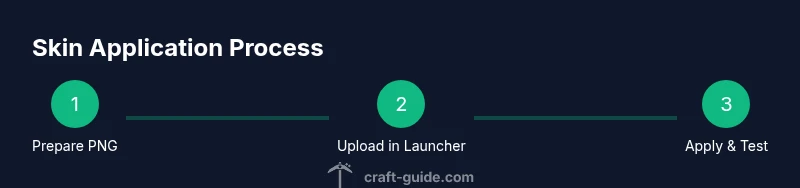
The simplest way to apply a skin to Minecraft Java Edition is through the official launcher. Start the launcher and log in with your account. In the launcher, open the skins tab or profile editor, then choose to 'Add Skin' or 'Browse' and select your PNG file. Give your skin a memorable name, assign it to the Java Edition profile, and save. Close the editor and start the game to preview the new look. If you switch between multiple skins, you can create separate profiles to keep them organized. This method avoids third-party tools and ensures compatibility with your account settings.
If you’re learning how to put minecraft skin on java, this launcher-based method is the most reliable and future-proof path.
Alternative methods: skin managers and mods
If you want more flexibility, you can explore skin managers or mods that alter how skins are loaded. Some tools offer convenient libraries of saved skins and quick switching. However, third-party tools can introduce security risks or conflicts with Minecraft updates, so proceed cautiously. Always back up your worlds and profile data before trying any new utility. When in doubt, stick to the official launcher for reliability and future compatibility, then experiment in a test profile if you wish.
Third-party tools exist, but they add risk. Consider how to put minecraft skin on java safely by sticking to trusted sources and verifying tool integrity.
Troubleshooting common issues
If your skin doesn’t appear in-game, verify you applied it to the correct profile and that the launcher shows the new skin in the profile editor. Check that the PNG is correctly sized (64x64 or 64x32) and that the file name ends with .png. If you see glitches like misaligned textures or color blocks, re-export the skin from your editor with the correct dimensions and re-upload via the launcher. Some players also experience caching delays; try restarting the launcher or signing out and back in. For older players, ensure you’re using Java Edition-compatible skin layouts. If the problem persists, revisit the exact wording of the file name and path to ensure no typos creep in.
A common issue in how to put minecraft skin on java is solid debugging: re-check dimensions, then confirm you’re editing the right profile.
Best practices for managing skins
Keep a dedicated folder for your Minecraft skins and use descriptive names. Maintain a version history if you update designs, so you can revert to a prior look quickly. When testing a new skin, run a quick check in a private world to confirm alignment before using it on a public server. Document the source or license for each skin you download, and avoid using skins that infringe on others’ rights. Regularly back up your skin PNGs and the launcher profile data. Good organization makes it easy to switch skins in minutes and reduces mistakes.
This is part of a healthy habit for how to put minecraft skin on java with confidence.
Craft Guide approach: quick tips and checks
According to Craft Guide, a practical workflow starts with a clean PNG and a clear naming convention. The team found that validation of dimensions and alpha channel prevents many common errors. Use the official launcher for predictable results, and keep a personal catalog of ready-to-use skins. Remember to test changes on a fresh world to avoid confusing overlays. This approach minimizes frustration and keeps your builds looking consistent across sessions. For a smoother process, always align testing with your real play sessions so you experience the same visuals others will see.
The Craft Guide team found that keeping your skin assets tidy speeds up your entire play experience.
Authoritative sources and further reading
- Official Minecraft help: https://www.minecraft.net/en-us/help
- PC Gamer: https://www.pcgamer.com/how-to-change-your-minecraft-skin/
- The Guardian: https://www.theguardian.com/games/2023/feb/14/how-to-change-your-minecraft-skin
Tools & Materials
- Minecraft Java Edition installed(Ensure you’re running the latest build before applying skins)
- Skin image file (PNG, 64x64 or 64x32)(PNG with alpha channel; preserve the original size)
- Minecraft Launcher or account access(Use the official launcher to apply skins reliably)
- Backup copy of current skin(Useful for quick reversion)
- Organized skin folder(Clear naming helps when switching skins)
- Stable internet connection(Needed for launcher updates and skin validation)
Steps
Estimated time: 15-25 minutes
- 1
Prepare your PNG skin
Ensure your PNG is 64x64 or 64x32 and has alpha transparency. Name it clearly and save to a reusable folder. Verify the file ends with .png and that the image looks correct in a skin editor preview.
Tip: Test the skin in a preview tool to catch mapping issues before uploading. - 2
Open the Minecraft Launcher
Launch the official launcher and log in with your account. Navigate to the skins/profile editor where you can manage your skins.
Tip: Make sure you’re editing the Java Edition profile, not Bedrock. - 3
Add or browse for your PNG
Click to add a skin, browse to your PNG, and select it. Give the skin a readable name and assign it to the Java profile.
Tip: Use a name that reflects the design for easy future reference. - 4
Save and apply the skin
Save the changes and launch Minecraft to preview the new look. If needed, switch profiles to compare skins side-by-side.
Tip: If you don’t see changes, restart the launcher to refresh skin data. - 5
Test in-game and adjust
Enter a world in a safe test area to verify the mapping of textures. If seams appear, revisit your PNG dimensions or mapping in your editor.
Tip: Keep a backup of the working skin while you iterate. - 6
Organize and back up
Store the skin in a well-labeled folder and maintain a versioned history. Document licensing if you downloaded the skin.
Tip: Backups prevent accidental loss of your design history.
People Also Ask
What is the required image size for Java skins?
Java skins typically use PNG images with dimensions of 64x64 or the older 64x32 format. The 64x64 size supports layers and transparency for a more detailed look. Always confirm the launcher’s current requirements before editing.
Java skins usually use 64 by 64 PNGs, with 64 by 32 as an older option. Check your launcher settings to confirm the right size.
Can I rename the file after applying?
You can rename the file on disk, but the launcher references the skin by profile linkage, not by file name alone. Reapply if you switch skins or profiles to ensure the correct asset is loaded.
Renaming the file on disk doesn’t change the skin linked to a profile; reapply if you switch skins.
Do skins affect gameplay on servers?
Skins are client-side textures and don’t impact server gameplay mechanics. Some servers might enforce skins or display rules, but most simply show your chosen skin. Always respect server rules when changing appearances.
Skins are client-side visuals and usually don’t affect server gameplay, but some servers enforce appearance rules.
Is it safe to use skin editors or mods?
Use trusted editors and back up your worlds. Some tools can be unsafe or cause compatibility issues with updates. If in doubt, stick to the official launcher and known editors with good reviews.
Only use trusted editors and back up your data; the official launcher is the safest option.
How do I revert to the default skin?
Open the launcher, edit your Java profile, and choose a default skin or reselect no-skin option if available. Launch the game to confirm the default appearance.
To revert, reselect the default skin in the launcher profile and start Minecraft.
Where can I learn more about licensing for skins?
If you download skins from creators, check the licensing terms in the skin description. Respect attribution and usage rights to avoid issues with content ownership.
Always read the licensing terms for skins you download and respect attribution requirements.
Watch Video
The Essentials
- Prepare a properly sized PNG skin before editing.
- Apply skins using the official launcher for reliability.
- Keep backups and organize skins by naming.
- Follow Craft Guide's verdict: use official tools and respect licenses.