How to Make Smooth Stone in Minecraft
Learn how to make smooth stone in Minecraft with a clear furnace-based method. Step-by-step guide, fuel tips, and batch strategies to speed up builds.


To make smooth stone in Minecraft, you smelt stone in a furnace to turn it into smooth stone. Start by gathering stone (or cobblestone), build or locate a furnace, and stock fuel (coal, charcoal, or lava). Smelt cobblestone into stone, then smelt that stone again into smooth stone for use in builds.
What smooth stone is and why builders use it
Smooth stone is a refined block with a clean, uniform texture that helps create modern builds, floors, and decorative walls. In Minecraft, you don't craft smooth stone directly; you obtain it by smelting regular stone in a furnace. The result is a brighter, more polished surface that contrasts well with cobblestone, glass, and wood. For players focused on building aesthetics, smooth stone offers a reliable material that ages well in both daylight and dim lighting. When you learn how to make smooth stone in minecraft, you unlock a straightforward pathway from common stone blocks to a high-quality facade. The process is also efficient for players who mine a lot of stone and want to turn it into a finished product without extra crafting steps. Across survival worlds and creative plots, smooth stone guides your builds toward a cohesive, professional look. This guide uses plain steps and practical tips so you can apply the technique quickly, even if you rarely work with furnaces.
Where to find stone and the fuel you need
Stone is abundant in the overworld, especially in caves and exposed cliffs. You’ll also encounter cobblestone while mining, which can be smelted into stone first. For fuel, you can use coal or charcoal, and even lava buckets in a pinch. Wood-derived fuels (planks, sticks) work but are less efficient for larger batches. To stay efficient, plan for a steady supply of fuel before you start smelting. In practice, many builders keep a dedicated fuel chest near their workstation so they don’t interrupt progress. When you’re learning how to make smooth stone in minecraft, having ready access to both stone blocks and fuel minimizes trips back to the mines and speeds up workflows.
The smelting chain explained: cobblestone to stone to smooth stone
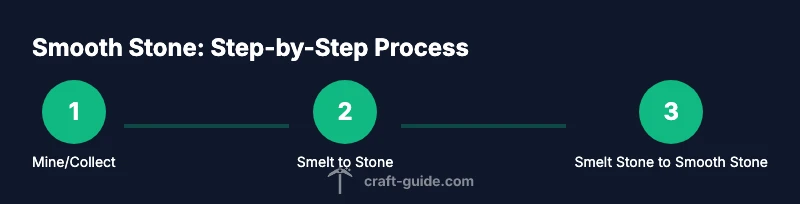
The standard path to smooth stone is a two-step smelting chain. First, smelt cobblestone (or stone) into stone using a furnace with fuel. This step creates stone blocks. Next, smelt the stone blocks again to produce smooth stone. There is no direct crafting recipe for smooth stone in vanilla Minecraft, so the furnace is your primary tool. This chain is efficient because cobblestone is plentiful and you can batch process many blocks at once. If you mine large quantities of stone, adopting this chain saves time and creates a consistent look across your builds. Remember that fuel efficiency matters, so plan to smelt multiple stones in one furnace run when possible.
Furnace setup for speed and efficiency
A properly organized furnace setup reduces trip time and fuel waste. Place the furnace on a stable surface, connect nearby chests for inputs and outputs, and keep a dedicated fuel source within easy reach. For batch processing, consider creating a small furnace row or a back-end furnace array so you can run several smeltings in parallel. In addition, using a smoker is not appropriate for stone smelting (smokers are optimized for cooked foods). The key is to maintain a steady supply of cobblestone and fuel while your furnaces process blocks. With good organization, you can transform stone into smooth stone with minimal downtime.
Practical build ideas and time considerations
Smooth stone shines in modern-style houses, floors, and interior walls. Its clean texture pairs nicely with white concrete, glass, and dark oak. When planning a project, estimate how many blocks you’ll need and prepare stone quantities in batches to prevent interruptions. If you’re building large areas, a multi-furnace layout can dramatically cut the total time spent on smelting. Practical builders often dedicate a single room to the furnace workflow, outfitting it with additional chests, hoppers, and signs to keep inventories tidy. While you won’t see a dramatic difference in the aesthetic of a single block, consistent use of smooth stone across an entire build yields a cohesive, high-quality result.
Common mistakes and how to avoid them
A few frequent missteps can slow you down. Don’t attempt to smelt cobblestone directly into smooth stone in one step; use the two-stage process (cobblestone -> stone -> smooth stone). Make sure you have enough fuel and never let the furnaces run dry. Don’t forget to collect the finished blocks and store them properly; losing track of outputs can derail large projects. Finally, avoid overcomplicating the setup with too many moving parts—start with a simple furnace and a chest near your mining area, then expand if you need higher throughput.
Advanced batch-processing tips for big projects
For serious builders, a small furnace corridor with several furnaces running in parallel is a game changer. Link inputs and outputs with hoppers to automate transfer from input chests to furnaces and from furnaces to storage chests. Use multiple fuel sources for redundancy; coal and charcoal provide stable options, while lava buckets can extend fuel duration in a pinch. Label each furnace’s output to avoid confusion and ensure you’re always pulling smooth stone from the right stack. This approach keeps larger projects on schedule and reduces manual hauling.
Tools & Materials
- Furnace(Craft a furnace from 8 cobblestone; place on a stable surface near inputs and outputs.)
- Cobblestone(Mine or craft cobblestone; used to build both furnaces and as input for the first smelting step.)
- Stone blocks(Collected by smelting cobblestone in a furnace to produce stone.)
- Fuel (coal, charcoal, or lava bucket)(Coal or charcoal is standard; lava buckets can extend fuel duration in a pinch.)
- Chests(Store inputs and outputs near the furnace for faster workflow.)
- Hopper(s) (optional)(Automate input/output flow in larger setups.)
Steps
Estimated time: 15-30 minutes
- 1
Gather materials and prepare space
Mine or collect cobblestone and stone, then craft a furnace. Clear a small work area and place input/output chests nearby for quick access. This initial setup reduces back-and-forth trips later.
Tip: Set up a small inventory area to keep your fuel separate from stone blocks for faster access. - 2
Create a furnace and fuel supply
Place the furnace on a solid block and fill its fuel slot with coal or charcoal. Keep a separate fuel stash nearby so you don’t interrupt smelting when a batch runs low.
Tip: Label fuel storage with signs or a chest to avoid mixing fuels. - 3
Smelt cobblestone to stone
Add cobblestone to the furnace input and start smelting using available fuel. Collect stone once output is ready and prepare it for the next stage.
Tip: Smelting in batches reduces fuel waste; aim for multiple cobblestone blocks per furnace cycle. - 4
Smelt stone to smooth stone
Place the produced stone back into a furnace input and smelt again with fuel. The result is smooth stone ready for use in builds.
Tip: Keep an eye on furnace temperature and fuel levels to prevent idle time. - 5
Collect, store, and reuse
Withdraw the smooth stone and store it in a dedicated chest or storage area. Reuse fuel and continue batch processing as needed for ongoing projects.
Tip: Regularly refill inputs to maintain a smooth workflow across your builds.
People Also Ask
Can you obtain smooth stone without a furnace?
No. In vanilla Minecraft, smooth stone is obtained by smelting stone in a furnace. There is no direct crafting recipe for smooth stone itself.
Smooth stone requires a furnace for transformation from stone, there is no direct crafting alternative.
Do you need coal to smelt?
Coal or charcoal is the standard fuel, though lava buckets can be used in a pinch. Any burnable fuel that powers a furnace will work for this process.
Coal or charcoal powers the furnace; lava can also be used if available.
Is there a direct crafting recipe for smooth stone?
No. Smooth stone is produced only by smelting stone in a furnace. This applies to both Java and Bedrock editions.
There isn't a direct craft for smooth stone; it comes from smelting stone.
Can I speed this up with a blast furnace or smoker?
No. Regular furnaces are used for stone and smooth stone. Smokers only affect cooked foods, not stone smelting. For speed, increase furnace count and batch process.
Blast furnaces don’t help with stone; use more furnaces for speed.
How much smooth stone do you get per stone block?
One stone block yields one smooth stone when smelted. This keeps the ratio simple for planning large builds.
One stone becomes one smooth stone per smelting cycle.
Are there version differences I should know?
The basic furnace-smelting method works in current Java and Bedrock editions. Minor UI differences may exist, but the process remains the same.
Process is the same across modern Minecraft versions.
Watch Video
The Essentials
- Smelt stone to smooth stone via a two-step chain.
- Use a furnace, fuel, and organized storage for efficiency.
- Batch processing with multiple furnaces speeds up builds.
- Plan inputs and outputs to minimize trips during large projects.