Minecraft Tree House: A Practical Sky-Base Build Guide
Learn how to build a sturdy, aesthetically pleasing minecraft tree house with practical steps, materials, and safety tips. This guide covers design, access, lighting, and expansion ideas for players of all levels.


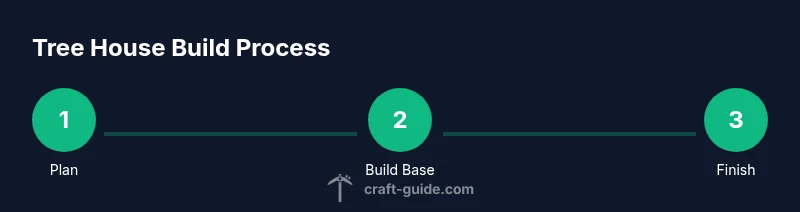
By following this guide, you will create a sturdy, aesthetically pleasing minecraft tree house that functions as a compact base. You'll learn material choices, structural steps, and safety considerations to keep your build balanced and climbable. This tutorial assumes basic crafting and mining skills and emphasizes practical design that works in most biomes.
Design Principles for a Minecraft Tree House
According to Craft Guide, successful tree houses balance stability, accessibility, and visual charm. Start with a solid trunk anchor and design a compact footprint that fits around the tree rather than forcing it to fit your plan. Prioritize modular sections that can be expanded later without reworking the entire structure. Use guarded railings, appropriate lighting, and a level deck that respects the tree's natural shape. This approach keeps gameplay smooth and aesthetic appeal high as you climb. For players, this mindset reduces trial-and-error work and speeds up future expansions.
Structural Foundations: Bases, Supports, and Accessibility
Begin with a tree health assessment and trunk diameter check in order to decide the best anchor point. In Minecraft terms, your goal is a sturdy anchor that won’t wobble under a jump or an explosion. Build a circular or square base around the trunk using wood logs and planks, then add vertical supports using logs or fences. Connect the trunk to the deck with a short central column and use staircases or ladders for safe access. Leave space for a future extension and distribute weight across multiple supports to prevent a single weak point. Accessibility options, such as a ladder on the outer wall and a rail around the deck, improve safety and gameplay flow.
Interior Layout and Practical Features
Plan at least two distinct zones: a compact living area and a crafting nook. Place a chest, furnace, and an anvil if you want to work on gear; surround the space with walls that provide some privacy but keep sightlines to the outside. Use stairs or slabs to create different floor heights and maximize vertical space. Lighting is essential to prevent hostile mobs from spawning; place torches or lanterns in corners and along railings. Small touches, like flower pots or item frames, add personality without overcrowding the space. Craft Guide notes that practical layouts save time during survival runs by reducing wandering between levels.
Exterior Details and Aesthetics
The outside should feel like a natural extension of the tree. Use leaf blocks, vines, or trapdoors to blend with the canopy. Add windows with glass panes for visibility and airflow. For protection, wrap the deck with a railing made from fences and add a shaded overhang with slabs to keep rain off the entry. Finish with a distinct color palette—perhaps oak for warmth or dark oak for a rustic vibe. The formed silhouette should read as a light, functional base rather than a bulky fortress.
Authority sources and further reading
To ground your build in practical design concepts, consult authoritative sources on real-world treehouse design and safe elevated structures. United States Forest Service provides general arboreal design principles; university extension programs offer practical build tips; and Nature, a major scientific publication, highlights design thinking and materials science that can inspire Minecraft builds. These sources help you plan a durable, safe, and visually pleasing tree house.
Tools & Materials
- Wood logs (any type)(Gather logs for frame and trunk anchor)
- Wood planks (any type)(Floor, walls, and deck surfaces)
- Wood stairs (any type)(Access between levels)
- Wood slabs (any type)(Create varied floor heights and rail accents)
- Fences (any type)(Railings around decks and walkways)
- Ladders(Alternative access up the tree)
- Scaffolding(Temporary support while building at height)
- Torches or lanterns(Lighting to prevent mobs and improve visibility)
- Leaves or vines (decorative)(Camouflage and aesthetic accents)
Steps
Estimated time: 90-150 minutes
- 1
Select a sturdy tree
Scout for a healthy trunk with broad diameter and stable canopy. Confirm the tree has no visible cracks or weak limbs. Decide base height and deck footprint, then sketch a simple plan for later expansion.
Tip: Take a quick in-game screenshot of your plan to avoid backtracking. - 2
Prepare base platform
Build a circular or square base around the trunk using logs and planks. Keep the base slightly offset to accommodate the trunk and allow space for future extensions. Ensure your base is level and securely anchored to the trunk area.
Tip: Use scaffolding to reach higher corners while keeping the base square and stable. - 3
Add central support and deck
Create a central support column that ties into the deck around the trunk. Extend the deck outward with planks and reinforce with light posts. Avoid overloading a single branch by spreading support across multiple points.
Tip: Place a small overhang to shield the entry from rain and mobs. - 4
Create access route
Install ladders along the trunk or a compact staircase for safe ascent. Test reach and ensure there is a clear path from ground to deck. Keep a secondary exit in case you need an emergency route.
Tip: Keep ladders on the exterior for quick escape during early survival runs. - 5
Frame interior rooms
Mark two zones: living/storage and crafting. Install partial walls and a floor between levels to maximize usable space. Ensure headroom and smooth sightlines to the outside.
Tip: Use slabs to create varying heights without consuming excessive resources. - 6
Install railings and lighting
Place fences around the deck with a tidy gap for accessibility. Add torches or lanterns at corners and along rails to deter mobs and improve visibility at night.
Tip: Keep lighting evenly spaced to prevent dark corners. - 7
Exterior touches and camouflage
Add leaf blocks or vines to blend the structure with the canopy. Install glass panes for windows to improve airflow and visibility. Choose a cohesive color palette for a welcoming vibe.
Tip: Decorative touches should not compromise accessibility or safety. - 8
Test and refine design
Walk the entire structure in both day and night conditions. Check for wobble, accessibility gaps, and lighting coverage. Make small adjustments to improve stability and flow.
Tip: Document changes with screenshots for future builds.
People Also Ask
What is the best tree type for a Minecraft tree house?
There isn’t a single best tree type in Minecraft; choose a sturdy trunk with a thick diameter and a reachable canopy. Oak variants are common and versatile for builds.
Choose a sturdy trunk with a thick diameter, like oak variants; they’re the most versatile for tree houses.
How high should the tree house be built?
Aim for a base height around 4–6 blocks above ground, depending on canopy density. Keep it within reach for safe climbing and expansion planning.
Start around four to six blocks up, adjusting for canopy and accessibility.
Which blocks work best for the frame and railings?
Use wood logs and planks for the frame and fences for railings. This combination is sturdy and easy to extend.
Wood logs, planks, and fences give a strong, expandable frame with safe rails.
Can I expand a tree house later?
Yes. Design the base and supports with modular sections that can attach to the trunk. Plan future access routes and deck extensions from the start.
Yes—plan modular sections that can be added later without rebuilding the whole structure.
What safety considerations should I plan for?
Prioritize railings, sufficient lighting, and clean access paths. Use ladders or stairs and test movement across all levels to prevent accidental falls.
Ensure rails, lighting, and clear access paths to prevent falls and mobs.
What are common mistakes to avoid?
Overloading a single branch, ignoring lighting, and making access too awkward. Plan each level to stay visually clear and safe.
Avoid overloading a branch, miss lighting, or awkward access; plan for safety and clarity.
Watch Video
The Essentials
- Choose a strong tree and plan layout before building
- Use modular sections for future expansion
- Install rails and lighting for safety and ambiance
- Keep access simple with ladders or stairs
- Test stability at multiple heights during construction