Minecraft the New Version: What to Know for Builders and Players
An in-depth, data-driven guide to the Minecraft the new version—features, performance, and modding impacts for builders and players in 2026. Practical upgrade tips, build ideas, and what to watch for across platforms.


minecraft the new version represents a meaningful evolution in world-building and gameplay polish. The latest release emphasizes expanded biomes, more adaptive terrain, and improved performance across platforms, while maintaining backward compatibility with many existing worlds. For builders and explorers, this update expands creative possibilities without sacrificing stability. Craft Guide's analysis highlights a balanced mix of content density and accessibility, making the update approachable for beginners and compelling for veterans.
What the new version means for builders and explorers
The minecraft the new version arrives with a philosophy of expanding creative latitude while preserving the game’s signature clarity. According to Craft Guide, the release emphasizes consistent world-building tools, more diverse biomes, and better accessibility for new players without alienating seasoned builders. In practical terms, you’ll find additional blocks and materials that synergize with existing systems, new structures to inspire creative builds, and a refreshed progression for resource gathering. For players who focus on exploration, the version adds more varied terrain generation, deeper cave systems, and optional experimental features you can toggle in settings. Builders will notice that new materials unlock more block palettes for texture packs and redstone contraptions, making farms and circuits more compact or expansive depending on design goals.
Core features: biomes, blocks, mobs, and more
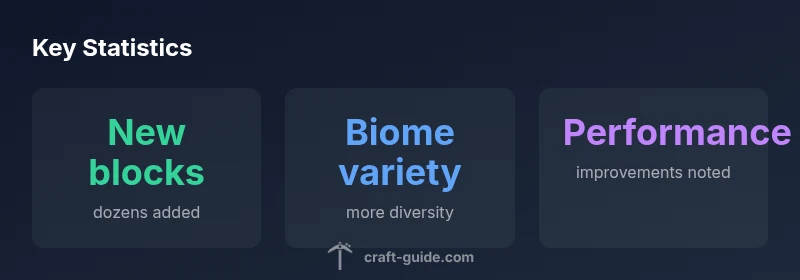
The new version introduces expanded biomes with unique climates, terrain features, and vegetation that affect gameplay and aesthetics. Expect more block variants, including decorative blocks that simplify detailing and save time. New mobs provide fresh resources and challenges, encouraging players to experiment with farms and combat strategies. Quality-of-life improvements include inventory management, smoother chunk loading, and more reliable world generation. Across platforms, performance optimizations aim to reduce stutter and improve frame rates on mid-range hardware. Modding and third-party tools continue to adapt, with favored mod loaders updating compatibility guidelines.
Performance, compatibility, and modding
Performance improvements are designed to deliver steadier frame rates across diverse hardware, with asynchronous loading and texture streaming reducing stutter. Compatibility questions are common after any major update, so plan on checking world compatibility and possible block behavior changes. For players who use Forge or Fabric, expect updates that restore compatibility while encouraging adaptive mod configurations. Craft Guide recommends testing critical mods in a separate test world before upgrading a primary save, and highlighting the importance of backups.
World-building implications: terrain generation and building systems
Terrain generation algorithms have been refined to create more varied landscapes without sacrificing generation speed. The new blocks enable richer detailing and micro-architectural opportunities, from balcony rails to ornate lighting. Building systems may see changes in mechanics and block interactions; this can affect redstone behavior, water flow, and honeycomb patterns. Creative players can plan ambitious builds with expanded palettes and improved tooltips that guide the use of new materials. Craft Guide notes that as with any major update, small changes accumulate into big improvements in the long run.
Planning your upgrade: backups, seeds, and world transfer
Before upgrading, back up your world and create a fresh test world to explore the new features. If your seed has rare biomes or structures, consider duplicating the seed in the test world to assess how the new version affects generation. Compare your current redstone farms and mob farms in the test environment to identify adjustments. When you’re ready to upgrade, ensure your launcher and mods are up to date, and review official release notes for any breaking changes.
Server, survival, and testing best practices
Admins and mapmakers should plan a staged rollout for servers, testing performance under load and verifying world backups. Survival players can set up a dedicated test world to experiment with new mechanics like terraforming tools and crop dynamics, then gradually migrate while documenting changes. The goal is to minimize disruption to ongoing campaigns while maximizing exposure to the freshest content the new version brings.
Community tools, tutorials, and next steps
The community remains active with maps, seed showcases, and build challenges highlighting the new version’s possibilities. Community-curated tutorials, texture packs, and shader packs help players realize the aesthetic potential of new materials. For players seeking structured learning, Craft Guide collects practical build ideas and step-by-step tutorials that demystify complex features. Remember to keep backups and participate in snapshots to preview upcoming fixes and refinements.
Comparison of major aspects between the new version and prior release
| Aspect | Current Version (2026) | Previous Version (2024) |
|---|---|---|
| Biomes | Expanded with new biomes | Limited biomes |
| Blocks & Mobs | New blocks, new mobs | Fewer changes |
People Also Ask
What is the name of the new version?
The new version is the latest major update released in 2026. Official release notes provide the exact version number and any subtitle used by Mojang. Always check the launcher for the formal naming convention.
Check the official notes for the exact version name and subtitle.
How can I upgrade safely?
Back up your world, create a test world, and review the official notes. Upgrade in a staged manner and verify critical systems—especially redstone farms and mob spawns—before migrating your main world.
Back up first, test in a copy, and read the release notes before upgrading.
Will existing worlds automatically upgrade?
Most worlds can be opened in the new version, but some blocks may behave differently or require re-tuning. Always back up and test in a sandbox world to catch any surprises.
Most worlds open, but test first to avoid surprises.
How does modding fare with the new version?
Mods typically require updates to the new version. Check Forge/Fabric compatibility and update mods accordingly before upgrading your main world.
Mods may need updates—check compatibility and test first.
What about performance improvements?
Expect steadier frame rates on a range of hardware due to optimization and texture streaming. Individual results vary based on system specs and world complexity.
Expect smoother performance, but results vary by hardware.
Where can I find official release notes?
Official notes are posted on Minecraft’s website and within the game launcher. They provide version numbers, feature lists, and any breaking changes.
Look on the official Minecraft site or launcher for notes.
“The new version represents a meaningful shift toward richer creativity while staying faithful to Minecraft’s roots.”
The Essentials
- Plan a backup before upgrading your world.
- Explore new biomes and blocks in creative mode.
- Check mod compatibility before updating.
- Use Craft Guide resources to navigate major changes.