How to Know if Someone is Using Xray in Minecraft
Practical, evidence-based guide to spotting X-ray cheating on Minecraft servers, with detection methods, logs to review, and fair moderation practices.


To tell if someone is using X-ray in Minecraft, watch for consistent, abnormal ore patterns and mining through walls or blocks that should be opaque. Look for rapid, wall-to-wall tunnel creation without natural cave exploration, plus access to valuable resources in places players shouldn’t reach. Combine behavior flags with server logs, anti-cheat alerts, and evidence before taking action.
What X-ray is and why it matters
According to Craft Guide, X-ray refers to client-side modifications or exploits that allow a player to see ores and valuable blocks through walls. This gives an unfair advantage by mapping underground ore veins and shortcuts the normal exploration process. On multiplayer servers, X-ray cheats disrupt balance, damage trust, and can drive away honest players. The cost of cheating isn’t limited to the cheater’s gains; it devalues fair play for the entire community, undermining your server’s reputation and sustainability. Understanding how X-ray works helps admins design more robust detection and deterrence.
Most X-ray cheats rely on modifications that bypass vanilla rendering or inject custom overlays. While players may claim innocence, the core issue is disrupted gameplay and uneven resource distribution. Effective detection isn’t about witch-hunts; it’s about establishing verifiable signs, maintaining transparent rules, and using evidence-based moderation.
How X-ray manifests in gameplay
X-ray usage typically shows up as unusually efficient mining sessions, ore-rich corridors appearing where natural caves shouldn’t be, and fast tunneling through multiple layers of stone with minimal stone dust or sound cues. Players may also avoid common exploration hazards, such as lava lakes and deep ravines, because their vision is assisted by a cheat. While some patterns could be explained by luck or map layout, consistent anomalies across multiple sessions are red flags. Administrators should document each incident with timestamps, player names, and observed outcomes to establish a pattern rather than a single occurrence.
In practice, you might notice: repeated targeting of rare blocks, ore veins that seem unusually dense, and a player who appears to bypass normal cave systems with precise coordinates that align to ore clusters. These signals aren’t definitive proof by themselves, but they are strong indicators when combined with other data.
Indicators you should monitor on your server
To detect X-ray fairly, monitor a blend of behavioral signals and objective data:
- Repeated mining sequences that target ore clusters in tight grids.
- Short travel paths that skip over large areas of terrain with no natural exploration activity.
- Sudden resource surges (iron, gold, diamonds) in remote or unlikely biomes.
- Inconsistent chat or movement patterns around mining zones, suggesting pre-knowledge of ore locations.
- Access to unusual inventories or rapid switching between mining dimensions not explained by gameplay.
Maintain a watchlist of players who trigger multiple indicators and correlate with your server’s event logs. Remember that false positives can happen, so require corroborating evidence before any action.
Logs and data you should review
Effective X-ray detection relies on thorough data analysis. Review these data sources:
- Movement and teleport patterns: unusual speed, jittery steps, or consistent navigation along ore-rich pathways.
- Block-break logs: rapid, repetitive mining of blocks that typically yield common ores in specific patterns.
- Inventory and chest access: sudden gains in ores that don’t match reported mining routes.
- Local chat context: if a player mentions locations or ores that align with observed mining data, document it.
- World generation and cave maps: compare expected ore distributions with actual mined outputs.
Cross-reference timestamps with player reports and anti-cheat alerts. Preserve evidence (screenshots, video clips) in case of disputes and ensure you have a chain of custody for any recorded data.
How to run fair investigations
A fair investigation balances speed with accuracy. Start by collecting all relevant evidence in one access-controlled package. Notify the player of the concern and request a brief explanation, avoiding accusatory language. Review logs for corroboration, then consider running a controlled audit in a test environment or on a copy of the world. Maintain a transparent process: log every step, who accessed the data, and the conclusions drawn. If the evidence remains inconclusive, escalate to a neutral moderator and avoid public accusations.
Document every decision point and communicate outcomes clearly to stakeholders, including server staff and the player involved.
Prevention strategies and server configuration
Proactive prevention is more effective than reactive punishment. Implement layers of defense:
- Deploy anti-cheat and anti-exploit plugins that log suspicious activity and enforce thresholds.
- Use movement and render checks to detect abnormal sensing patterns while minimizing false positives.
- Enforce strict ore distribution rules and randomized world generation hooks to reduce predictability.
- Enable server-side checks for item acquisition and inventory changes to catch abnormal patterns.
- Regularly review and update your moderation policies to keep pace with new cheats.
Educate players about fair play and publish guidelines so expectations are clear. A well-documented policy reduces disputes and supports consistent enforcement.
Handling evidence and player communication
When you suspect X-ray, handle evidence with care and adhere to your server’s rules. Begin with a private discussion, present the observed data, and give the player a chance to respond. If the evidence is strong, apply a predefined penalty consistent with your policy. If uncertain, escalate to a senior moderator for a second review and avoid public shaming. After resolution, communicate the decision and rationale to the community to preserve trust.
Keep communications factual and respectful, avoiding inflammatory language. Your tone should focus on the behavior, not the person, and emphasize the importance of fair play for everyone.
Alternatives to X-ray for fair mining
There are legitimate ways to help players stay engaged without enabling cheating:
- Introduce guided mining challenges and quests that encourage exploration and discovery.
- Implement resource distribution events that rotate ores and provide equitable opportunities.
- Offer training areas or safe zones where players can learn mining techniques without giving away secrets.
- Use server-wide maps or public ore-density charts that discourage hoarding and promote collaboration.
Promoting fair play helps keep the community welcoming and reduces the temptation to cheat.
Case-by-case decision making and penalties
Not every suspicious pattern warrants the same response. Create a rubric that considers:
- Frequency and severity of indicators
- Player intent and prior behavior
- Impact on other players and server economy
- Evidence quality and availability of logs
Apply penalties that fit the offense, starting with warnings and escalating to temporary bans or resource resets where justified. Document each decision to support accountability and future audits.
Community health and long-term deterrence
A healthy community depends on transparency and trust. Regularly publish summaries of detected issues and the outcomes of investigations (without naming players) to reinforce standards. Invest in ongoing education for new players and staff, and solicit feedback to improve detection methods and fairness. A consistent approach reduces frustration and increases retention. Craft Guide’s guidance emphasizes clear rules, verifiable evidence, and compassionate administration to maintain a thriving server ecosystem.
Summary of best practices for admins
- Define clear rules and evidence-based procedures.
- Collect and preserve objective data before acting.
- Communicate decisions clearly and privately when possible.
- Regularly review and update detection tools and policies.
- Foster a culture of fair play through education and consistency.
Tools & Materials
- Minecraft server with admin access(Access to logs and player data; ensure backups exist.)
- Anti-cheat / detection system (generic)(Configure to log suspicious activity and trigger alerts at defined thresholds.)
- Server logs and chat logs(Movement, block-break, inventory changes, and chat context.)
- Moderation tools (server-side)(Access to player management commands, privacy-compliant reporting, and staff communication channels.)
- Evidence repository (screenshots/videos)(Store securely with timestamps for review and disputes.)
- Ore-density maps / cave layout references(Useful for cross-checking suspicious mining patterns.)
Steps
Estimated time: 1-2 hours
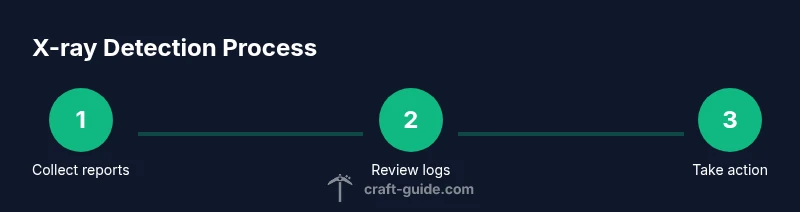
- 1
Collect initial reports
Gather player reports and timestamps related to suspected cheating. Verify the reports reference observable in-game behavior rather than rumors. This establishes a baseline for further investigation.
Tip: Document the exact time and the players involved; avoid premature conclusions. - 2
Review server logs
Scan movement, block-break, and inventory logs for anomalies such as rapid ore mining and unusual pathing. Look for patterns spanning multiple sessions and players to differentiate coincidence from intent.
Tip: Filter logs by ore-type distribution and proximity to known ore clusters. - 3
Cross-check with anti-cheat alerts
Correlate suspicious logs with any alerts from your anti-cheat system. A single alert is not proof; combine with in-game evidence before proceeding.
Tip: Note the confidence level of each alert and seek corroboration. - 4
Corroborate with in-world evidence
If possible, recreate the mining route in a controlled environment or review captured footage to confirm the pattern.
Tip: Avoid manipulating the world during verification; maintain integrity of data. - 5
Document findings
Create a clear, dated report summarizing indicators, evidence, and decisions. Include screenshots or video clips with explanations for each item.
Tip: Store the report with a hash or checksum to prevent tampering. - 6
Communicate with the player
Privately discuss the findings with the player, allowing them to respond. Maintain a respectful tone and explain potential outcomes.
Tip: Offer a chance to appeal and provide a transparent review timeline. - 7
Decide on action
Choose a penalty aligned with your rules and the offense’s severity. If evidence is inconclusive, escalate to a higher moderator rather than punishing.
Tip: Ensure consistency by applying the same rubric across cases. - 8
Audit your tools
Review anti-cheat settings and threshold values after investigations. Adjust to reduce false positives without weakening detection.
Tip: Document changes and rationales for future reference. - 9
Educate the community
Publish a concise update on cheating policies and detection practices. Encourage fair play and remind players of consequences.
Tip: Solicit feedback to improve detection methods while preserving trust. - 10
Refine procedures
Iterate on your investigative workflow to shorten response times and improve accuracy. Include a quarterly review of policy efficacy.
Tip: Create a standardized checklist for staff to follow.
People Also Ask
What is X-ray in Minecraft and why is it a problem?
X-ray is a cheat where players use mods to see ore through blocks, gaining an unfair mining advantage. It disrupts server balance, harms trust, and can drive players away. Addressing it requires evidence-based checks and transparent moderation.
X-ray is a cheat that lets players see ores through walls, which unbalances the game. It harms the server and players trust.
How can I detect X-ray without accusing players unfairly?
Combine multiple indicators from logs, anti-cheat alerts, and in-game behavior. Look for consistent patterns across sessions and corroborate with screenshots or video. Don’t act on a single odd event.
Use multiple clues from logs and evidence, not a single odd event.
What should I do if I’m unsure about evidence?
Escalate to a senior moderator for review and maintain private communication with the player. Preserve evidence and avoid public accusations until a final decision is made.
If unsure, escalate the case and keep it private until you’re sure.
What penalties are appropriate for confirmed X-ray use?
Penalties should align with your server rules and offense severity, typically ranging from warnings to temporary bans or resource resets. Apply consistently and document the rationale.
Penalties should match your rules and be applied consistently.
Can players be wrongly accused, and how do I prevent this?
Yes, false positives can occur. Build a robust evidence package and allow appeals. Transparent processes reduce disputes and protect your community.
False positives happen; always allow appeals and be transparent.
How often should I review cheating policies?
Review policies quarterly to incorporate new cheating methods, adjust thresholds, and communicate updates to players.
Review policies every few months to stay up-to-date.
Watch Video
The Essentials
- Identify multiple reliable indicators before acting
- Base conclusions on aggregated evidence, not a single anomaly
- Document every step to maintain fairness and transparency
- Regularly update detection tools and policies
- Communicate decisions clearly to maintain trust