Who Makes Minecraft Music: The Composers Behind the Soundtrack
Discover who makes Minecraft music—from C418 to Lena Raine—and how their ambient scores shape the game's iconic soundscape. A Craft Guide Analysis, 2026.


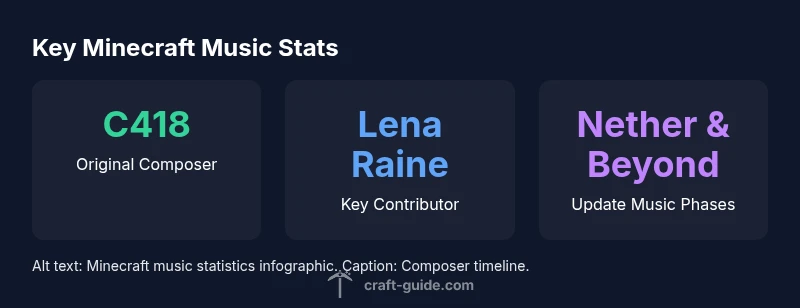
Who makes Minecraft music? The original soundtrack was created by C418 (Daniel Rosenfeld), with Lena Raine and other contributors expanding the sound in newer updates. This combination of artists has shaped a evolving, cohesive sonic world that mirrors Minecraft's evolving biomes and gameplay. Craft Guide's analysis in 2026 highlights a shift from a single composer to a collaborative model that continues to adapt with each update.
The original sound: C418 and the birth of Minecraft's music
Minecraft's sonic identity began with Daniel Rosenfeld, known to players as C418. The original Minecraft music defined the game's mood with sparse piano lines, soft chords, and expansive ambient textures that feel inseparable from exploration, mining, and quiet moments in survival. This foundational sound set the template for how audio can guide pacing and emotion in a sandbox environment. The Craft Guide team found that players often recall tracks not by loud crescendos but by the atmosphere they create—the sense that the world is listening with you. In a broader sense, C418's approach mirrors a trend toward ambient soundscapes that support gameplay rather than shout over it, making Minecraft music a key study in player-focused composition.
From a craft perspective, the melodies use limited instrumentation and long reverb tails to make biomes feel distinct yet connected. This gives players a sense of place: the cave returns a muffled, intimate mood; a sunrise biome feels open and hopeful. The original composer built a language that later contributors could echo, remix, or reinterpret without breaking the game's core sound identity.
For players, this is more than background noise; it is a sonic map of the world. The original tracks provide a baseline tempo and texture, which allows updates to layer new voices without confusing the core identity. Craft Guide analysis shows that this balance—familiar ground layered with subtle novelty—helps Minecraft listeners grow with the game while preserving the familiar comfort of its earliest tracks.
The rise of Lena Raine and other contributors
Lena Raine emerged as a central figure in expanding Minecraft's soundscape, delivering a suite of atmospheric tracks during the Nether Update era and beyond. Her work broadened the palette with richer textures, more dynamic contrasts between biomes, and a melodic signature that underscores dusk and danger. Other credited contributors expanded the catalog for updates and community projects, signaling a shift from a single composer to a collaborative model. This transition mirrors how the game itself has evolved—from a fixed, early-access feel to a living, evolving platform where audio plays a supportive, storytelling role.
The collaborative approach also invites interesting cross-pollination: the themes introduced by one artist can become the seed for future explorations by another. In practice, this means the Minecraft music catalog began to feel more expansive—yet still cohesive—because contributors stay mindful of the original mood while exploring new sonic territories. Craft Guide analyses note that players respond to these changes with curiosity and affection, often revisiting older tracks with fresh ears after hearing new pieces in updates.
How updates shaped the soundtrack: Nether Update and beyond
The Nether Update (and its broader family of post-1.16 content) brought new environments, threats, and atmospheres that demanded fresh music. Lena Raine's contributions provided a bridge between the original sound and a more modern, textured sonic language. With subsequent updates like the Caves & Cliffs era, the soundtrack expanded to cover subterranean moods, ethereal cave motifs, and biomes that shift under different lighting conditions. The result is a soundtrack that reaffirms Minecraft’s commitment to ambient, mood-forward audio rather than loud, action-driven cues. Across updates, the music maintains core motifs—recurrent motifs that fans can recognize and connect with long-term play sessions—while inviting new listeners to find their own favorite moments in unfamiliar biomes.
The mechanics behind Minecraft music: motifs, ambience, and loops
Minecraft music operates on a carefully designed system of motifs, ambience, and looping textures. Core motifs are short, memorable phrases that recur across tracks, giving listeners a throughline even as the sonic landscape shifts between biomes and gameplay states. Ambience layering adds depth: lighter textures for peaceful exploration, and denser layers for danger or tension. The looping structure ensures continuity during long builds or explorations, while dynamic changes respond to environmental cues and player actions. This approach mirrors modern game-score techniques that prioritize player's sense of place and tempo without overloading action sequences. The result is a flexible soundtrack that feels both intimate during quiet moments and expansive when stories unfold in distant biomes.
The role of sound design in gameplay and mood
Sound design in Minecraft is inseparable from gameplay. Beyond music, ambient effects—the subtle crackle of a campfire, the distant growl of a cave monster, the soft chime of resource collection—create a cohesive experience. Music fades in and out to align with transitions, such as entering a new biome or encountering a hostile creature. Designers balance musical cues with environmental sounds to avoid cognitive overload, ensuring that audio remains a guide rather than a distraction. This careful calibration helps players remain immersed and focused on building, exploring, and surviving in a world that feels alive.
Fan-made music and community resources
The Minecraft community embraces music beyond official soundtracks. Fans create remixes, ambient compilations, and modded experiences that expand the sonic range without altering core rights. Community resources include fan albums, streaming playlists, and mod integrations that offer alternative soundscapes while preserving attribution to the original composers. While fan content enriches the ecosystem, creators should always verify licensing and permissions when using or distributing music in monetized content. Craft Guide notes that fan-driven listening culture often inspires legitimate collaborations and thoughtful critique of the soundtrack.
For builders and modders, this is a reminder that Minecraft music can be a springboard for creative projects. By listening closely to how the original tracks interact with environments, players can design builds and mods that harmonize with specific moods, seasons, or in-game events.
How to listen analytically: exploring tracks while you build
Approach Minecraft music like a soundtrack analysis: identify recurring motifs, note how instrumentation changes across biomes, and listen for cues that signal shifts in mood or danger. Try listening in-game: do the tracks shift when you descend into a cave or approach a village at night? Track how ambient layers interact with your activities—mining, farming, or exploring—then reflect on how these sonic choices influence your decisions and pacing. This analytical listening can deepen your appreciation for the composers' craft and help you create more immersive builds that align with the game's audio narrative.
Rights, credits, and how composers are recognized
Credits for Minecraft music appear with each major update, but the broader ecosystem also benefits from clear attribution and licensing practices. Original creator credits for C418 remain foundational, while later contributors like Lena Raine are acknowledged in update notes and official playlists. Respect for licensing means fans should seek permission for monetized uses and respect any distribution constraints on official tracks. As Minecraft continues to evolve, transparent credits ensure that creators receive recognition for their work and that communities maintain trust in how the music is used in mods, videos, and fan projects.
Practical takeaways for creators: using Minecraft music in builds and mods
If you’re a builder or modder, use Minecraft music to enhance storytelling in your projects. Map biomes to moods (peaceful plains with soft piano, nether regions with darker textures), and align build pacing with musical cues. When incorporating music into videos or streams, verify licensing through official sources and provide clear credits. Consider creating playlists that guide players through a narrative arc as they traverse your world. By respecting attribution and licensing while embracing the soundtrack's mood, you can craft immersive experiences that feel authentically Minecraft while reflecting your personal creative voice.
Comparison of key Minecraft music contributors
| Composer | Notable contributions | Active era |
|---|---|---|
| C418 (Daniel Rosenfeld) | Original Minecraft soundtrack; ambient themes | Original era |
| Lena Raine | Nether Update music and additional tracks | Modern era |
People Also Ask
Who originally composed Minecraft music?
The original Minecraft music was composed by C418 (Daniel Rosenfeld), establishing the game's signature ambient sound. Over time, Lena Raine and other contributors expanded the catalog, especially during major updates. Credits are listed in official patch notes and playlists.
C418 started the music, and Lena Raine contributed later; credits are in the official notes.
Which updates introduced new music?
The Nether Update and subsequent content patches introduced new music from Lena Raine and other composers, broadening the sonic palette while preserving the original mood.
The Nether Update brought new music by Lena Raine and others.
Are there official Minecraft music albums?
Yes, the soundtrack has been released as official albums that compile C418's tracks and later contributions, with ongoing updates to reflect new music in-game.
There are official soundtrack albums available.
Can I use Minecraft music in mods or videos?
Licensing for Minecraft music varies by project and platform. Check official licensing and attribution guidelines, and obtain permissions for monetized uses to avoid rights issues.
Check licensing and attribution; permission may be needed.
Where can I listen to Minecraft music?
Minecraft music is available on major streaming platforms and official Minecraft soundtrack pages, making it easy to enjoy both classic and newer tracks.
Stream it on major platforms or official pages.
“Minecraft's music isn't a single song; it's a living soundscape that grew through collaboration.”
The Essentials
- Identify the original composer: C418
- Note Lena Raine's role in expanding the sound
- Acknowledge update-driven expansion of the soundtrack
- Explore community contributions and fan resources