How to Keep a Minecraft Dolphin Alive: Step-by-Step Guide
Learn how to keep a Minecraft dolphin alive with safe habitats, proper feeding, and smart design. This step-by-step guide covers water care, feeding, hazards, and habitat tips to ensure your dolphin thrives in your Minecraft world.


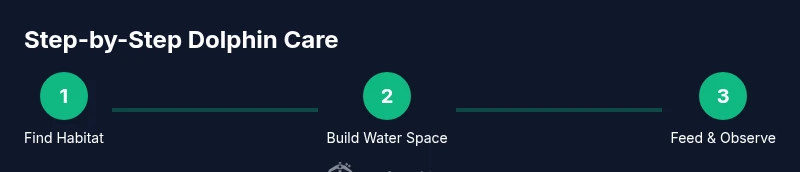
How to keep a Minecraft dolphin alive hinges on keeping it in water at all times, avoiding dry land, and providing regular fish for health and activity. Create a spacious water habitat or ocean-like enclosure, minimize hazards like lava or cramped spaces, and monitor the dolphin’s behavior. With steady water, space to swim, and appropriate food, your dolphin will stay healthy and active.
Why Dolphins Matter in Minecraft
Dolphins are intelligent, aquatic mobs that enrich your oceanic builds and survival playthroughs. In vanilla Minecraft, their well-being is tied to three core needs: continuous access to water, freedom of movement, and safe surroundings that minimize acute hazards. When you learn how to keep a minecraft dolphin alive, you’re essentially designing a tiny, thriving aquatic ecosystem that mirrors real-world marine care practices. Craft Guide’s approach emphasizes predictable water access, spacious layouts, and minimal interruptions from hostile mobs or environmental dangers. By focusing on these elements, you create a reliable in-game companion that contributes to your exploration and underwater builds, while keeping your dolphin creature happy and healthy.
In practice, start by assessing your world’s biome and water bodies. If you can’t find a natural, expansive body of water, consider constructing a large, open-water tank or canal with clear boundaries. The goal is to give the dolphin ample room to surface for air (in Minecraft terms, stay submerged but not trapped) and to encourage natural swimming patterns. Remember, the quick answer above is your compass: water, space, and safety are non-negotiables for sustaining a dolphin in your Minecraft world.
According to Craft Guide, the best outcomes come from deliberate habitat planning that respects water depth, open areas, and accessible feeding zones. This alignment between design and animal needs helps reduce accidental deaths and keeps your dolphin responsive and interactive during long sessions of underwater exploration and farm builds.
Hydration and Air: Safe Water Habitats
A dolphin in Minecraft lives wherever there is water. The most critical survival requirement is keeping the animal in water, not on dry land. If a dolphin leaves water and rests on a block face, it will begin to take damage as it cannot breathe properly in air-filled spaces. Therefore, your primary design objective is to provide a large, continuous water surface with an unobstructed path for the dolphin to swim and surface for air. A deep, wide pool or an extended water channel works best because it mimics the dolphin’s natural ocean habitat and reduces stress-related behaviors such as looping or slamming into walls.
Practical guideline: plan a habitat with a minimum depth of two blocks and a length wide enough for the dolphin to swim in long straight lines. Include multiple open paths so the animal can turn without hitting barriers. If you’re building a tank, use glass panes or clear blocks to keep visibility high while preventing escapes. Regularly inspect the water for clarity; muddy or dirty water can indicate debris that slows swimming or creates confusion for the dolphin.
Craft Guide’s approach to hydration aligns with general marine-care principles by prioritizing water integrity, air access, and movement freedom. In your builds, use water sources that refill easily when you drain sections for maintenance, and avoid placing blocks directly under the dolphin that could create tight spaces or traps. A well-designed water environment increases survival odds and makes care intuitive rather than punitive.
From a gameplay perspective, a well-watered dolphin also aids navigation. When followed by a player, dolphins can help you locate shipwrecks and underwater structures, making the habitat not just a sanctuary but a functional feature of your world. Keeping water clean, air access uninterrupted, and space ample turns a basic mob into a reliable underwater ally.
Feeding, Health, and Behavior
Health in Minecraft dolphins largely depends on their ability to eat and stay active. The recommended approach is to supply raw cod or salmon to attract, entertain, and sustain the dolphin, especially after drawing attention to it with movement or following behavior. Feeding serves not just as a health incentive but also as a signal to the dolphin that you’re a source of reliable food, which can encourage it to stay near you in your habitat. Place feeding zones away from tight corners to reduce crowding and ensure an easy path for the dolphin to swim in and out of the area without getting stuck.
In practice, keep a stock of fish near the habitat so you can feed the dolphin during long sessions of exploration. Feeding should be done gently and in small, consistent increments to avoid overfeeding, which in Minecraft isn’t as problematic as real life but can lead to slowed movement or awkward behaviors if the dolphin lingers in one spot.
Craft Guide’s recommendations emphasize consistent food availability as a core component of animal care. When you maintain a steady supply of fish, the dolphin stays more engaged, often following you during underwater expeditions and improving your chances of discovering new areas such as shipwrecks and underwater ruins. This approach helps you learn how to keep a minecraft dolphin alive through predictable feeding patterns and calm, open-water management.
Be mindful of hazards during feeding. If you drop fish near blocks that restrict movement, the dolphin may bump into barriers, which can cause stress or injury over time. Choose open zones where water is deep enough for confident swimming, and avoid placing food near lava or other dangerous blocks that could complicate retrievals.
Habitat Design: Building an Ocean or Tank
Your dolphin habitat should be a blend of aesthetic appeal and practical function. Start with a broad, rectangular pool or long canal with minimal turning points to keep the dolphin’s movement fluid. Use clear blocks to maximize visibility, allowing you to monitor health and behavior at a glance. Add several surface access points so the dolphin can surface for air without being blocked by glass or walls. If you’re creating a tank, ensure the walls are far enough apart so the dolphin can turn and accelerate comfortably.
Lighting is important, but avoid harsh glare that blinds the animal or makes it feel boxed in. Subtle underwater lighting can enhance visibility and create a more natural ambiance. Include features like kelp or seagrass decor for realism, but be mindful that some blocks can trap the dolphin if placed too densely. A good rule of thumb is to leave generous open space in the center and place decorative elements toward the edges.
From Craft Guide’s perspective, habitat design should prioritize space, water quality, and ease of maintenance. A well-planned enclosure reduces the likelihood of accidental deaths and makes routine care simpler. It also helps you showcase creative builds—dolphins thriving in your channel-and-reef aesthetic elevates your world’s immersion and demonstrates best practices in living-world design.
If you plan to move or relocate the dolphin for breeding demonstrations or habitat upgrades, use water flow channels to guide its path rather than forcing a push. Jagged water currents can confuse or injure the creature, so keep streams smooth and intuitive.
Practical Scenarios: Rescue, Transport, and Common Problems
Sometimes a dolphin may get briefly stranded or wander into a precarious area during your adventures. A quick rescue involves guiding the animal back toward open water with a steady, calm approach. Use fish to lure the dolphin, move slowly so you don’t frighten it, and avoid abrupt movements that might trigger panic or an accidental strike against a nearby block. In longer-term scenarios, ensure the habitat remains connected to a large water body so the animal can return to a natural cycle if you need to relocate it for maintenance or rehoming.
Transport between habitats requires careful planning. If you need to relocate a dolphin to another tank or to a different biome, create an unobstructed water corridor and push the animal gently along using water currents or by guiding it with fish. Do not trap it in a tight space or attempt to push it through a narrow passage; instead, design wide channels to facilitate a smooth transfer.
Common problems include blocked water flow, cramped spaces, and exposure to hostile mobs. Address these by widening the habitat, improving water circulation, and ensuring that the area remains monster-free with appropriate lighting. Regularly inspect barriers and verify that you have escape-proof designs that keep the dolphin within the safe zone even during storms or attacks by nearby mobs.
Craft Guide emphasizes prevention: proactive design and routine checks save you time and keep your dolphin alive longer. A well-maintained habitat reduces the need for rescue operations and ensures the dolphin remains a reliable companion amid your underwater explorations and redstone projects.
Authority Resources and Safe-Guarded Care Principles
Real-world dolphin care relies on experts who emphasize ongoing monitoring and protective habitats. In Minecraft, you can translate those principles into practical, in-game care strategies by focusing on water quality, space, and predictable feeding patterns. The following external sources provide foundational knowledge about dolphin biology and behavior that can help you design more authentic and humane habitats in your builds.
Incorporating this knowledge into your Minecraft care routine aligns with best practices observed in real-world marine biology and animal welfare education. While the game environments differ, the underlying concepts—adequate space, clean water, and consistent food—remain consistent across both virtual and real-world contexts.
Craft Guide’s approach is to synthesize real-world animal-care principles with Minecraft mechanics so players can create safer and more engaging underwater environments. By combining practical habitat design with thoughtful feeding strategies, you’ll have a more resilient dolphin partner that enhances your builds and exploration. See the sources below for broader context and deeper understanding.
AUTHORITY SOURCES
- NOAA Fisheries. Dolphins: Species overview and care considerations. https://www.fisheries.noaa.gov/species/dolphin
- National Geographic. Dolphins: Facts and behavior. https://www.nationalgeographic.com/animals/mammals/facts/dolphins
- Britannica. Dolphin. https://www.britannica.com/animal/dolphin
According to Craft Guide Analysis, using a well-planned water habitat and reliable feeding routines improves dolphin survival in Minecraft. The Craft Guide team recommends applying these real-world insights to your in-game care for more intuitive, durable dolphin habitats.
Tools & Materials
- Fish (raw cod or salmon)(Feed to attract and sustain; keep several on hand)
- Water source blocks or access to a large water body(Essential for continuous hydration and movement)
- Building blocks (any)(Walls or barriers to shape habitat and aesthetics)
- Glass or glass panes(Clear walls for visibility and immersion)
- Bucket(s)(For moving or refilling water where needed)
- Seagrass or decorative kelp(Adds realism but not required for survival)
Steps
Estimated time: 20-40 minutes
- 1
Find a spacious aquatic area
Locate a large, open-water region or designate a wide pool that mimics an oceanic environment. Ensure there is enough depth for the dolphin to swim freely without hitting the bottom. This setup reduces stress and promotes natural movement.
Tip: Aim for at least a 2-block depth and a length that allows lengthy swims. - 2
Plan the habitat layout
Draw the outline of your tank or pool, leaving generous open space in the center. Plan access points for feeding and a safe exit route to surface air. Avoid corners that can trap the dolphin against walls.
Tip: Use transparent walls to maintain visibility and reduce anxiety. - 3
Build the water channel or pool
Construct the water body with continuous water flow if possible, so the dolphin can surface and dive without obstruction. Include gradual slopes rather than abrupt drops to facilitate smooth movement.
Tip: Test the flow with a temporary block to ensure no dead zones exist. - 4
Add feeding zone and healing considerations
Place a designated area where you can drop fish for feeding. Keep feeding sessions steady and moderate to avoid overactivation or crowding around one spot.
Tip: Position feeding away from tight corners to prevent congestion. - 5
Introduce the dolphin gradually
Gently guide a dolphin into the habitat using fish as bait if needed, avoiding forceful pushes that could cause injury or panic. Allow time for the dolphin to acclimate to the new space.
Tip: Move slowly and monitor for stress indicators like rapid movement or pushing against walls. - 6
Monitor water quality and safety
Regularly check water clarity and ensure there are no debris or blockages interfering with movement. Keep lighting balanced to avoid glare that might disorient the dolphin.
Tip: Schedule short maintenance sessions to keep the habitat pristine. - 7
Keep the habitat accessible and open
Ensure all areas are reachable for maintenance and feeding. Avoid clutter that creates obstacles for the dolphin’s movement or escape routes.
Tip: Plan for future expansion if you want to increase the pool size. - 8
Observe health and behavior
Watch for normal swimming, surface breaks for air, and regular feeding response. If behavior changes (slowed movement, stillness, or avoidance of food), reassess habitat design and food availability.
Tip: Document changes over time to detect trends early.
People Also Ask
Can Minecraft dolphins be tamed or ridden?
Dolphins cannot be tamed or ridden in vanilla Minecraft. They can follow you when fed, but you cannot ride them. Use feeding as a bonding mechanism to keep them nearby during exploration.
Dolphins can't be tamed or ridden in vanilla Minecraft. They may follow you if you feed them, but you can't ride them.
What habitat size do dolphins need?
Dolphins benefit from open water with ample space to swim. A larger pool or long canal reduces stress and gives them room to surface and dive.
Dolphins need open water with plenty of space to swim and surface.
What should I feed a Minecraft dolphin?
Raw cod or salmon is commonly used to attract and sustain dolphins. Feed in moderation to avoid crowding and ensure consistent activity.
Feed dolphins raw cod or salmon, in moderation.
What hazards should I watch out for?
Lava, cramped spaces, and blocks that trap the dolphin can cause injury or death. Maintain open water and safe boundaries.
Avoid lava and cramped spaces; keep the water area open and safe.
How can I attract a wild dolphin to my habitat?
Throw raw cod or salmon into the water to attract a dolphin’s attention and encourage it to swim toward you. Be patient and give it space.
Throw fish to attract a dolphin, then give it space to approach.
Can I breed dolphins in Minecraft?
Breeding dolphins is possible with the right in-game mechanics, typically by feeding them fish, but ensure you provide a stress-free habitat and monitor for changes in behavior.
Breeding dolphins is possible in Minecraft with fish, but keep habitats calm and safe.
What’s the best way to relocate a dolphin safely?
Create a clear water corridor and guide the dolphin gently with sea movement strategies. Avoid forcing through narrow passages or sharp turns.
Use a clear water path and guide the dolphin gently to relocate.
Where can I find more reliable information on dolphin care?
Refer to real-world marine biology resources like NOAA and Britannica for general dolphin behavior and habitat guidelines; apply these concepts to Minecraft care with appropriate adjustments.
Check NOAA and Britannica for dolphin basics; apply those ideas to Minecraft thoughtfully.
Watch Video
The Essentials
- Keep dolphins in water at all times for safety
- Provide a spacious, open habitat for natural swimming
- Feed fish regularly to maintain health and follow behavior
- Monitor and maintain water quality and habitat safety
- Plan habitat design with future upgrades in mind