Minecraft All Flowers: A Practical Guide for Builders
A comprehensive guide to every flower in Minecraft, exploring types, biomes, dye applications, farming tips, and build ideas for expressive landscaping.


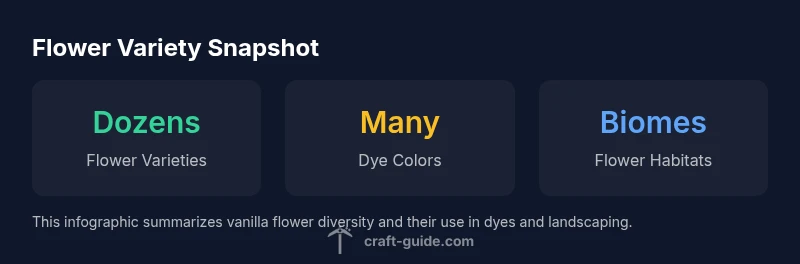
Minecraft features a broad collection of flowers that decorate biomes, craft dyes, and enhance builds. In vanilla gameplay, you’ll encounter dozens of flower varieties, from common dandelions and poppies to tulips, azure bluet, cornflowers, and peonies. Each flower yields dye colors and can inspire different styles for landscaping, gardens, and decorative builds.
What counts as a flower in Minecraft
In Minecraft, a flower is any decorative plant item that can be collected from grass blocks, meadows, forests, and other biomes, then replanted or used for dye. For builders pursuing a theme around minecraft all flowers, this category includes common wildflowers as well as rarer blooms. Flowers vary by color and rarity, and each type contributes a distinct mood to your garden, park, or village. Understanding what counts as a flower helps with planning landscaping, quest design, and pixel art scenes.
Flowers also influence your builds beyond color. They can shape pathways, define biomes in a themed map, and provide a sense of place—whether you want a tranquil meadow or a sunlit garden. The key is to know which flowers exist, how they spawn, and how they interact with other decorative blocks like planters, pots, and banners. This knowledge supports practical decorating tasks as well as ambitious aesthetic projects.
The full roster of minecraft all flowers (vanilla)
Vanilla Minecraft offers a broad roster of flowers you can encounter in the world. Some are ubiquitous, others rarer, depending on biome and light. Common examples include dandelions and poppies, which are easy to collect, as well as tulips in a range of colors. You’ll also find azure bluet, cornflowers, blue orchids, and more ornamental blooms like peonies and lilies of the valley.
Together, these flowers provide a palette for color theory in both natural and built environments. When planning a garden, you can mix tall sunflowers with shorter daisies and blobs of tulips to create focal points or soft edges. The variety also makes it practical to design color-coded zones, collectible routes, or themed parks without relying on blocks alone.
Finding and harvesting minecraft all flowers by biome
Flowers are distributed across several biomes, with plains and meadows often offering the widest selection, followed by forests, jungles, and swamps for oddities like certain orchids. When you travel, keep an eye on grassy patches—the grass blocks themselves can reveal what you might collect nearby. Harvesting leaves you with seeds that you can replant, while also leaving space for more flowers to spawn after time. If you’re after rare varieties, explore edge biomes and higher-light areas where flowering plants cluster near water or along paths.
A practical approach is to map out biomes you’ll frequent and note which flowers each yields. This helps you plan long-term landscaping goals or set seasonal decorating schemes for in-game events. Remember that some flowers appear only during certain weather or seasons in-game, so timing can affect your haul.
Dye crafting and uses for flowers
Flowers are a core source of dyes, allowing you to color wool, glass, banners, leather armor, and more. The dye colors you obtain depend on the specific flower type, and mixing dyes in the crafting grid enables even more nuanced palettes for your builds. In addition to dyes, flowers contribute to ambience—carefully placed blooms can transform a dull courtyard into a welcoming garden or a bustling village market.
Beyond aesthetic value, you can use flowers to customize signage, candles, and decorative lamps in themed builds. For players who enjoy pixel art, flowers provide reliable color blocks for shading and detailing. Finally, potted flowers offer a compact option for indoor decoration when space is limited, keeping your builds lively without sacrificing floor area.
Flower farming and automation tips
Farming flowers is straightforward: create a patch of grass or dirt with lights, place the flowers, and harvest as needed. For larger projects, consider a simple automation setup using grass blocks separated by fences to prevent mob intrusion, with a hopper line feeding a storage chest. Replanting is essential—don’t let your supply dwindle, especially if you’re building large decorative gardens.
Another practical approach is to seed a meadow in your base area and propagate flowers with bone meal during calm days in-game. Regularly rotate crops and flowers to maintain color variety, ensuring you always have something fresh to display. If you’re targeting mixed biomes, set aside separate plots to maintain distinct color schemes and seasonal vibes across your world.
Design ideas and aesthetic builds using flowers
Flowers can define a wide range of design motifs, from cottage gardens to modern courtyards. Try a layered planting scheme with tall sunflowers at the back, midsize blooms in the middle, and clusters of small flowers along walkways. Use pots and planters to add height and texture to indoor spaces. For pathways, a mix of daisies and tulips creates soft edges, while strategically placed sunflowers act as natural wayfinding cues.
If you’re building a village, consider flower borders along roads as a unifying theme. For fantasy builds, pair colors with lighting blocks or colored glass to craft mood lighting that shifts with the time of day. The key is experimenting with color balance, scale, and density to avoid visual clutter while preserving a lively, natural feel.
Modded flowers and texture packs: expanding the palette
Mods and texture packs expand the world of minecraft all flowers beyond vanilla limits. Texture packs can give each bloom a new look—more saturated tones, unique patterns, or even entirely new flower variants. Mods may introduce additional species, spawn rules, or dye interactions that differ from base-game behavior.
When incorporating mods or packs, ensure compatibility with your game version and any other installed mods. Consider starting with a small patch of new flowers to study yields, growth behavior, and aesthetic impact before committing to a large landscaping project. This approach helps you maintain balance between vanilla feel and enhanced creativity.
Representative examples from the vanilla flower roster
| Flower Type | Primary Dye Color | Notes |
|---|---|---|
| Dandelion | Yellow | Common across plains |
| Poppy | Red | Widely found in fields |
| Tulip (variants) | Multiple colors | Red, orange, pink, white variants |
| Cornflower | Light Blue | Delicate meadow flower |
| Oxeye Daisy | White | Common in meadows |
People Also Ask
How many flowers exist in Minecraft as of 2026?
There are many flower types across vanilla, with dozens available depending on version. The exact roster grows with updates, but you can rely on a broad palette for most builds.
There are many flowers, and the list grows with each update.
How do I dye items with flowers?
Flowers can be exchanged for dye in the crafting grid. Place the desired flower in the grid to obtain its dye color, then apply it to wool, glass, banners, and other dyeable items.
Put the flower in the crafting grid to get dye, then color your items.
Do flowers spawn in all biomes?
No. Different flowers prefer specific biomes. Plains, forests, and meadows typically offer the widest variety, while rare blooms may appear only in certain environments.
Not every biome has every flower; some blooms are rarer depending on where you are.
Can I breed flowers in Minecraft?
Flowers do not breed in vanilla Minecraft. You can collect and replant them, expanding your garden by transplanting cuttings and adding more plantable areas.
There’s no breeding for flowers; just collect and replant to grow your garden.
Are there mods or texture packs that add more flowers?
Yes. Mods and texture packs can introduce new flower varieties, spawn rules, and dye dynamics, enriching the color options for builders and landscapers.
Mods and texture packs add new flowers and colors to your world.
Where can I find rare flowers for standout builds?
Rare flowers appear in specific biomes or at certain elevations. Explore edge biomes, higher grasslands, and biomes with unique climate features to locate standout blooms.
Look in special biomes and edges of biomes for rarer blooms.
“Flowers are more than decoration in Minecraft — they’re a practical resource for dyes and a key tool for elevating builds with color and mood.”
The Essentials
- Master minecraft all flowers to unlock practical dye options for builds
- Use flowers to create vibrant, seasonally themed landscapes
- Identify plains/forest biomes for the broadest variety
- Explore modded options to expand your palette
- Plan decors with color balance to avoid visual overload