Japan Minecraft House: A Traditional-Inspired Build Guide
Learn how to build a Japan-inspired Minecraft house with traditional aesthetics, simple lines, and careful material choices. This guide covers layout, palette, roof design, and finishing touches.


You will learn to build a Japan-inspired Minecraft house with authentic proportions, natural materials, and a serene, minimalist vibe. The guide covers layout, palette, roof design, and decorative touches suitable for both creative and survival play. By the end, you’ll have a ready-to-build plan and a reference layout for your world.
Overview: What makes a japan minecraft house shine
A japan minecraft house thrives on balance, simplicity, and a natural material palette that echoes real-world Japanese architecture. The goal is to translate traditional aesthetics into Minecraft blocks while preserving proportion and harmony with the site. For many players, a japan minecraft house is about translating a real-world aesthetic into Minecraft blocks. This means avoiding excessive ornamentation and instead focusing on clean lines, respectful spacing, and thoughtful lighting. Craft Guide emphasizes that authentic builds start with a clear vision and a restrained color palette. Begin with a rough footprint, then translate that footprint into a compact, livable layout with a calm silhouette that respects the terrain. The result should feel serene, effortless, and unmistakably Japanese in character.
Palette and proportions: the foundation of realism
A successful japan minecraft house uses a limited palette to evoke quiet elegance. Prefer natural woods like light oak and warm browns for framing, with white plaster-like blocks or smooth stone for walls. The roof is often a dark, weathered tone that anchors the skyline. Proportions matter: aim for modest width with longer eaves and a gently sloped roof to create a balanced composition. Consistency is key; reuse architectural motifs (genkan entry, sliding doors, tatami-inspired spaces) across rooms to reinforce harmony. The Craft Guide team notes that repeating motifs help players appreciate rhythm and flow in a small footprint. Keep windows modest and place them to frame carefully composed exterior views—the outside should feel as calm as the inside.
Planning the layout: zones that breathe
Think of the house as a sequence of connected spaces rather than a single box. Start with a genkan (entry) area to welcome guests and separate interior from exterior. Behind the entry, place a central living alcove with low seating and a view toward a courtyard or garden. The kitchen and dining space should stay compact and functional, while the private rooms can be arranged around a quiet interior hall. A small courtyard or nairomari-style garden can act as a visual centerpiece. In a japan minecraft house, flow is more important than sprawling square footage. Use clear sightlines and align walls along a central axis to reinforce a sense of order and calm. This structural discipline makes the build feel intentional rather than ad hoc.
Roof design: creating a serene silhouette
Roof choices define the silhouette and mood of a japan minecraft house. A gently sloped gable or irimoya-style roof (hip-and-gable) is common, with overhanging eaves to shelter walls and emphasize horizontality. In Minecraft, simulate that effect with layered slabs and carefully chosen block tones to imply complexity without bulk. Darker roof blocks—such as dark oak or charcoal-colored variants—contrast with lighter walls to create a balanced crown. Ensure the roof lines align with interior spaces and doorways so that the exterior reads as a single, cohesive shape. Remember that in Japanese aesthetics, roof edges should feel deliberate rather than heavy. The goal is to achieve a calm, clean line that signals the house’s purpose and its relation to the landscape.
Exterior detailing: gates, lanterns, and garden paths
Exterior touches are the punctuation marks of a japanese minecraft house. A small torii-inspired gateway or gate can mark the entrance without overpowering the facade. Use stone lanterns or wooden lanterns to light pathways along stepping-stone paths. Add a low stone wall or bamboo edging to define the garden without obstructing the view. Stone paths should lead to a modest veranda or engawa, an outer hallway that blurs the line between indoors and outdoors. Trees, shrubs, and a simple koi-pond vignette lend a sense of tranquility. Keep detailing restrained; a few well-placed blocks create stronger effects than a cluttered facade. By balancing exterior elements, you maintain the home’s serenity and ensure it sits well within its environment.
Interior design: tatami-inspired rooms and minimalism
Inside, aim for quiet rooms with low furniture inspired by tatami layouts. Use alternating light and dark planks to evoke tatami mats and soft dividers to create flexible spaces. Sliding doors or shoji-inspired panels can partition spaces while preserving light and openness. Furniture should be minimal: low tables, cushions, and simple storage that blends with walls rather than protruding. Lighting should be soft and indirect—paper lanterns or glowstone behind screens create warm, diffuse illumination. The color palette stays muted, leaning on whites, creams, and light browns. A successful japan minecraft house interior emphasizes usability and calm, with each object serving a purpose and contributing to the overall balance.
Landscaping and surroundings: bamboo, rocks, and water features
A thoughtful garden completes a japan minecraft house. Plant bamboo stalks or small trees to echo a Japanese garden, and place stepping stones across a shallow stream or koi-pond edge. Rocks and gravel create natural textures along the path and around the foundation. Water features should be understated, with reflections enhancing the tranquil mood. If space allows, a small rock garden or mossy stone patches offer texture without clutter. The landscape should read as an extension of the home, not a separate backdrop. Thoughtful landscaping anchors the build in a realistic setting and invites deeper exploration and enjoyment.
Common mistakes and how to avoid them
One frequent error is overloading walls with color or texture, which breaks the calm vibe. Another is neglecting lighting, causing dim corners that feel off. Ensure roof lines remain uncluttered, and keep doorways accessible and well-proportioned. Terrain shaping is often overlooked; building on flat ground is easier, but integrating the house with natural slopes or a gentle hill adds character. Finally, avoid mismatched furniture styles; stay on-brand with low, minimalist pieces. If you follow these guardrails, your japan minecraft house can achieve a cohesive, elegant presence that feels both authentic and playable.
Adaptations for different playstyles: survival vs creative
In creative mode, you have freedom to experiment with scale, materials, and landscaping. A japan minecraft house benefits from a disciplined scheme; if you want a larger home, scale proportionally to preserve harmony. In survival, prioritize resource efficiency: reuse logs and planks, and design rooflines that can be built with readily available blocks. Consider building on a small plateau to protect the garden from wandering mobs, and use fencing and lanterns to mark paths for night-time navigation. Both modes share the same aesthetic discipline: simplicity, balance, and purposeful design. Your finished build should feel calm, not crowded, and should invite you to explore more.
Step-by-step example build plan
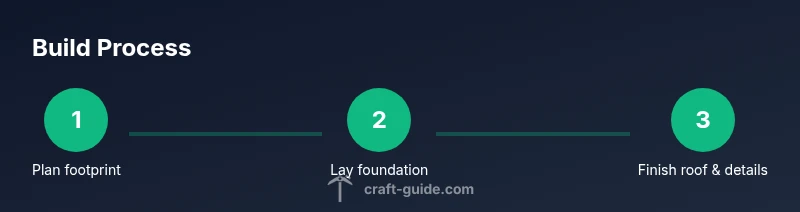
To help you actualize this concept, follow a practical plan that translates the ideas above into a repeatable workflow. Start with a 10x12 footprint for a compact house, then expand by modules if desired. Lay a stone foundation, frame walls with light wood, and install white plaster between timber lines. Add a gabled roof with layered eaves, and place a genkan at the entrance. Create an engawa balcony along the living room with a view of a small courtyard. Finish with a minimal interior and a tranquil garden outside. This plan keeps you on track while allowing room for personal touches and adjustments to your terrain.
A quick reference build checklist
- Define the footprint and axis alignment
- Choose a restrained color palette and materials
- Plan a genkan, engawa, and tatami-inspired spaces
- Design a low-slope roof with deep eaves
- Add lanterns and a simple garden with bamboo and stones
- Keep interior clutter to a minimum for a serene feel
Tools & Materials
- Wood logs (oak or dark-toned)(Primary framing material for a light-to-mid-tone look)
- Wood planks (oak, spruce, or dark oak)(Walls, flooring, and trim; use 2-3 harmonizing tones)
- Stone bricks or smooth stone(Foundation, pathways, and edging)
- White plaster-like blocks (white concrete or quartz)(Clean walls that resemble plaster)
- Glass panes(Natural light and window detailing)
- Slabs and stairs (wood and stone variants)(Create level transitions and roof edges)
- Lanterns or glowstone(Soft interior and exterior lighting)
- Bamboo or decorative foliage(Accent greenery and garden cues)
Steps
Estimated time: Total build time: 6-9 hours
- 1
Plan the footprint and axis
Mark a rectangular footprint aligned to the world’s cardinal directions. Sketch the genkan entry, living area, and private rooms on paper or in-game with temporary blocks to visualize flow. This step sets proportions and ensures the final build reads clearly from outside.
Tip: Use a central axis to guide wall placement and window alignment. - 2
Lay the foundation
Dig or level a shallow base, place stone bricks for the foundation edge, and fill interior with compacted blocks. Elevate the floor slightly to separate indoors from the ground, which helps create the sense of depth typical in traditional homes.
Tip: Keep foundation corners square; symmetry is crucial for balance. - 3
Frame the walls with timber
Construct a timber frame using light wood and fill between with white plaster blocks. Alternate vertical and horizontal timber placements to mimic traditional infill patterns. Maintain consistent spacing to avoid choppy lines.
Tip: Test different wood textures side-by-side before committing. - 4
Install the main doors and screens
Add sliding doors or shoji-inspired panels to partition rooms while preserving open light. Ensure tracks and gaps are narrow to maintain the minimalist feel and avoid bulky doors.
Tip: Position doors to frame the courtyard visually from the living space. - 5
Build the roof with elegant eaves
Create a low-slope roof with layered slabs or stairs. Extend the eaves beyond walls to produce shade and a signature silhouette. Match the roof color to the overall palette to keep harmony.
Tip: Check roof overhangs from multiple angles to ensure clean outlines. - 6
Detail the exterior with gates and lanterns
Place a small gate or torii-like entrance and line walkways with lanterns. Garden borders can use low walls and rocks to anchor the landscape without overpowering the house.
Tip: Keep lighting soft and spaced to avoid harsh glare at night. - 7
Create tatami-inspired interiors
Design rooms with tatami-like layouts using alternating planks. Establish fixed zones for living, dining, and sleeping with low furniture and subtle dividers.
Tip: Use color blocks to emphasize tatami rhythm without too many patterns. - 8
Landscape the surrounding garden
Position bamboo, stones, and a small water feature to create a tranquil outdoor scene. Pathways should lead the eye toward the entrance and courtyard.
Tip: Consider a micro-chasm as a visual focal point for photos and screenshots. - 9
Lighting and atmosphere
Place lanterns to create warm pools of light and prevent dark corners that feel unnatural. Use hidden light sources to preserve clean lines and avoid glare.
Tip: Layer light sources at different heights for depth. - 10
Iterate and refine
Walk around the build at ground level and from above to spot awkward angles. Adjust wall thickness, roof edge, and garden details to improve proportion and flow.
Tip: Take screenshots from multiple angles to guide future tweaks.
People Also Ask
What defines a Japan-inspired Minecraft house?
A Japan-inspired build emphasizes simple geometry, a restrained color palette, natural materials, and a thoughtful siting within the landscape. It blends form and function while honoring traditional design principles.
It uses simple shapes, natural materials, and careful placement to create a calm, authentic feel.
Which blocks create a traditional look?
White plaster-like blocks for walls, light timber for framing, dark roof materials, and stone or brick for foundations and pathways form a traditional base. Keep textures subtle and avoid neon colors.
White plaster walls, light wood framing, a dark roof, and stone for the base give a traditional look.
How do you design the roof in Minecraft?
Aim for a gable or irimoya-style roof with layered eaves. Use darker blocks for the roof and ensure the lines read cleanly from ground level.
Think layered eaves and a gently sloped roof that reads well from below.
Is this build survival-friendly?
Yes. It’s feasible in survival with practical block choices and a compact footprint. Prioritize easy-to-obtain materials and accessible pathways.
Absolutely—just plan for resource-friendly materials and simple paths.
How can I customize for different sizes?
Scale the footprint proportionally to preserve rhythm; use multiples of four blocks to maintain symmetry and balance.
If you grow the house, scale evenly to keep the calm rhythm.
What are common mistakes to avoid?
Overusing color, neglecting lighting, and ignoring terrain integration. Keep features minimal and ensure lighting is soft and even.
Don’t overdo color, light well, and blend the terrain with the house.
Watch Video
The Essentials
- Plan a compact footprint with axis-aligned walls
- Use a restrained palette for harmony
- Create a genkan and engawa for authentic flow
- Design a low-slope roof with overhangs
- Finish with a tranquil garden to anchor the build